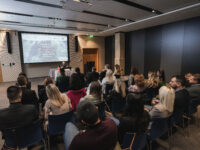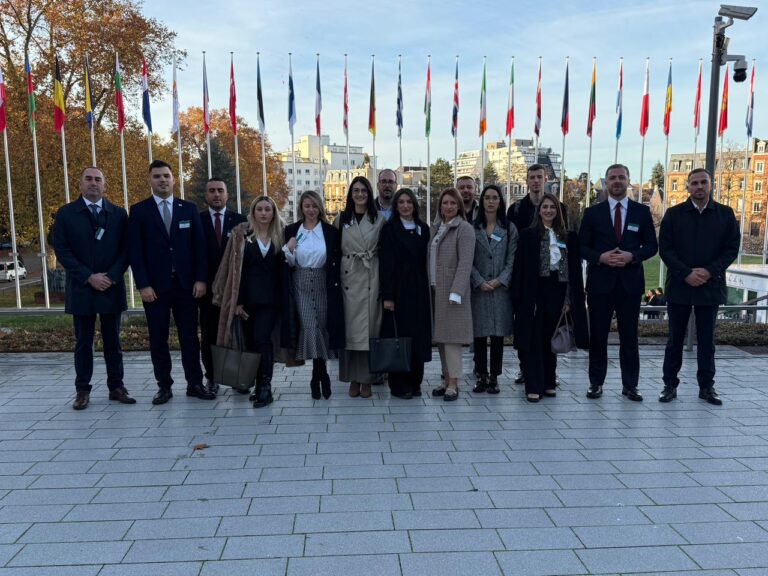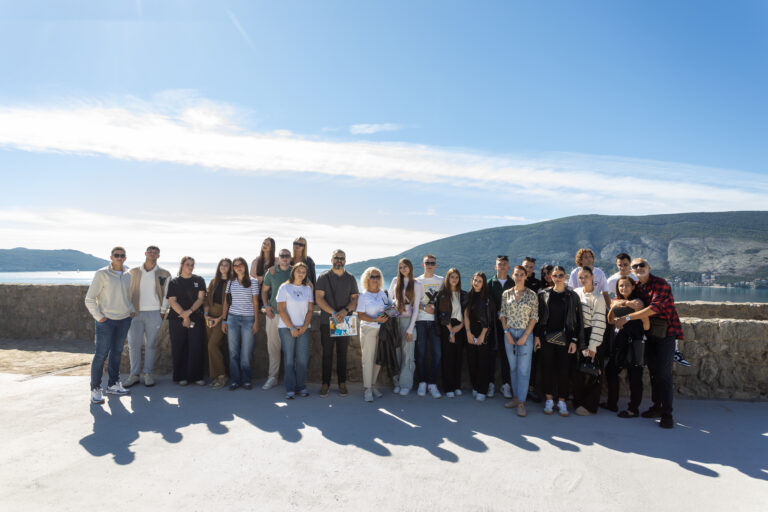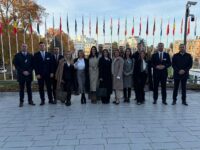
Improving access to education and improving political participation, including the reduction of the electoral census for minority communities, are the basic prerequisites for the successful integration of Roma and Egyptians. This was concluded at Module II of the XXIII generation of the School of Political Studies, which was held from November 28 to 30 in the “Budva” hotel, in Budva, organized by the Civic Alliance.

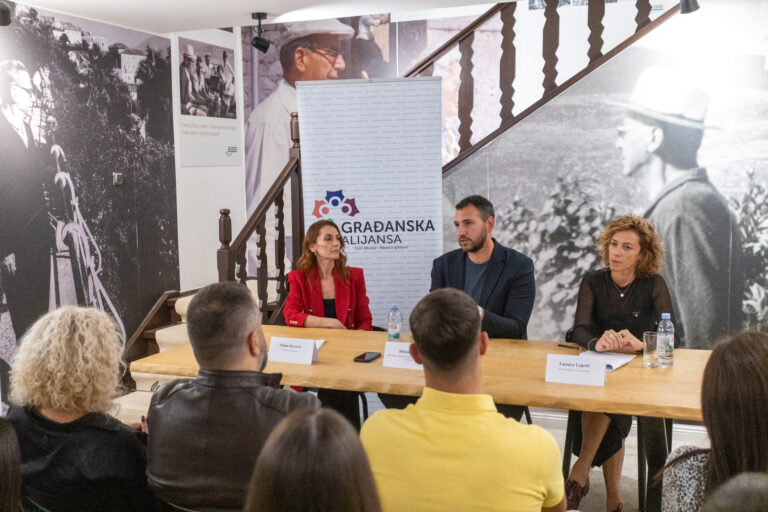
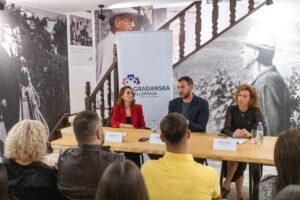
The module entitled “Integration and identity of the RE community in contemporary Montenegrin society” was opened by the Program Director of Civic Alliance, Milan Radović, who emphasized the importance of the active participation of representatives of the Roma community, stressing that the Civic Alliance works daily with members of the community, providing them with free legal assistance and including them in various educational programs. Also, Mensur Šalaj, Sokolj Beganaj, and Bernd Burvic addressed the participants of the School of Political Studies at the opening of the II module, who shared their experiences and perspectives on the position of the Roma and Egyptian community in Montenegro.
Mensur Šaljaj, President of the Roma Council, in his speech highlighted the main challenges that the Roma and Egyptian community in Montenegro still faces, including insufficient political representation, economic difficulties, and ongoing discrimination. He especially emphasized that the existing electoral census of 0.7% prevents the entry of a Roma representative into the Parliament, although this is an obligation indicated by the European Union. Despite some progress in the field of education, poverty, insufficient institutional support, and cases of public discrimination significantly slow down the full process of inclusion of Roma and Egyptians. He also pointed to the importance of further strengthening educational programs, especially through the work of mediators and improving the early socialization of children, which would represent important steps towards a real improvement in the position of the Roma and Egyptian community.

The Head of the Department for the Improvement and Protection of the Rights of Roma and Egyptians in the Ministry of Human and Minority Rights, Sokolj Beganaj, stated that Montenegro derives its strength from multi-ethnicity, tolerance and mutual respect. He also said that Roma integration is not a matter of grace or power, but a matter of justice and respect for basic human rights, and a civilizing obligation that shows the maturity of any society that strives for equality and respect for the dignity of all its members. Beganaj especially pointed out that integration should not mean loss of identity, but its recognition and appreciation, stressing that Montenegro is progressing not despite its diversity, but thanks to it.

Bernd Burvic, program manager at the OSCE Mission in Montenegro, pointed out that Roma and Egyptians still face prejudice and misunderstanding, which makes their full social inclusion difficult. He emphasized that true integration should not be equated with assimilation, but must be a process in which the identity, cultural heritage, and dignity of the RE community are preserved at the same time.
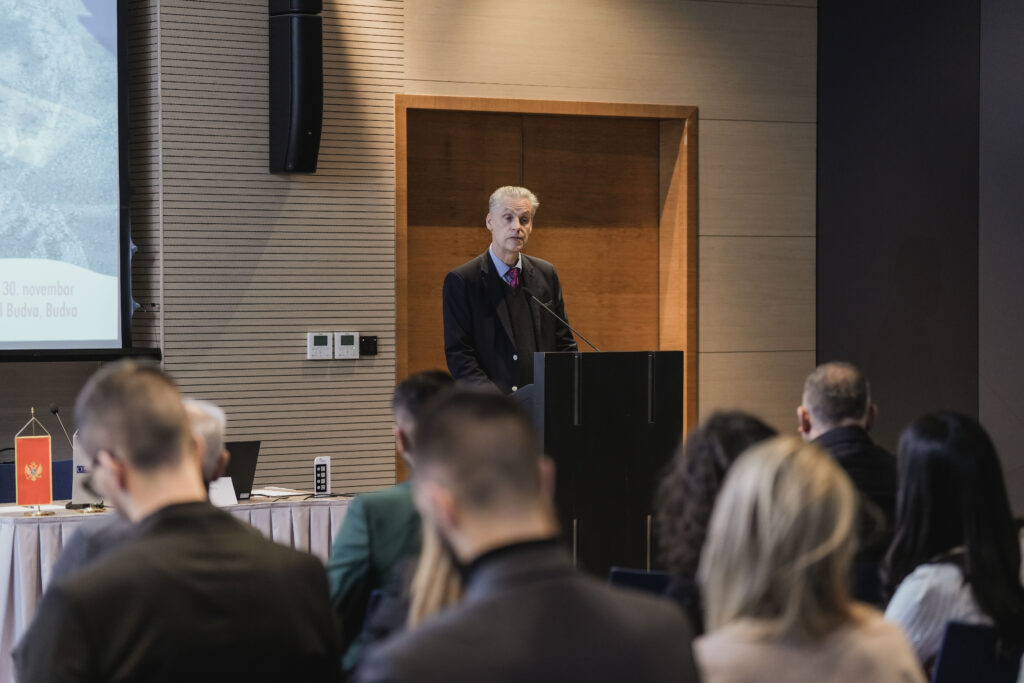
Burvic said that successful integration requires the active participation of all actors, state institutions, local communities, the civil sector, international partners, but also the Roma and Egyptian population itself. As a representative of the OSCE Mission, he pointed out that the OSCE supported efforts aimed at improving the position of vulnerable groups and called on future decision-makers to continue contributing to building a just and equal society.
Professor of the Faculty of Law of the UCG and former judge of the European Court of Human Rights, Nebojša Vučinić, held an introductory lecture at the II module of the School of Political Studies for students of the XXIII generation. In his presentation, he pointed out that international and European institutions have been working to improve the position of the Roma for decades, bearing in mind the long history of discrimination, racism, and violence that this community has been exposed to since the 15th century. He pointed out that today various terms are used, such as anti-Romanism, Romaphobia, and anti-Roma discrimination, to describe systemic injustice, but that no term manages to fully encompass all forms of historical and contemporary persecution of Roma and Egyptians, which shows the complexity of their position.

Referring to specific judgments of the European Court of Human Rights, he emphasized that discrimination against the Roma population persists throughout Europe. He singled out the lack of personal documents as a particularly pressing problem, which mostly affects Roma who came to Montenegro as refugees. He pointed out that it is not only a legal or administrative issue, because a person without documents actually exists, but legally, he does not exist anywhere, which practically deprives him of the status of a subject of law. He concluded that the basic preconditions for successful integration are quality education and the improvement of political participation, primarily through the reduction of the electoral census for minority communities.
The second day of the module began with a lecture by Dr. Sajma Ademović on the topic “The reality of Roma culture in Montenegrin multiculturalism”, during which she presented to the participants the historical and contemporary position of the Roma community in Montenegro, placing it in the broader context of multiculturalism and European inclusion policies. She emphasized that the Roma community in Montenegro has a long and complex historical path, marked by marginalization and a continuous effort to preserve its identity despite strong social prejudices. She pointed out that many different Roma and related identity groups operate in Montenegro today, which further complicates their legal and political recognition. Among the most emphasized challenges is the almost complete absence of political representation, which limits the possibility for the needs and priorities of the Roma community to be heard and respected. European reports point to insufficient institutional commitment, poor progress in the implementation of strategies, and the persistent presence of anti-Romanism in society.
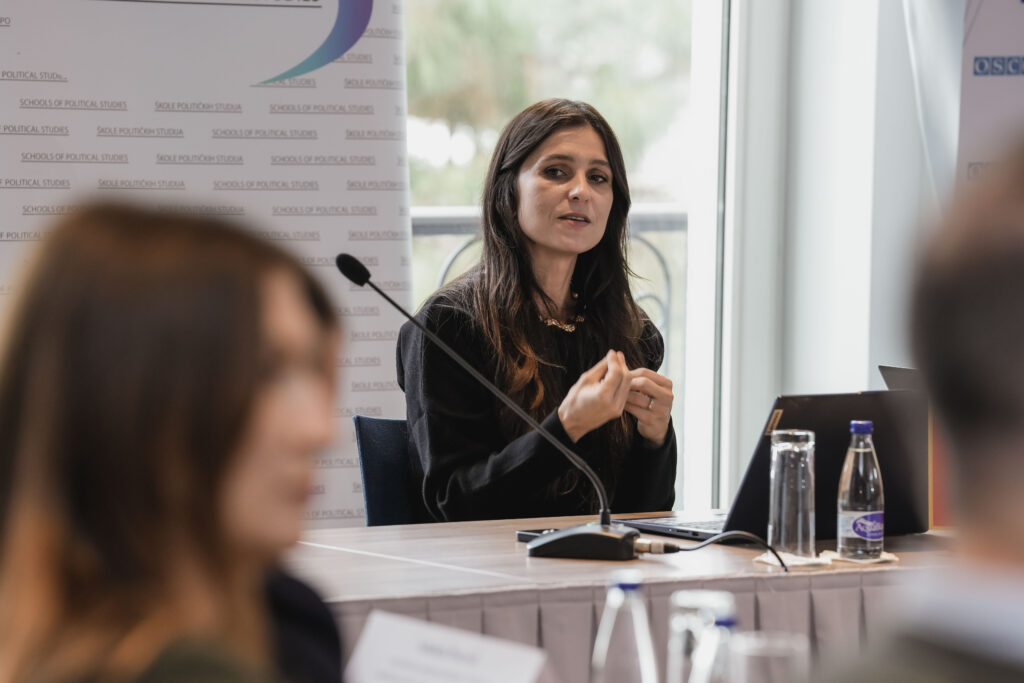
Also, in her presentation, she recalled that Montenegrin multiculturalism, although formally recognized by the 2007 Constitution, shows limitations in practice, especially when it comes to marginalized groups such as the Roma. Ademović concluded that the position of the Roma in Montenegro reflects the gap between the declarative policy and the actual degree of inclusion, and that the active inclusion and recognition of the identity of marginalized communities is a key prerequisite for functional multiculturalism.
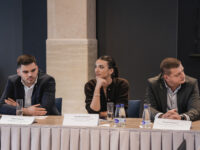
At the panel “Presentation of public opinion research” that followed the lecture, panelists Nevenka Vuksanović, program director of CEDEM, and Vladimir Raičević, executive director of IPSOS Strategic Marketing of Montenegro, presented the findings of the conducted research related to the RE population.

Vladimir Raičević stated that the latest research results show that the Roma community in Podgorica is facing severe economic uncertainty. Most respondents, although they rate their economic situation better than in the previous 12 months, expect further price growth, which confirms economic vulnerability and the need for stronger support and inclusion measures.
Raičević pointed out that he is concerned that among the four biggest problems faced by members of the Roma population, the first place is the poor functioning of institutions, followed by unemployment, drugs, and low standards. It is this assessment of the poor functioning of state institutions that further deepens the feeling of exclusion.

Overall, the findings clearly indicate the need for comprehensive measures that will improve the economic status and institutional protection of the Roma community.
Nevenka Vuksanović presented the findings of the latest research on the socio-economic position of Roma in Montenegro. She pointed out that the research included 592 Roma households in 12 municipalities and that indicators such as education, financial status, access to documentation, health care, social protection, and participation in education and media promotion were analyzed. Vuksanović pointed out that, despite positive trends such as income growth in higher income categories, better knowledge of the Montenegrin language, greater coverage of children’s allowance and school supplies, and greater participation in training on employment and documentation, there are still serious challenges. She particularly emphasized the decline in possession of basic documentation. She also pointed to the insufficient coverage of social assistance and the negligible use of funds for self-employment, which shows limitations in the exercise of basic life rights.
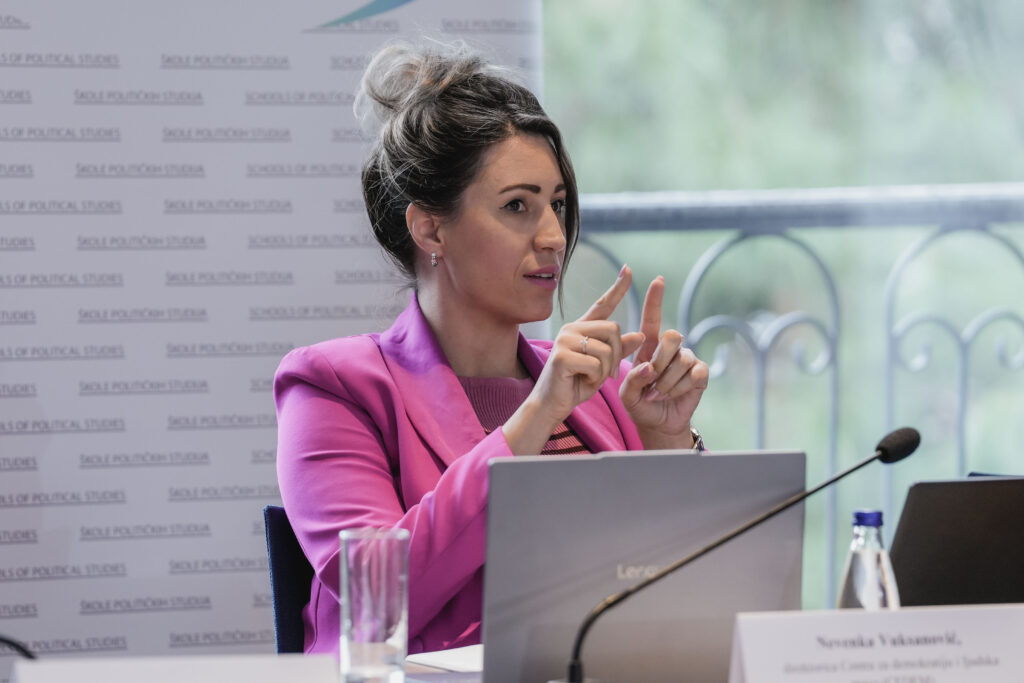
The last day of the II module of the SPS was marked by the lecture “Ethnic identity of Roma and Egyptians in the process of transition in Montenegro”, Vesna Delić, Ph.D. Namely, she spoke about the changeability of the identity, culture, and tradition of these communities, as well as the need to break long-standing stereotypes that portray them as static in time and space. Delić presented their origin, ethnogenesis, migration flows, and historical circumstances that shaped the development of Roma and Egyptian identity in the Balkans and Montenegro.

She placed special emphasis on the influences of the modern age, social changes, and the so-called social engineering on their ethnic and religious identities, language, and functioning models. The goal of her presentation was to demonstrate that Roma and Egyptians are equal participants in social, economic, and political processes, and that their identities are dynamically developing in accordance with contemporary social trends.