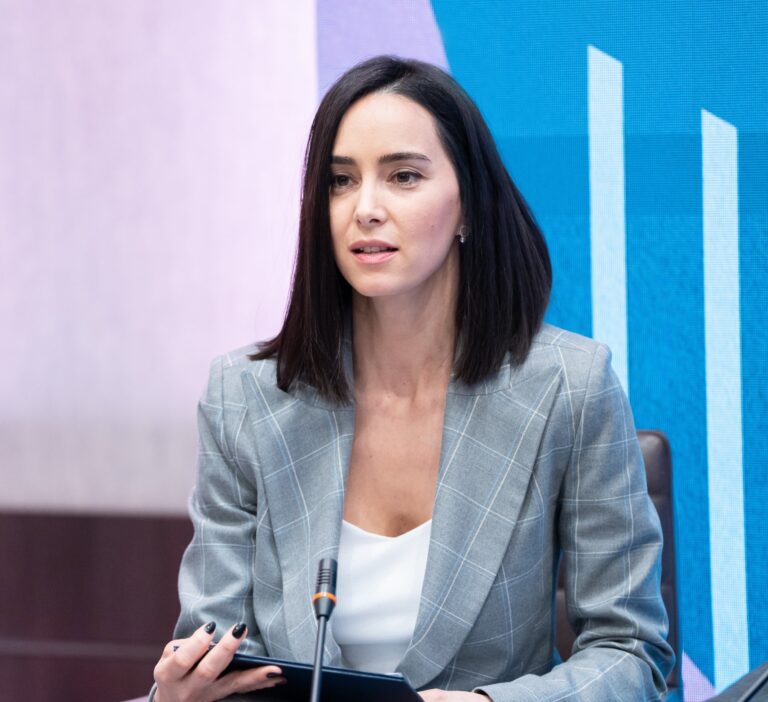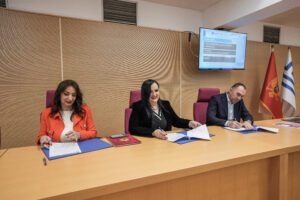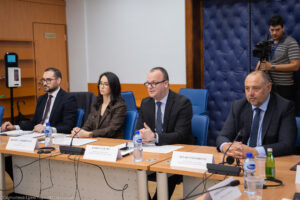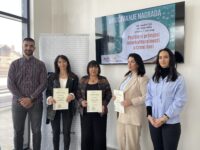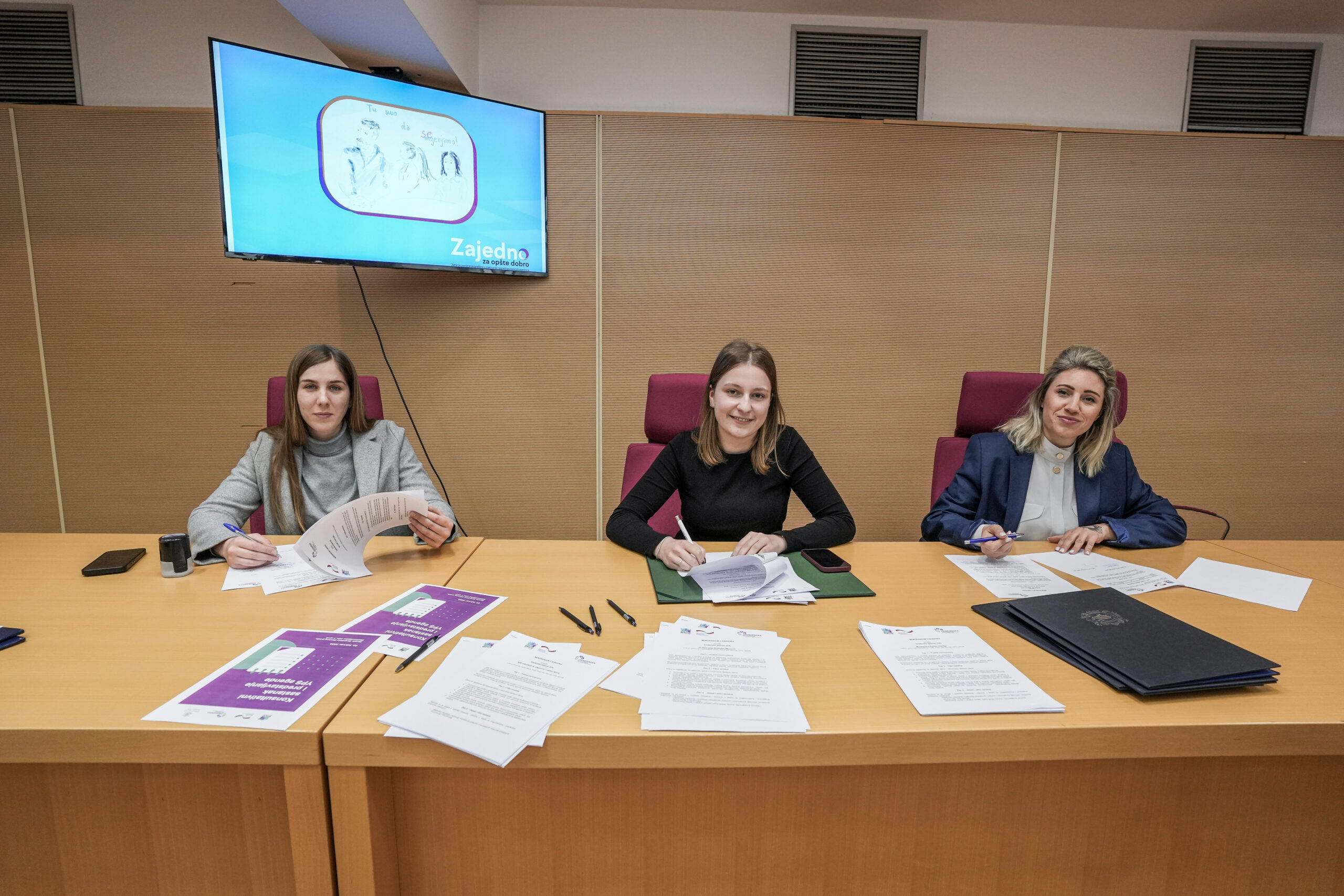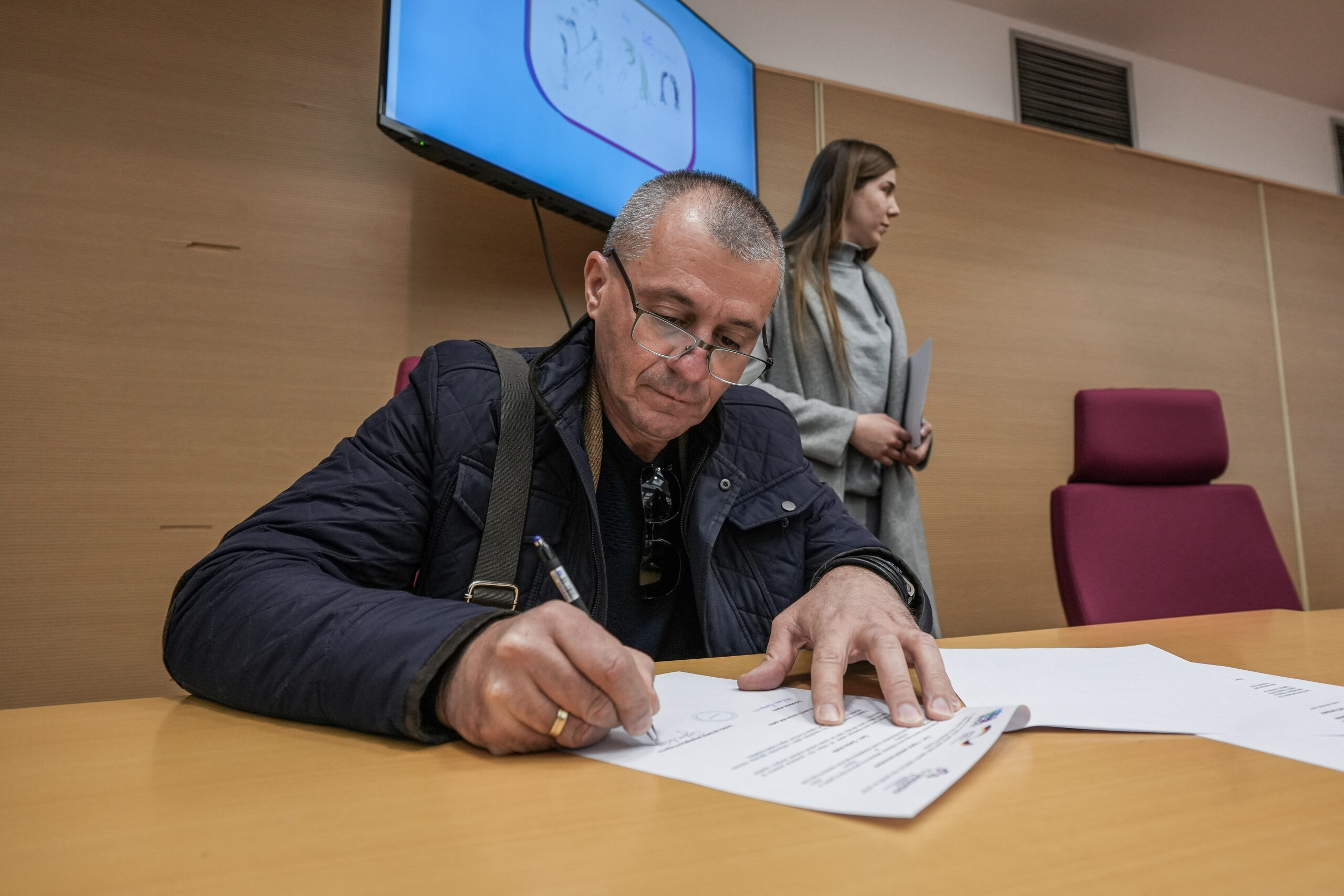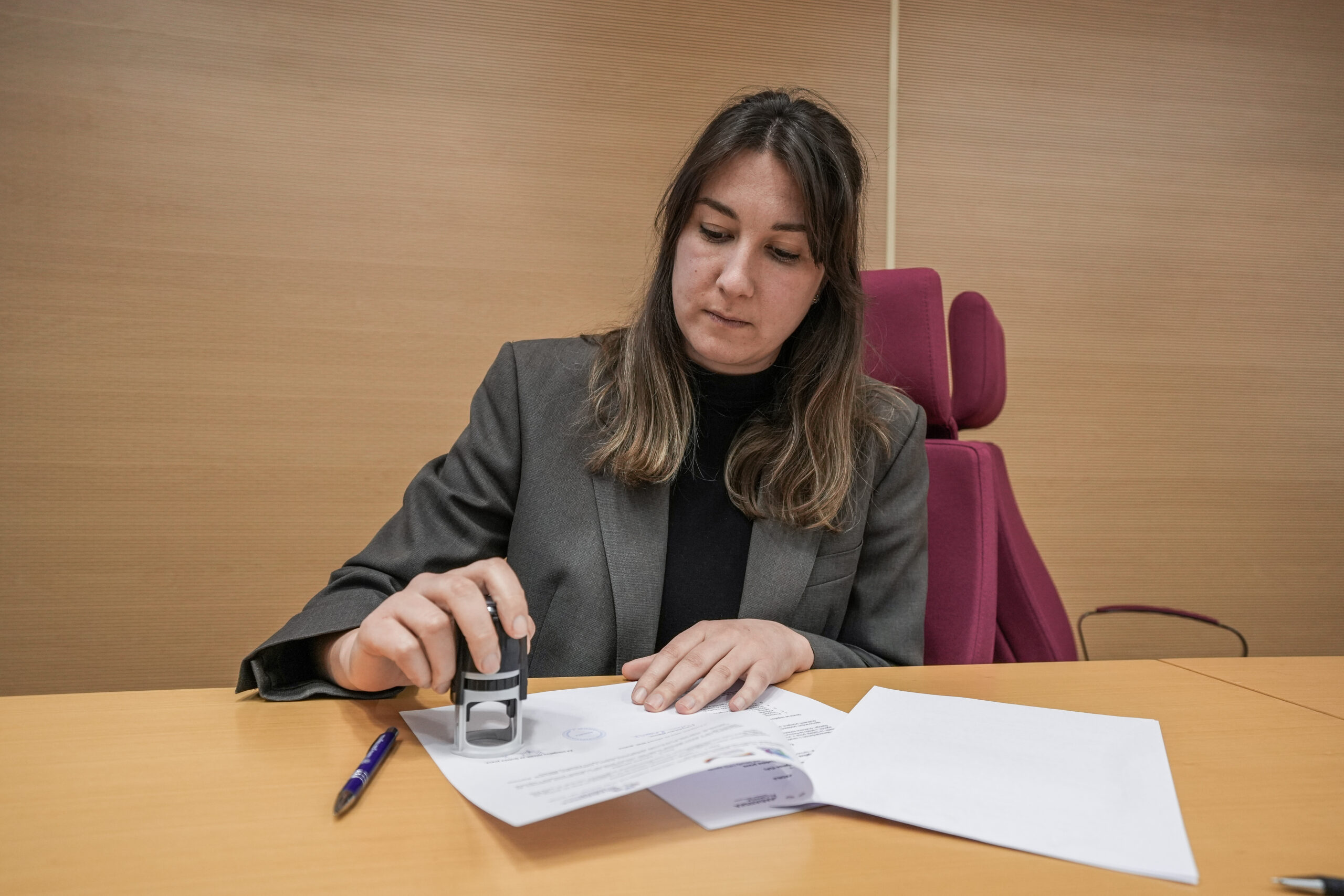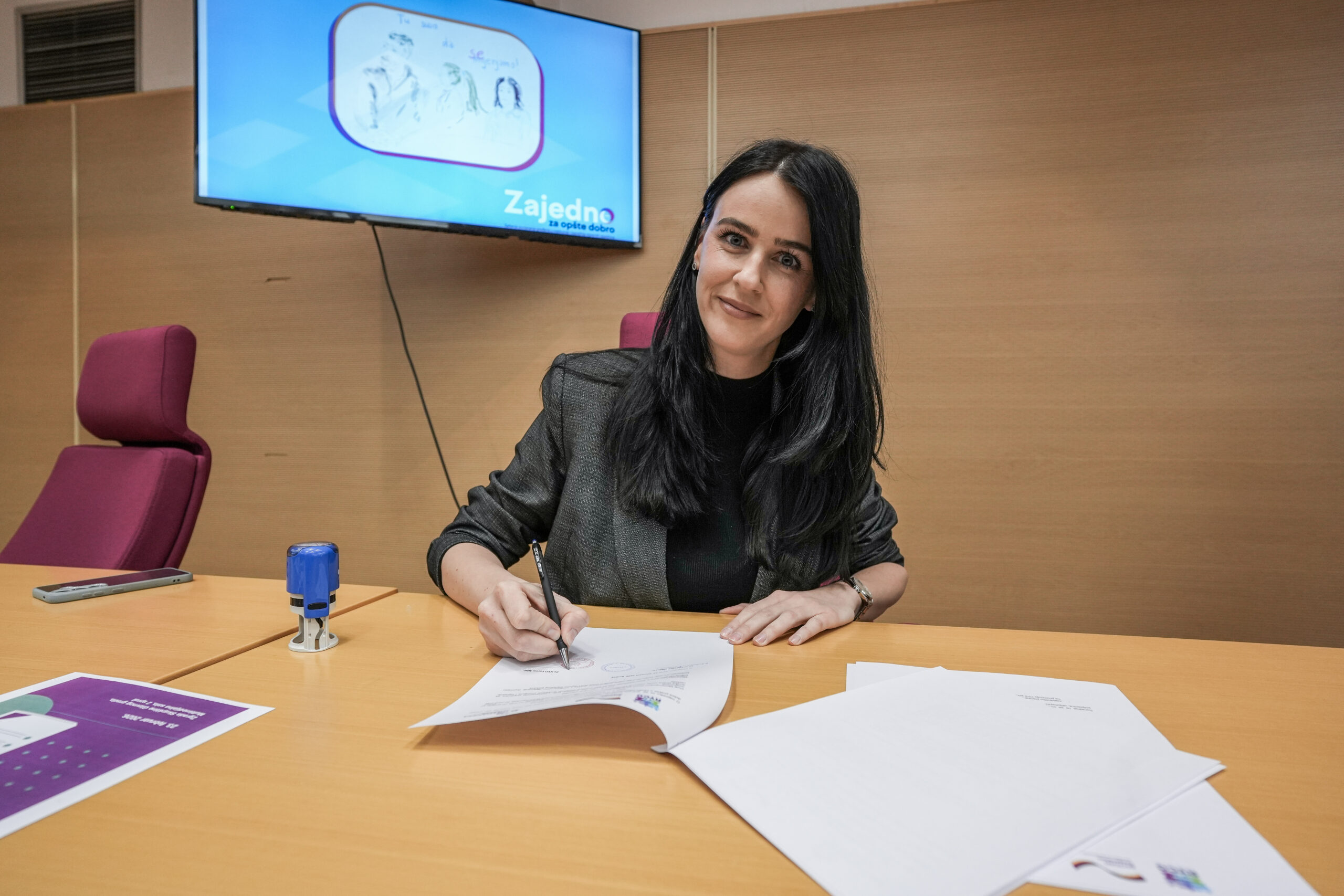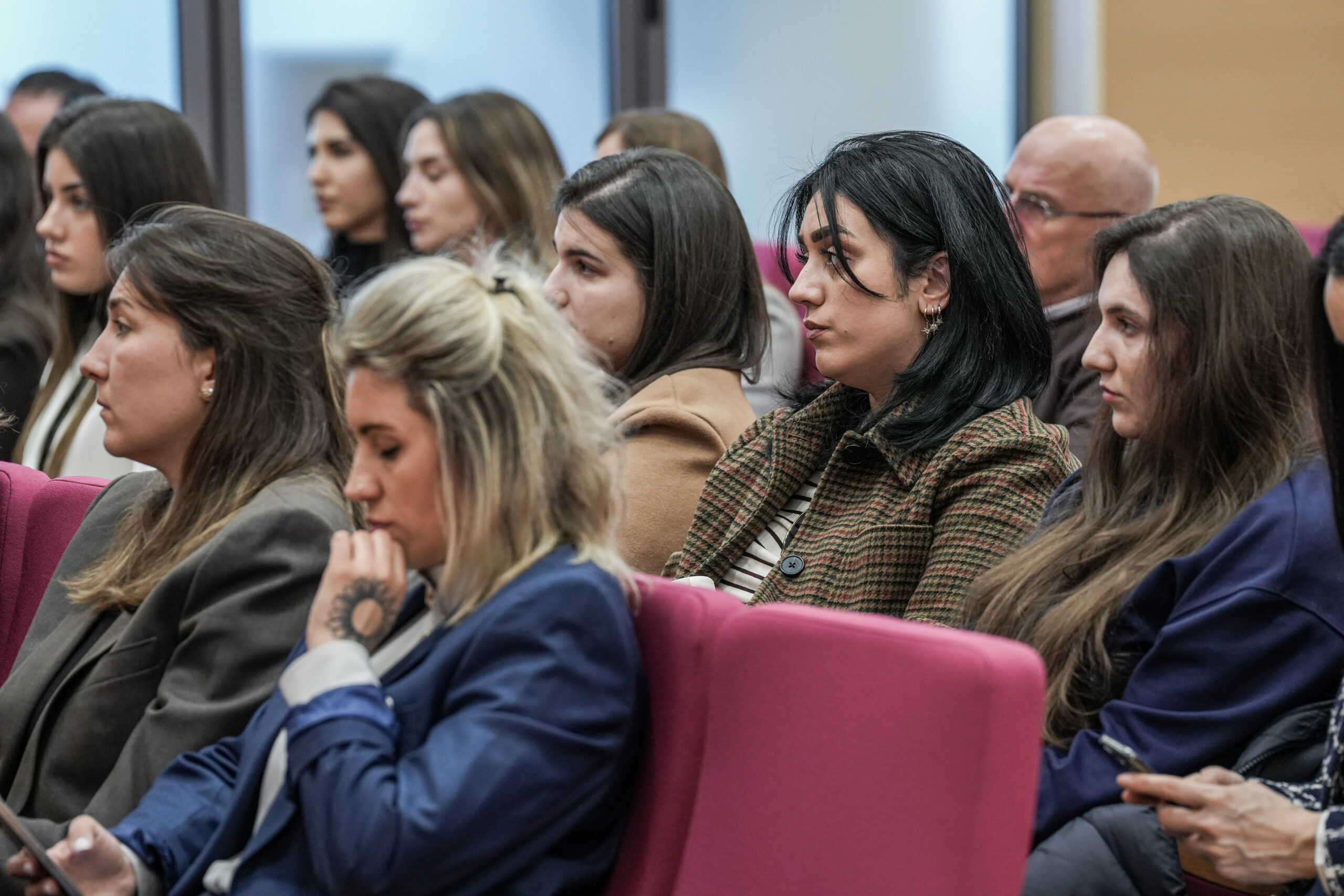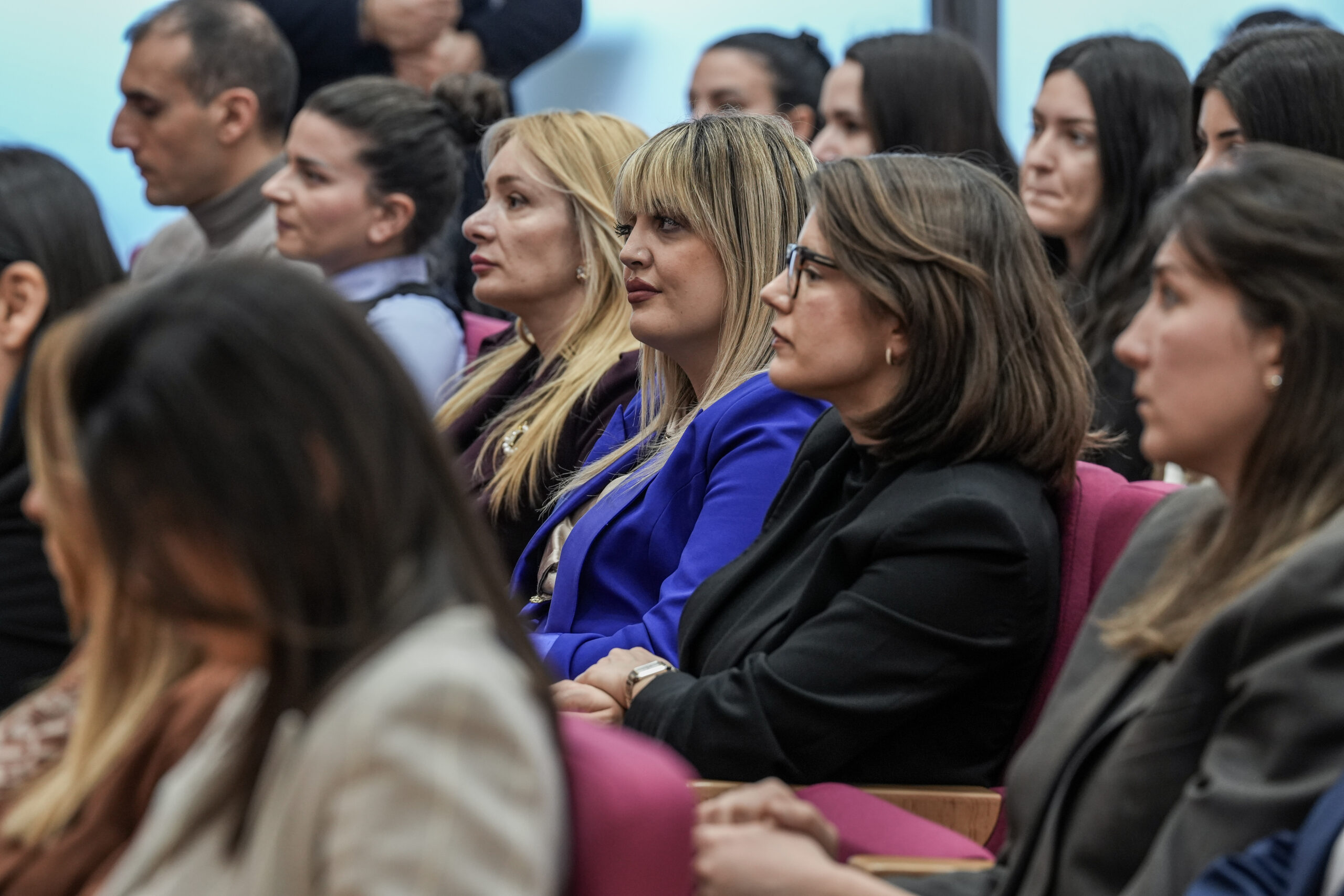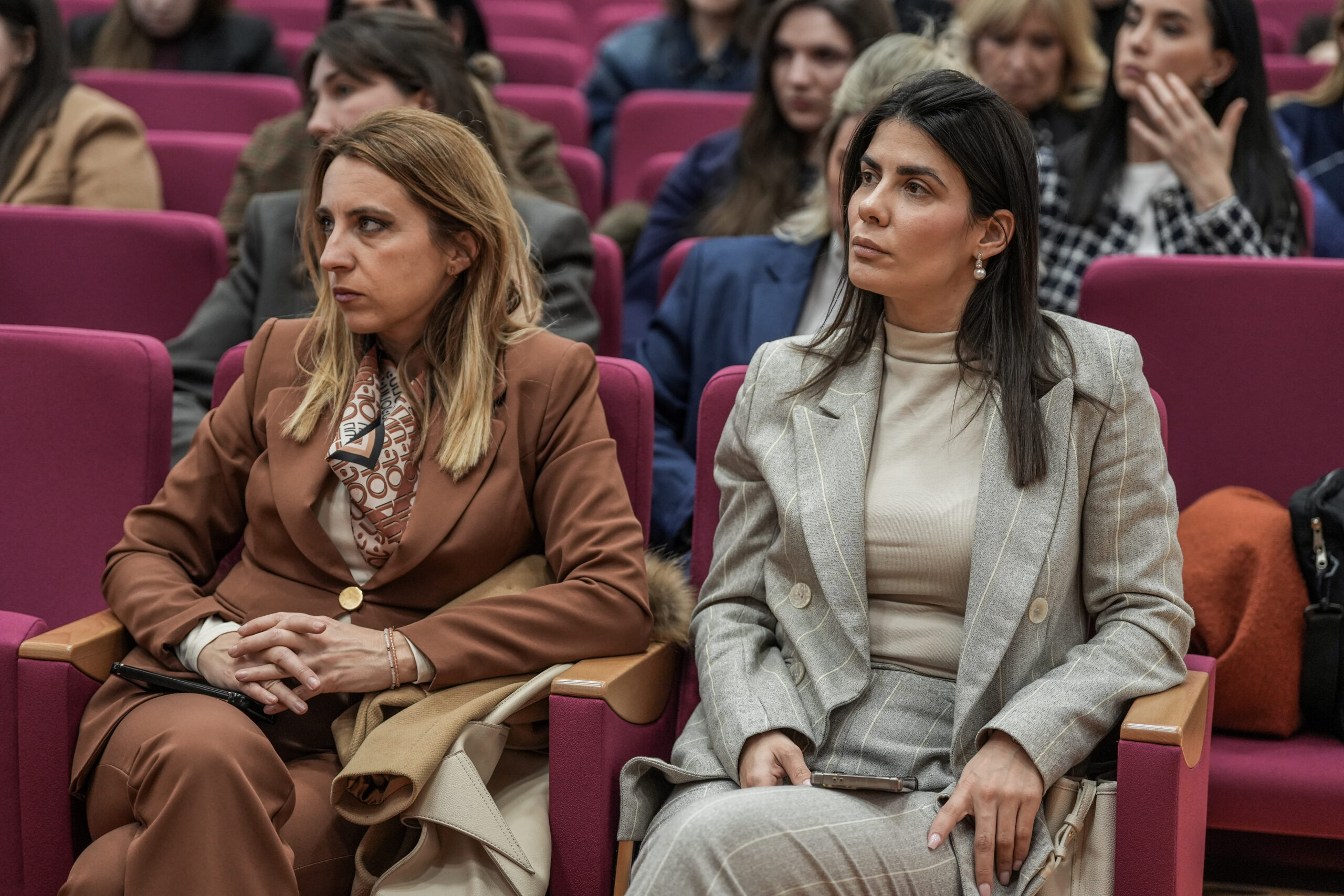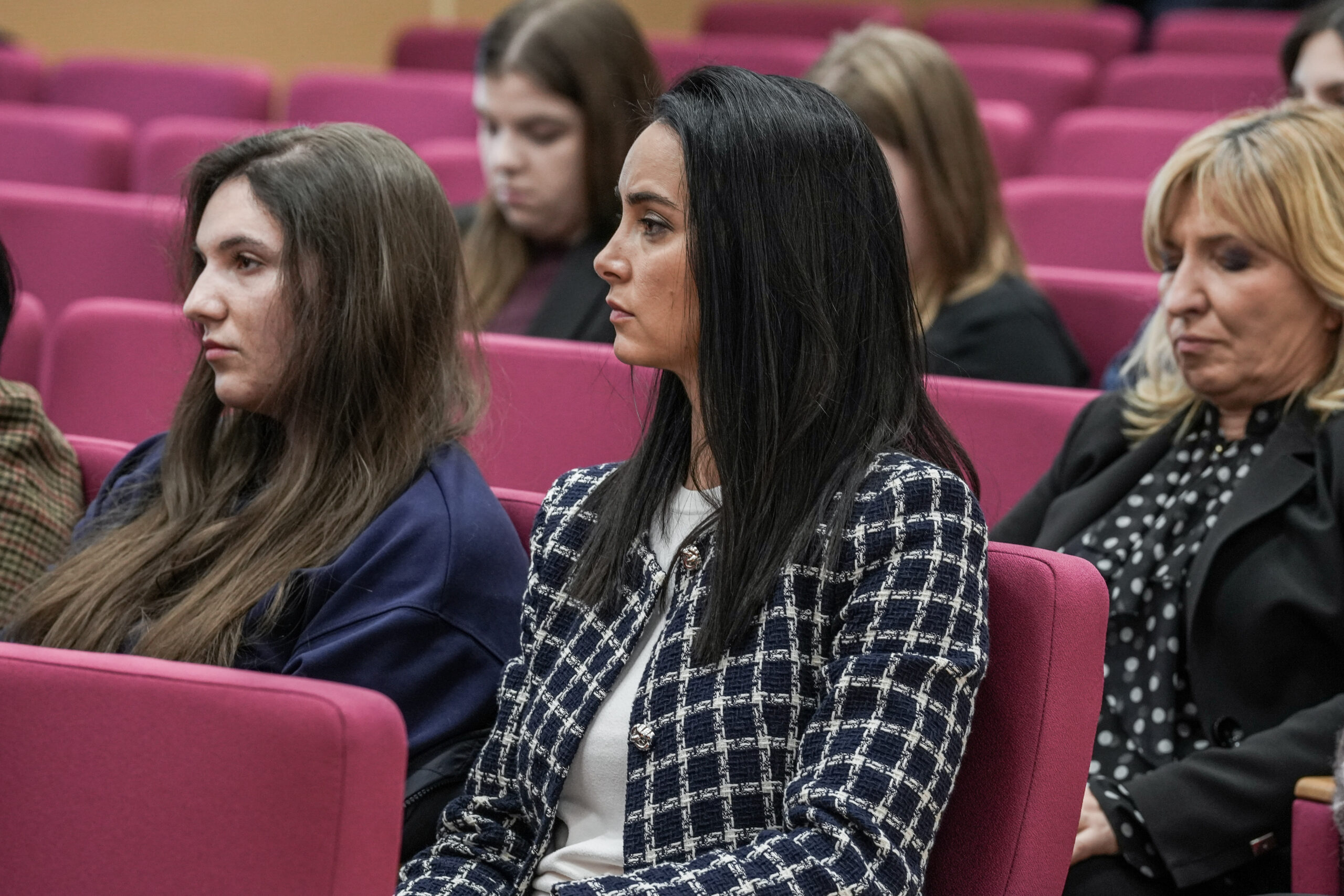
The inclusion of young people in decision-making processes and their empowerment as active partners in peacebuilding contribute to strengthening social cohesion, democratic values, and trust between citizens and institutions – this was the conclusion of the consultative meeting organized today by the Civic Alliance at the Assembly of the Capital City.
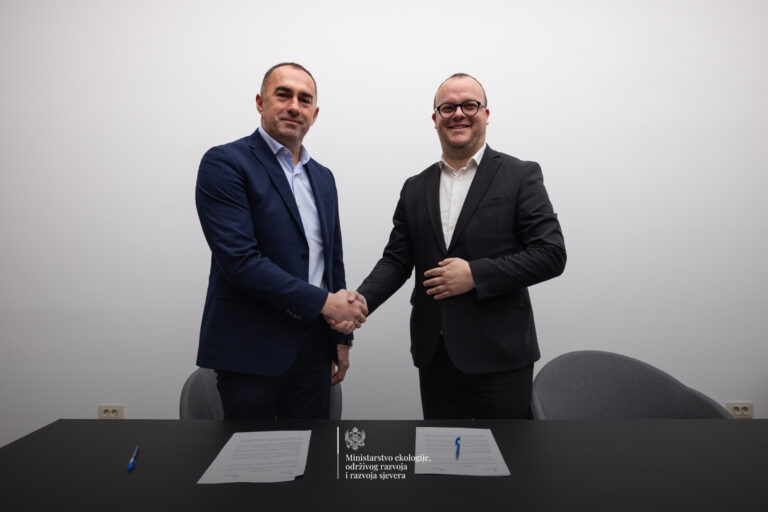
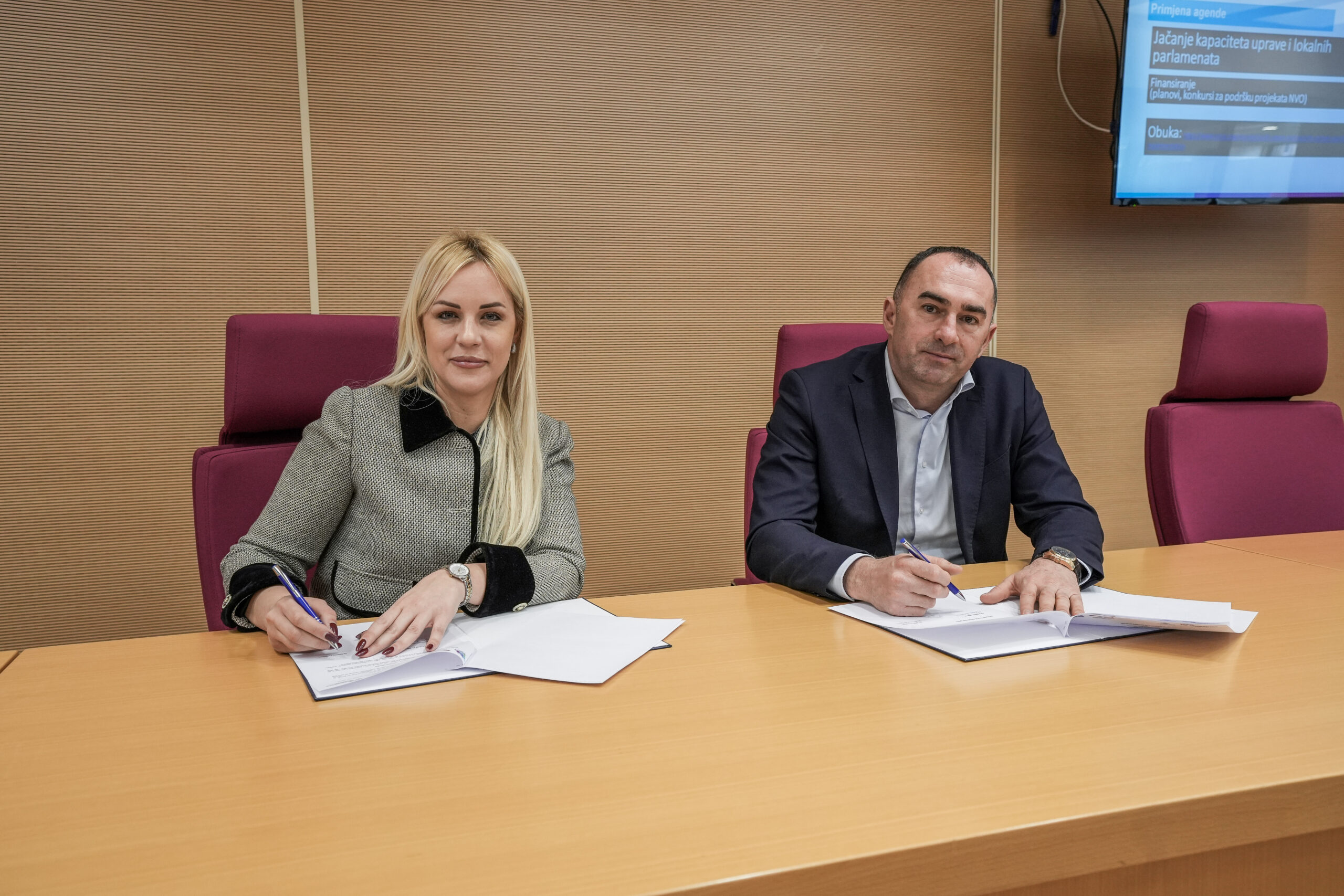
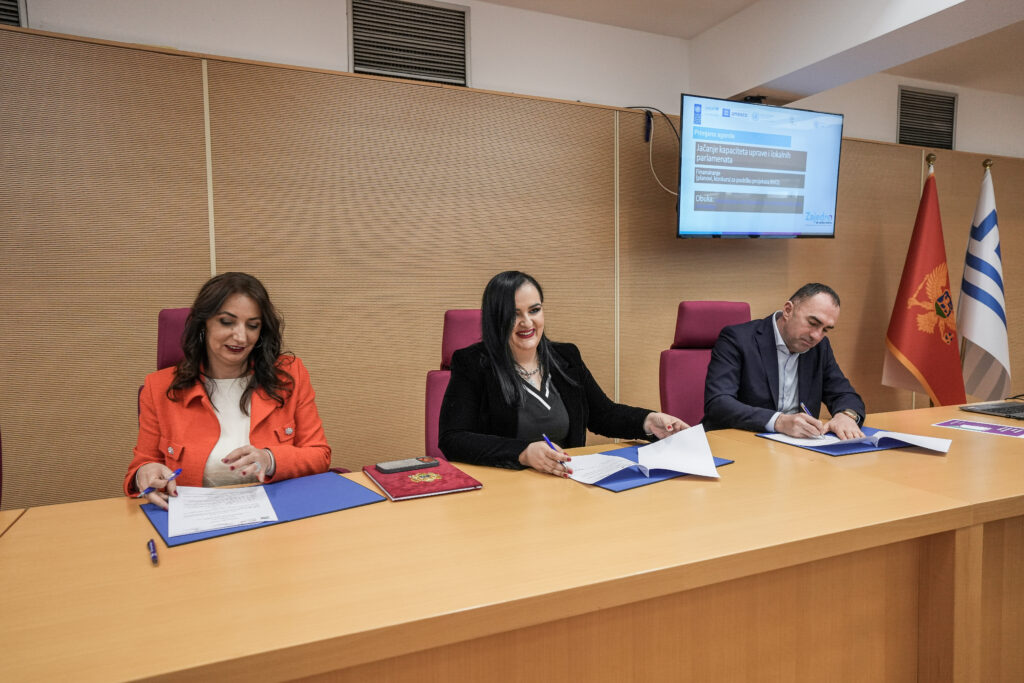
The meeting aimed to present the Youth, Peace and Security (YPS) Agenda, to sign the National Coalition on the implementation of the said Agenda, and to sign a Memorandum of Cooperation with relevant institutions and organizations. These documents represent a framework for partnership cooperation aimed at empowering young people as active agents of social change, conflict prevention, and the building of safe, inclusive, and just communities.
The meeting was attended by the Minister of Education, Science and Innovation, Anđela Jakšić-Stojanović; the Minister of Labour, Employment and Social Dialogue, Naida Nišić; the Director General of the Directorate for Youth and Cooperation with NGOs within the Ministry of Sports and Youth, Darko Stojanović; the Deputy Mayor, Nađa Ljiljanić; the Head of the Regional Youth Cooperation Office (RYCO), Edin Koljenović; the UNDP Programme Manager, Jelena Miljanić; and representatives of other relevant institutions and civil society organizations.
The event was opened by Ivan Radulović, Programme Coordinator at the Civic Alliance, who emphasized at the outset that young people in Montenegro are ready to participate in various decision-making processes actively, but that it is necessary to ensure adequate space and support so that their participation is meaningful, constructive, and has a real impact on policymaking.
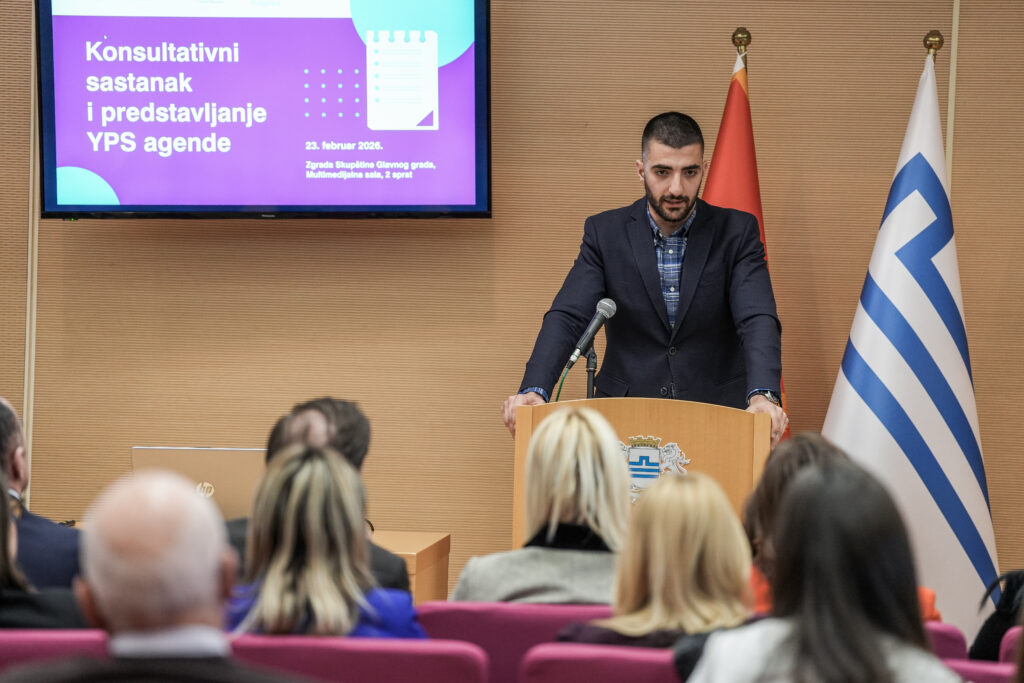
He stated that young people should have the opportunity to participate in decision-making processes that affect their lives actively.
“This applies to all levels, from local communities and schools, through cities and states, all the way to international organizations. When young people have the space to express their ideas, to be heard, and to participate in shaping policies, societies become more just, inclusive, and stable,” he said.
In her opening remarks, Minister Jakšić-Stojanović emphasized that the education system bears a special responsibility for empowering young people, highlighting that education, science, and innovation foster critical thinking, democratic culture, and the active participation of youth in society.
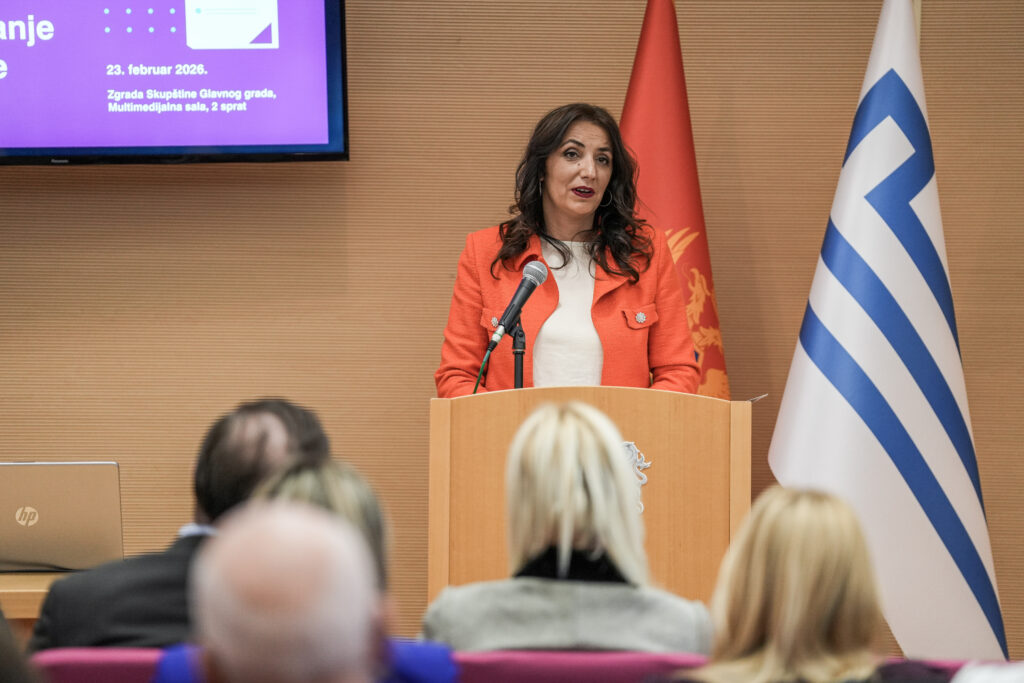
She also pointed out that no single institution can independently address the complex challenges faced by young people, and that cooperation among ministries, local governments, educational and cultural institutions, civil society, and young people themselves is crucial.
Minister Nišić emphasized that the ministry she leads strongly supports the principles of the YPS Agenda, as set out in United Nations Security Council Resolution 2250, which recognizes the important role of youth in peacebuilding, conflict prevention, and strengthening societal resilience.
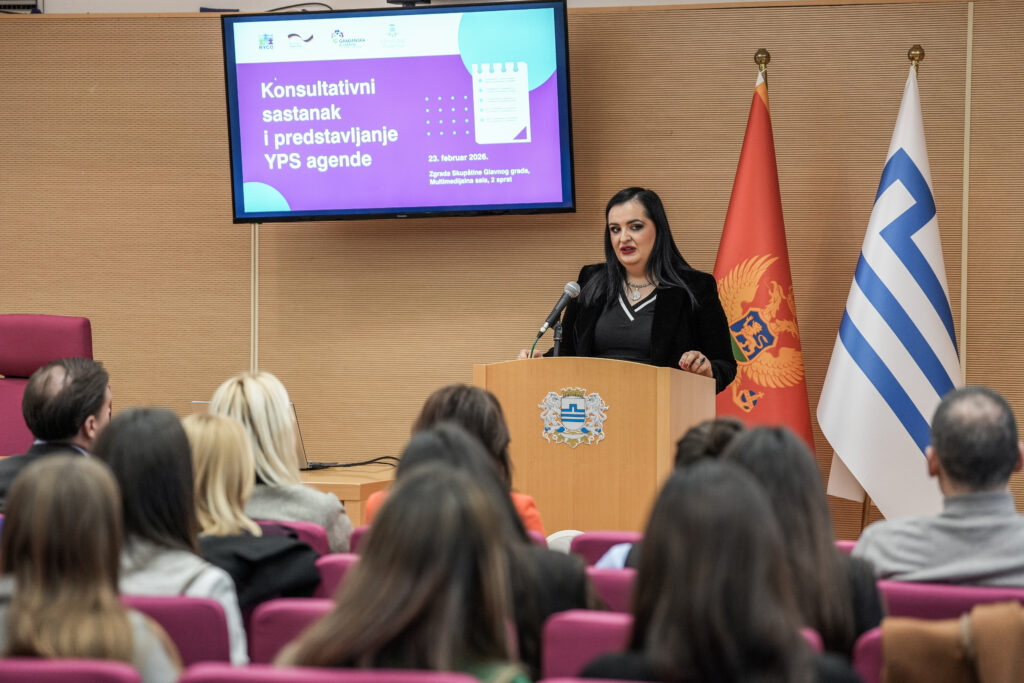
She highlighted that, alongside institutional cooperation, it is necessary to ensure the active participation of civil society and citizens in decision-making processes for the values promoted by this Agenda to be effectively implemented in practice.
Deputy Mayor Nađa Ljiljanić stated that, in a time of global challenges, polarization, and rising tensions, it is the responsibility of all of us to offer young people more dialogue, opportunities, and trust.
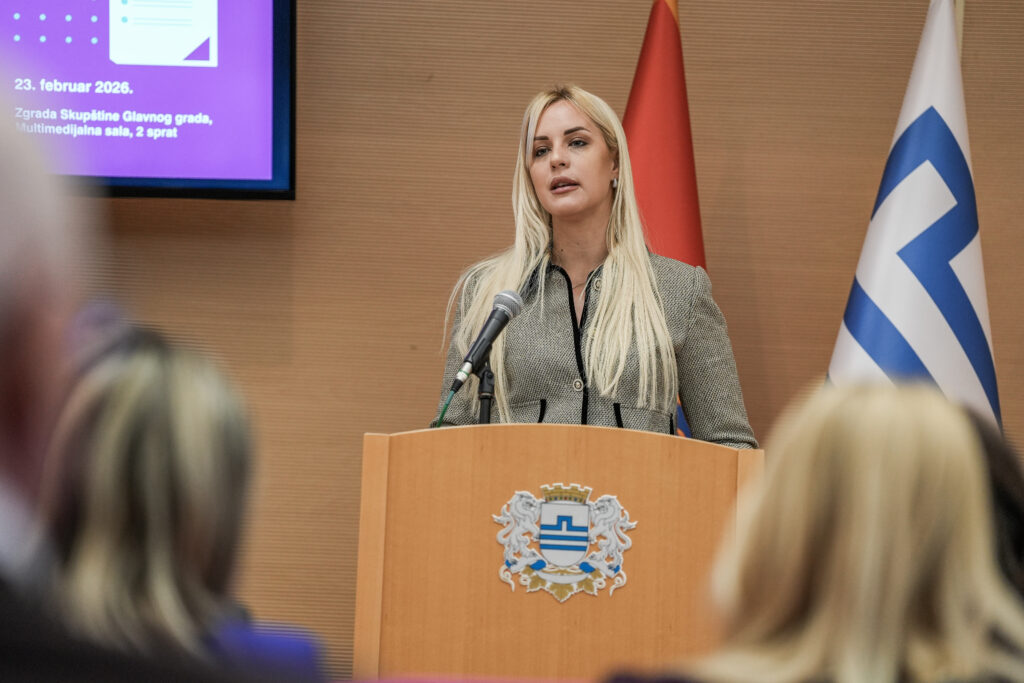
She added that peace and security require not only institutional engagement, but also everyday cooperation, dialogue, and inclusion. She confirmed that the Capital City remains a reliable partner in implementing the principles of the Agenda and strengthening local youth-oriented policies.
Darko Stojanović, on behalf of the Ministry of Sports and Youth, emphasized the importance of young people’s active participation in policymaking, stressing that their voices must be present and respected in all relevant processes.
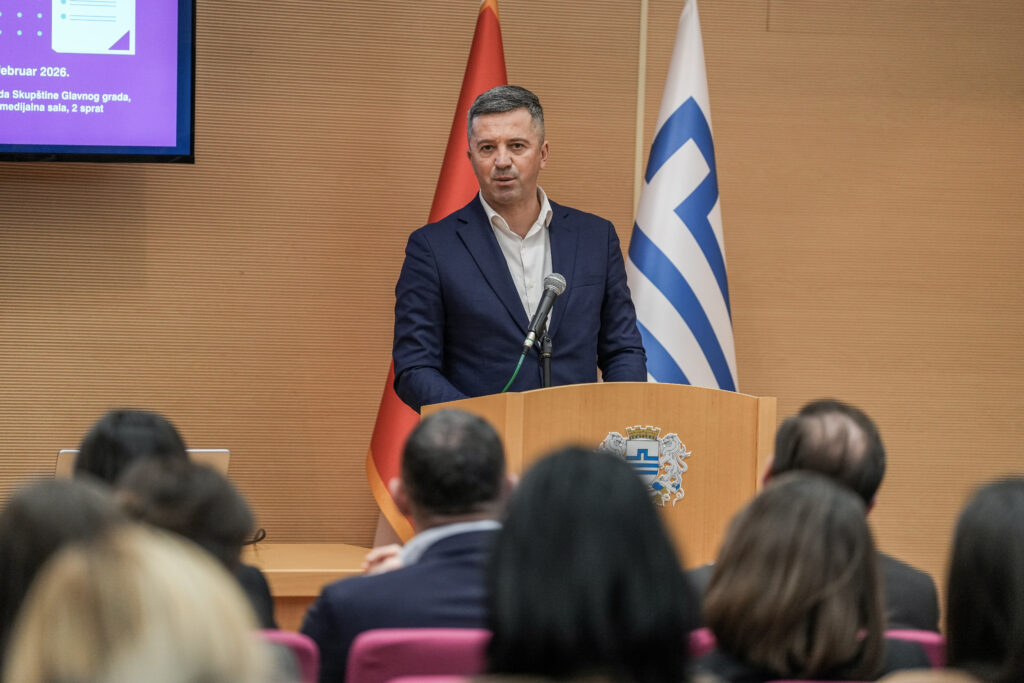
He particularly highlighted that the example of Podgorica, recently designated as the European Youth Capital for 2028, confirms the commitment of local authorities to listen to young people and provide them with space for active participation in policymaking.
He noted that the Ministry remains open to all forms of cooperation and will always respond positively to initiatives and activities that enable young people to be involved and have their voices heard in decision-making processes.
Edin Koljenović stated that several years ago, RYCO initiated the regional implementation of the Youth, Peace and Security Agenda, based on the belief that the Western Balkans, given its experience of conflict, transition, and reconciliation, must develop an authentic model for involving young people in peace processes and social cohesion.
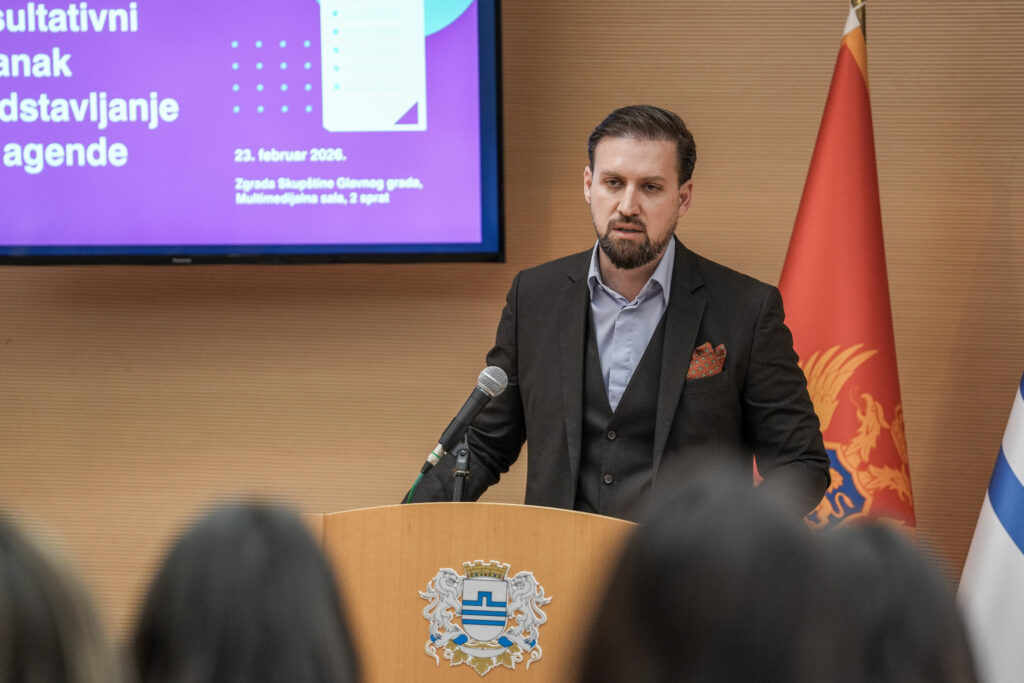
In that context, he sent a clear message about the importance of institutional support, assessing that youth resilience to polarization is not built through campaigns or one-off projects, but systematically.
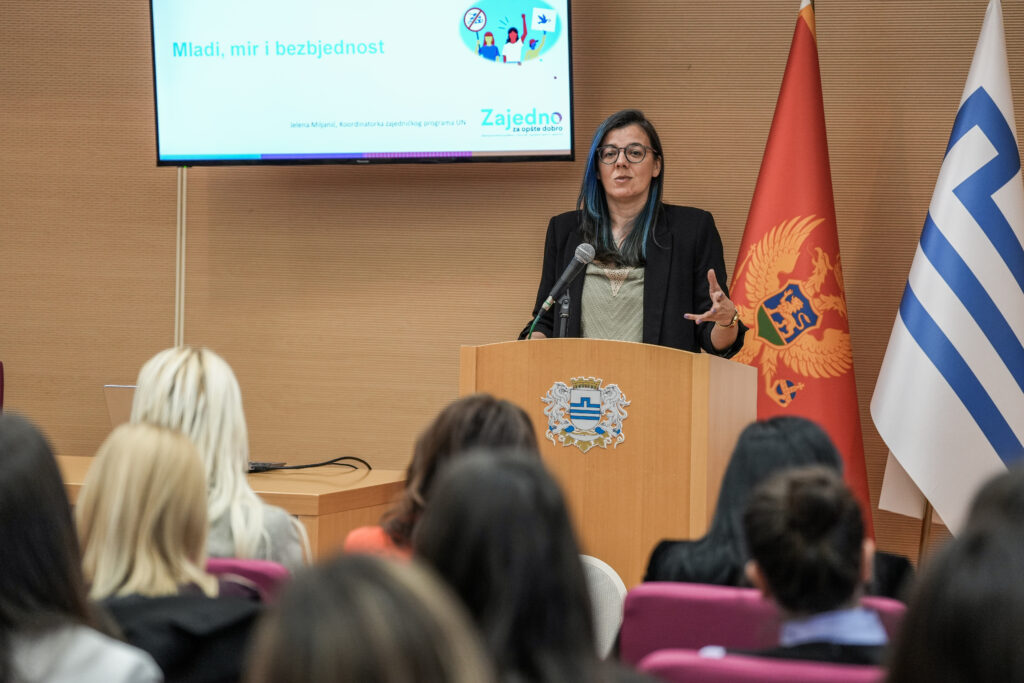
Following the opening remarks, Jelena Miljanić, UNDP Programme Manager in Montenegro, provided participants with a more detailed overview of the Youth, Peace and Security (YPS) Agenda, examining it through both global and local contexts.