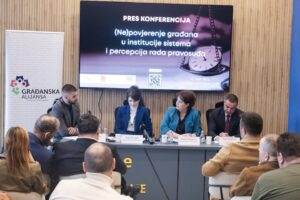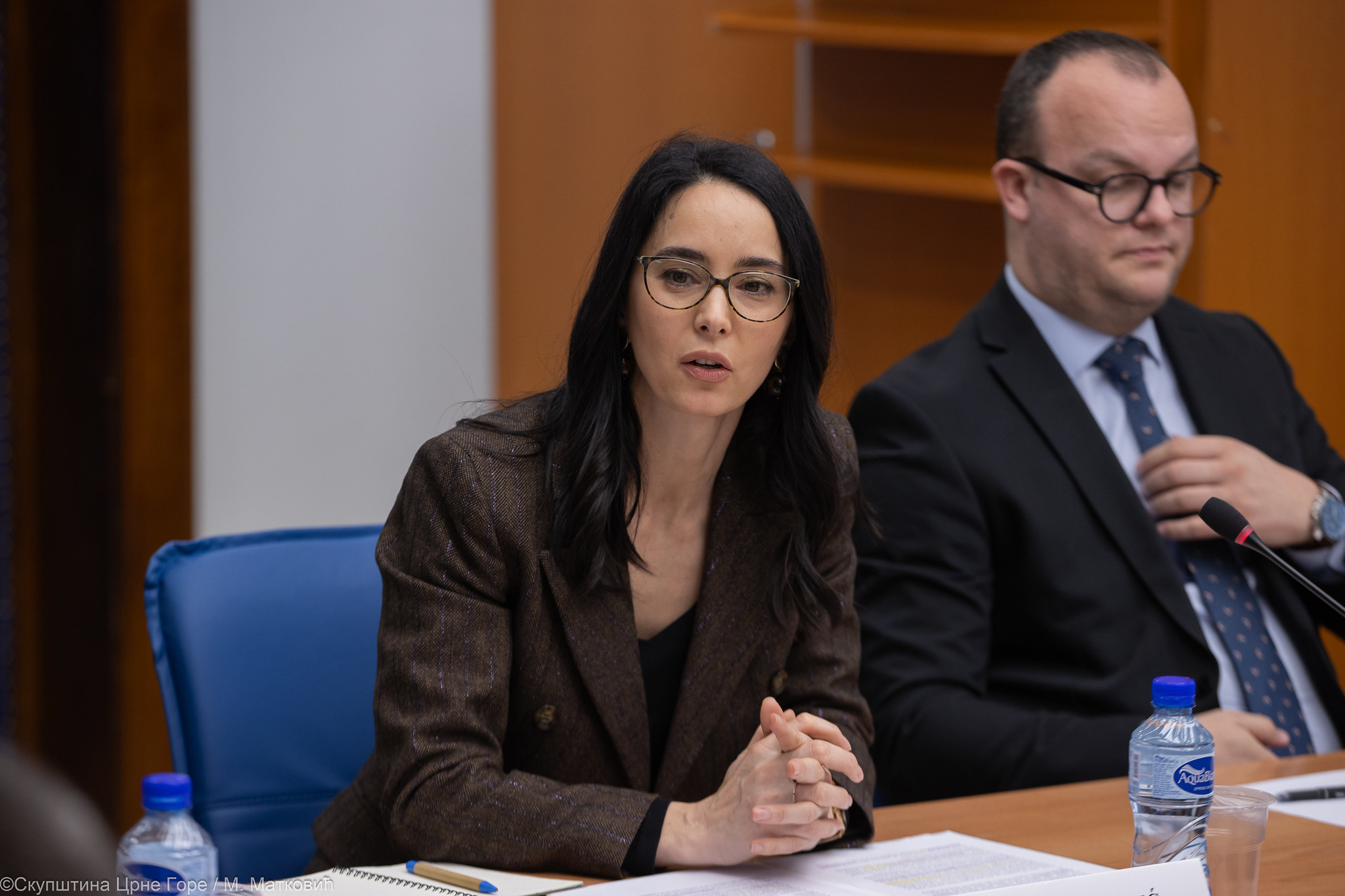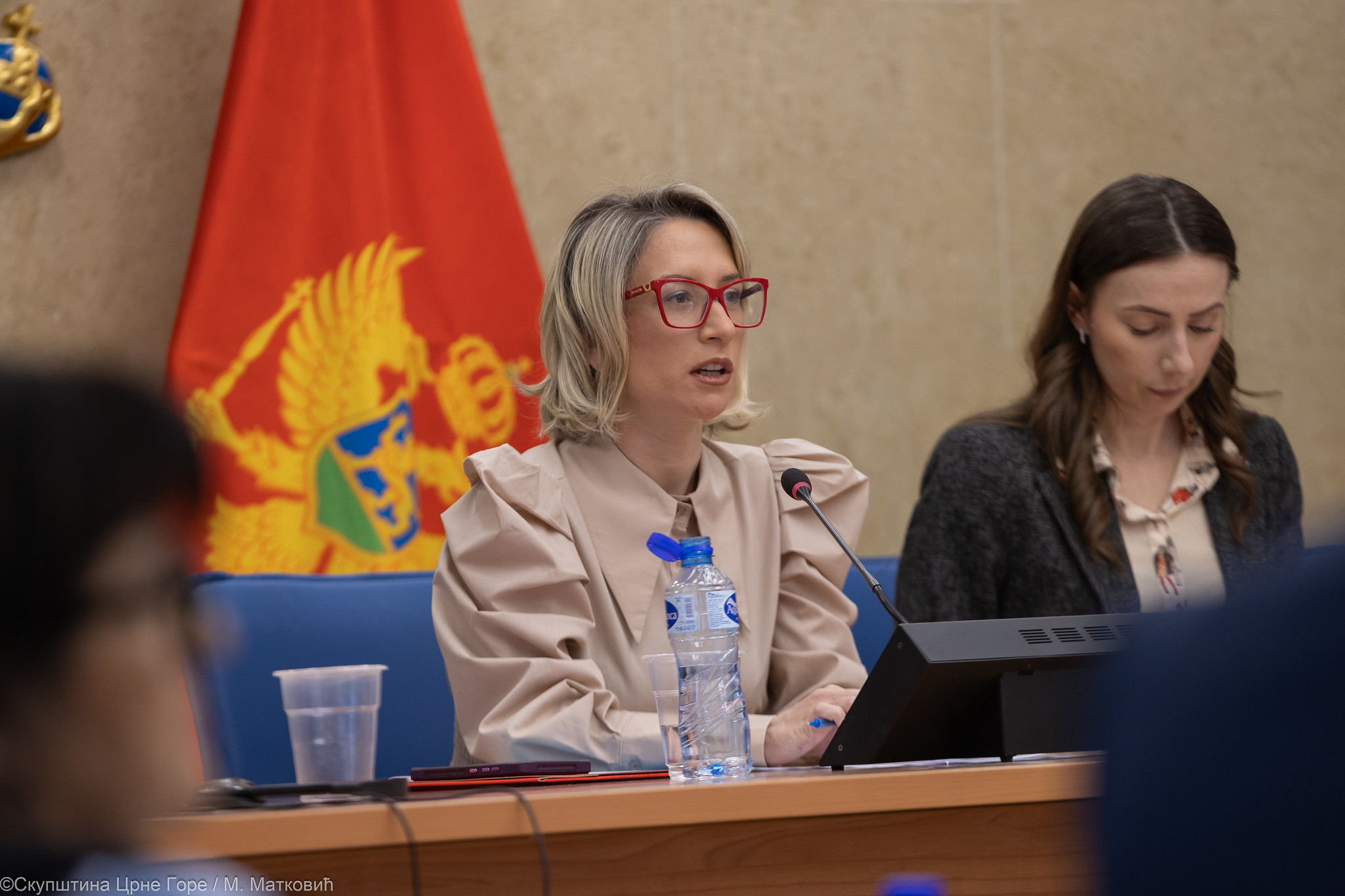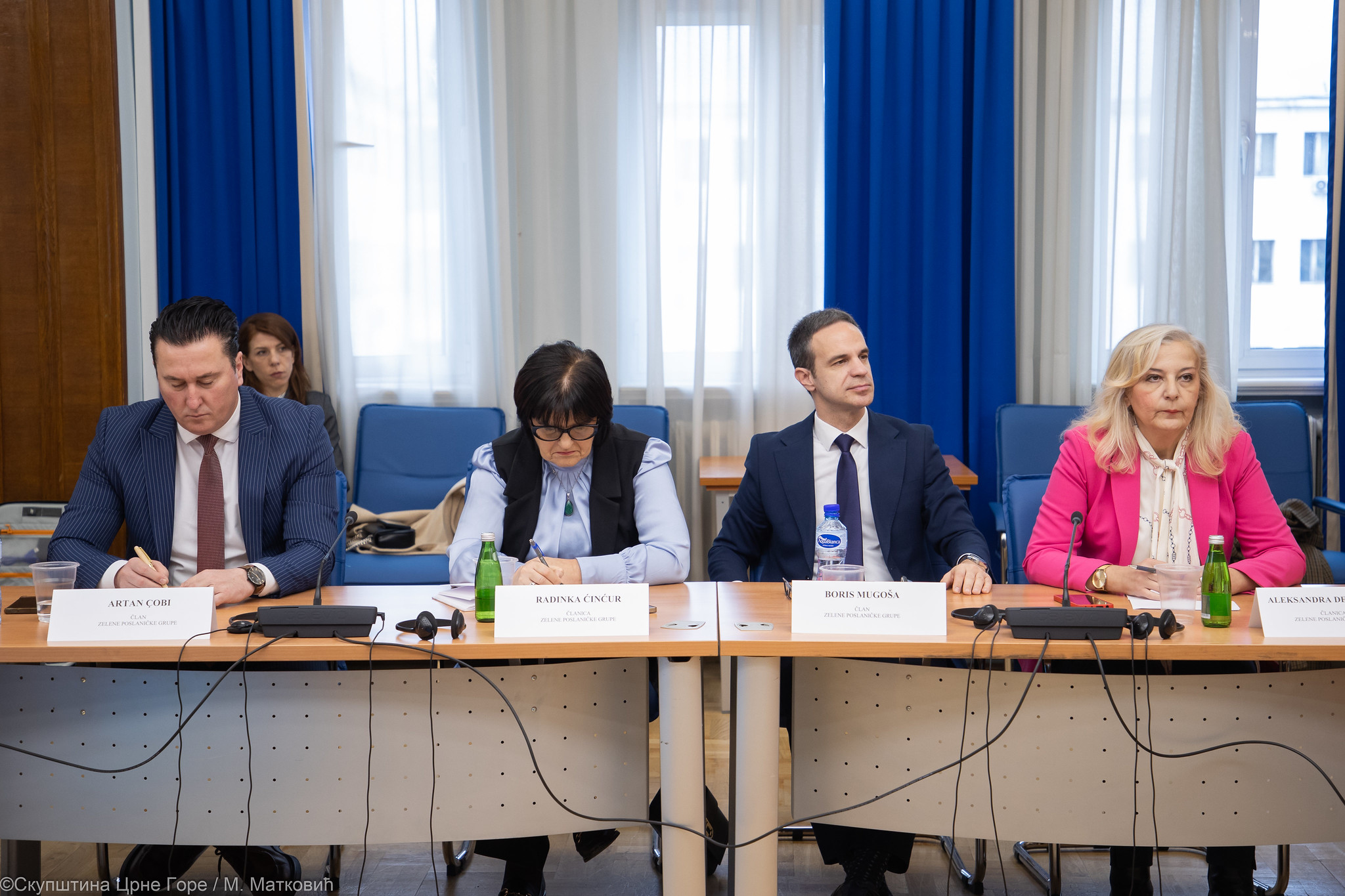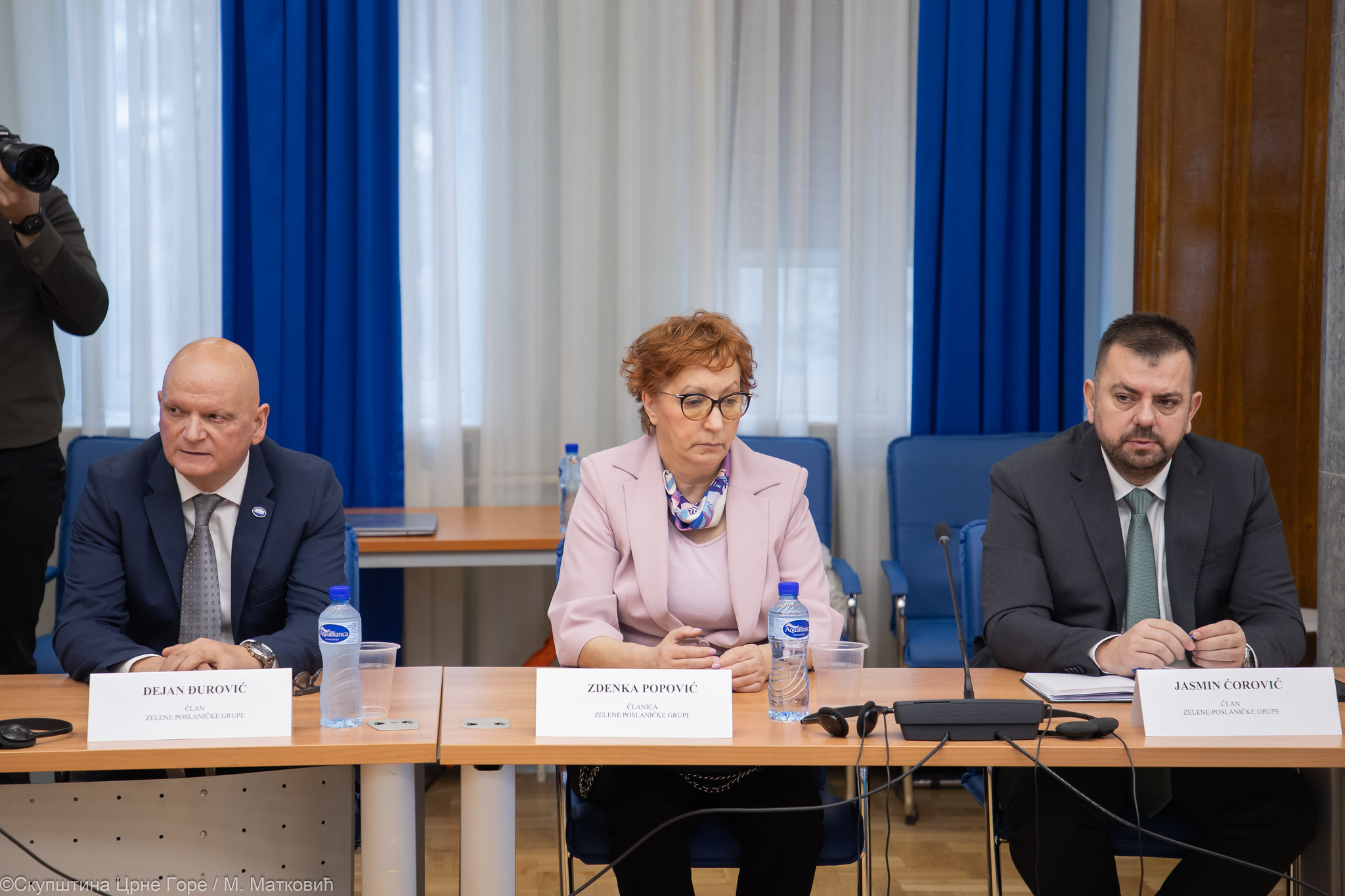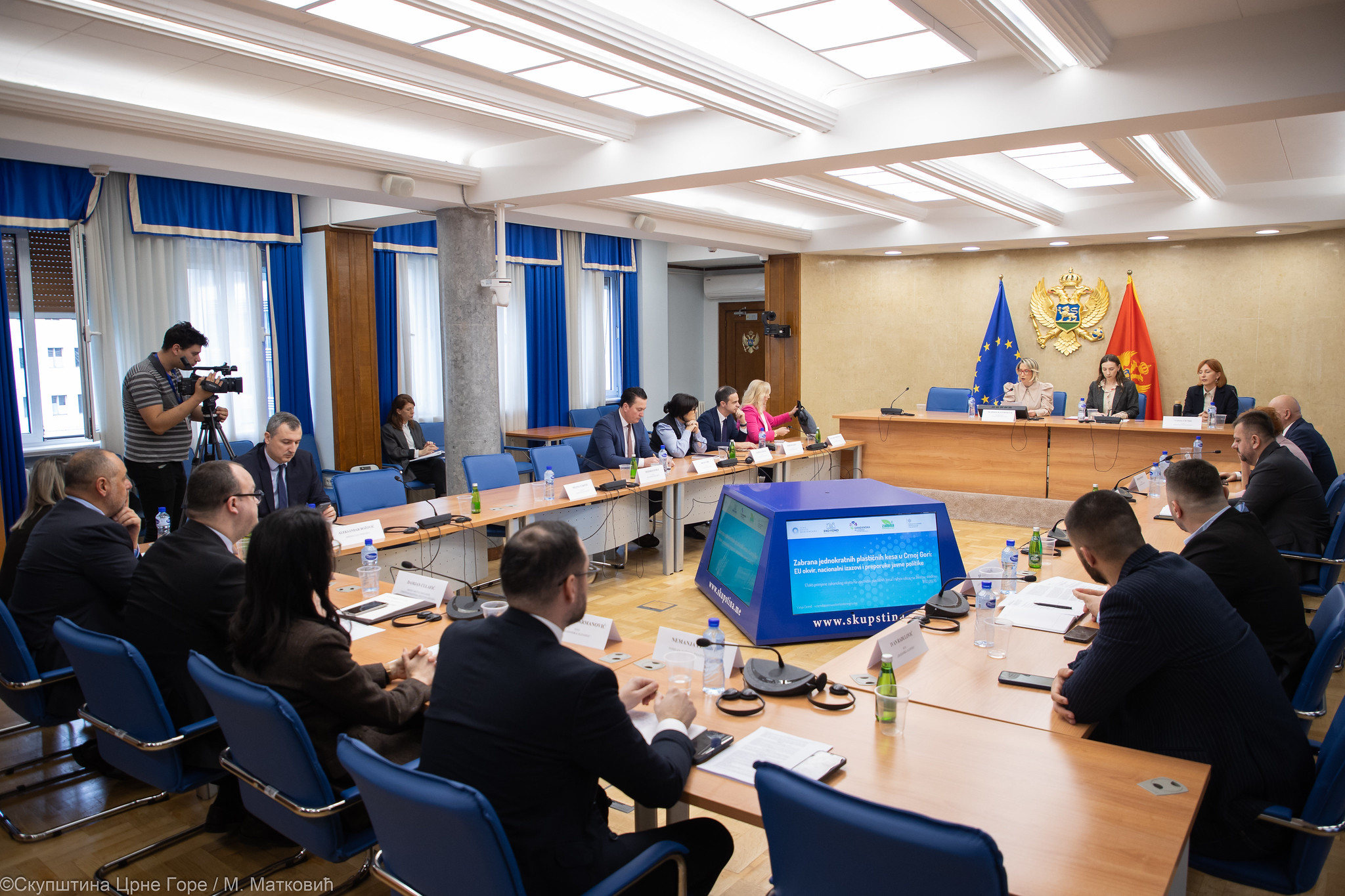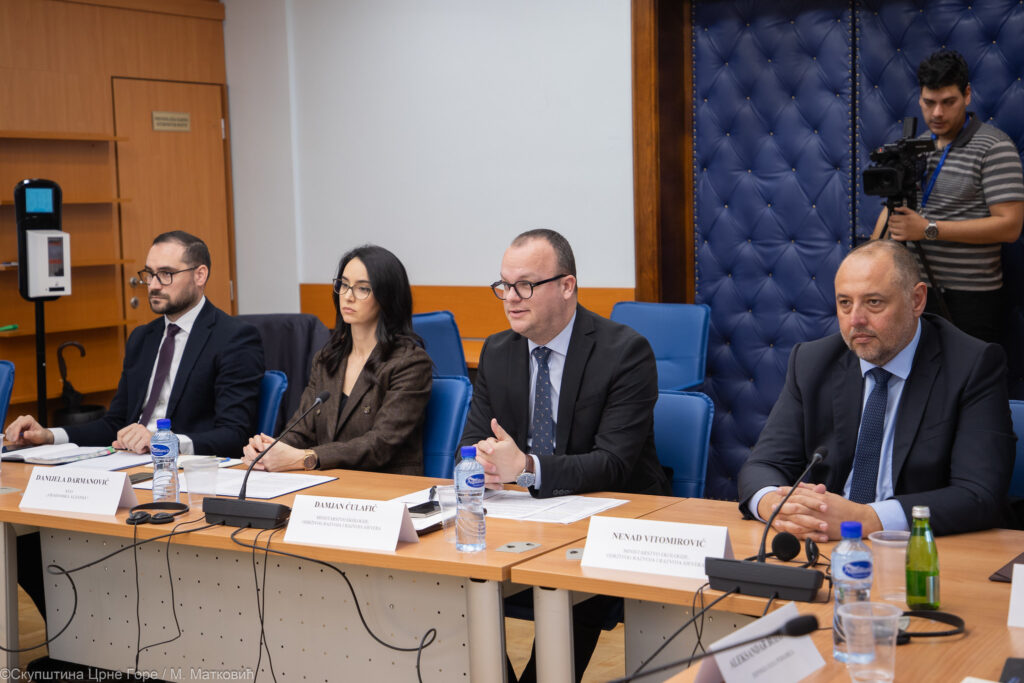
The effects of implementing the ban on plastic bags and single-use plastics, as well as the challenges in enforcing the law, were the focus of yesterday’s session of the Green Parliamentary Group, held at the initiative of the Civic Alliance.
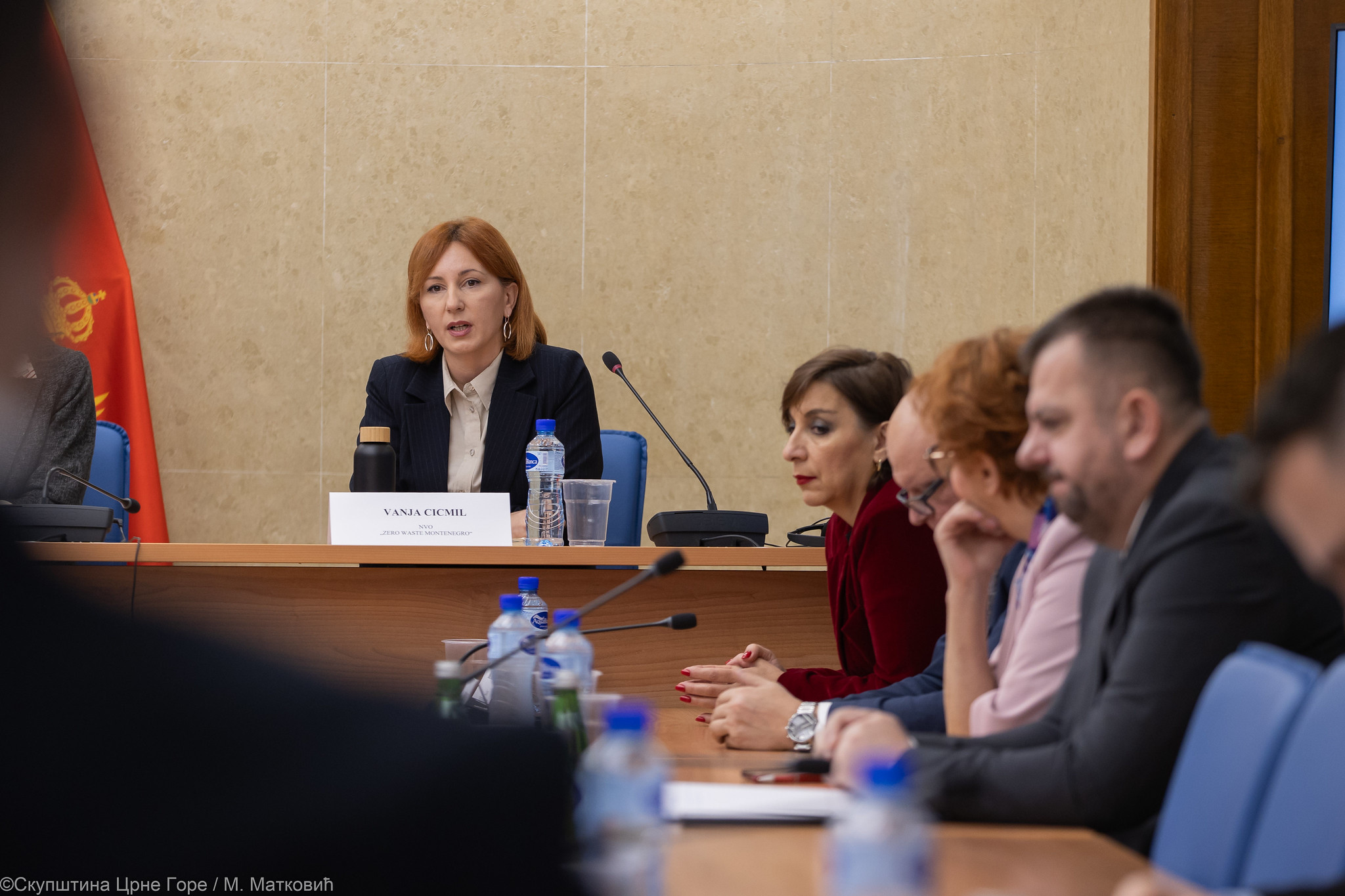
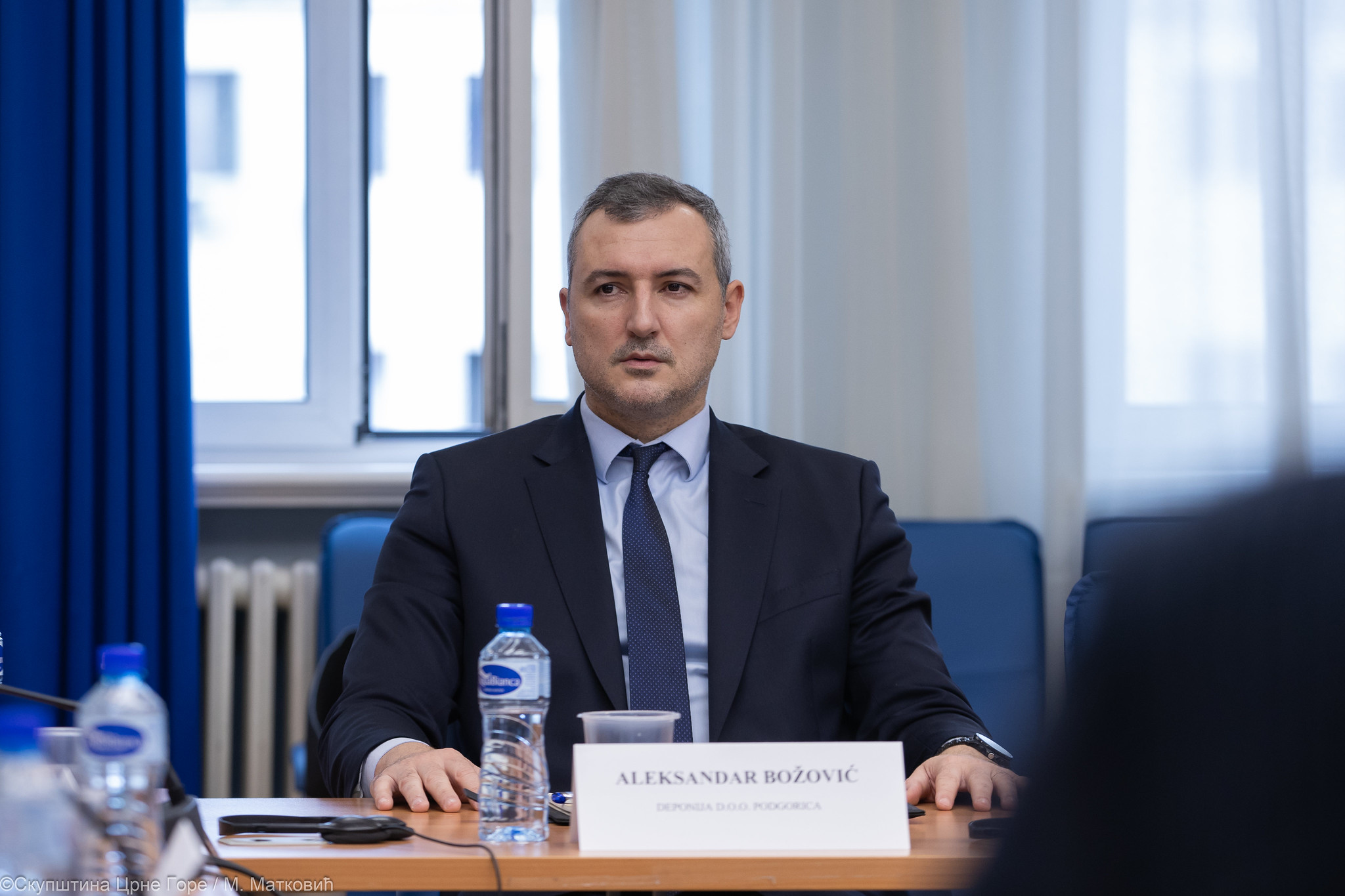
In addition to members of the Green Parliamentary Group and Civic Alliance representative Danijela Darmanović, the session was attended by the Minister of Ecology, Sustainable Development and Northern Development, Damjan Ćulafić; State Secretary Nenad Vitomirović; Acting Director General of the Directorate for Ecology, Lana Radunović; representative of the Environmental Protection Agency, Danilo Veljić; Assistant Director of the Eco-Fund, Nemanja Peković; Director of Deponija, Aleksandar Božović; and Executive Director of Zero Waste Montenegro, Vanja Cicmil.
The key issue raised by the Civic Alliance concerned whether the existing legal framework has truly led to a real reduction in plastic use, or whether Montenegro continues to face large amounts of plastic waste ending up in nature and potentially threatening the environment and public health. Particular focus was placed on plastic bags thicker than 50 microns, which are still allowed with a fee, and their overall environmental impact.
Starting from the fact that Montenegro has constitutionally defined itself as an ecological state for more than three decades, and that 2026 is recognized as particularly important in the context of closing negotiation Chapter 27 – Environment and Climate Change, it was emphasized that there is a need to reassess how close the country has come to that ideal. The general public perception is that, despite the legal ban and increased fees, plastic bags have not significantly disappeared from everyday use and continue to represent one of the dominant forms of waste.
The issue of environmental awareness was also raised, in light of concerns that, before a significant shift in citizens’ habits is achieved, even more plastic could potentially end up in the environment.
Attention was also drawn to the consistent implementation of the law and the effectiveness of inspection oversight. As an illustration of the challenges in practice, it was noted that even during the meeting itself, single-use plastic products such as cups and bottles were used, further confirming how difficult it is to enforce legal measures without a systemic change in approach. It was also highlighted that banned plastic products can still be found in certain hospitality and retail establishments, indicating the need for stronger control and more consistent enforcement of regulations at the local level.
For all these reasons, the Civic Alliance believes that the state must take a more decisive role and consider the possibility of further restricting or completely banning the use of plastic bags, while simultaneously strengthening enforcement mechanisms.
Vanja Cicmil informed members of the Green Parliamentary Group about the European Union’s regulatory framework in the field of packaging and packaging waste, including Directive 2015/720 and key measures of the new EU Packaging Regulation (EU 2025/40), whose implementation begins on August 12, 2026. She also presented comparative statistical data on per capita plastic bag consumption in EU countries, as well as examples of good practices that have delivered concrete results in reducing plastic waste. Particular attention was given to the situation in Montenegro and the role of competent institutions in implementing the existing legal framework, including the ban on plastic bags with a thickness of 15 to 50 microns, which began to be applied in October 2024.
Minister Ćulafić stated that available data indicate certain progress, noting that approximately 100 plastic bags per capita were previously used in Montenegro, while today the number is around 65, showing that the Ministry’s measures are already producing initial results. He recalled that at the end of 2024, a ban was introduced on plastic bags with a thickness between 15 and 50 microns, while a fee was imposed on thicker bags, along with the obligation of the Market Inspection to oversee the implementation of the regulations.
He also stated that, according to available data, more than one thousand inspections have been carried out, numerous misdemeanor orders have been issued, and proceedings have been initiated against entities that failed to comply with the law.
Aleksandar Božović emphasized that the share of plastic bags in the total waste they manage has significantly decreased compared to the previous period – by as much as 70 percent – indicating certain positive developments, but also the need for further system improvements.
Representatives of the Green Parliamentary Group assessed that this is an issue of broader importance, ranging from environmental protection and public health to public finances and European integration. Although the reduction in the number of bags per capita indicates progress, it was noted that there is considerable room for additional measures, including expanding the use of Eco-Fund resources, strengthening educational campaigns – especially among younger populations – encouraging the use of reusable bags, as well as potential amendments to the current Law on Waste Management.
The meeting concluded with a joint assessment that it is necessary to continue dialogue between institutions, civil society, and decision-makers in order to identify more effective solutions that will contribute to a real reduction in plastic use and the long-term protection of the environment in Montenegro.
This initiative is part of the project “Plastic Trace,” implemented by the Civic Alliance and funded by the Environmental Protection Fund – Eco Fund.