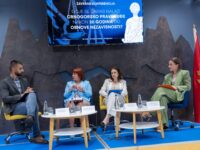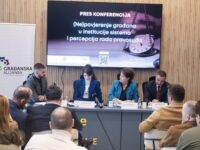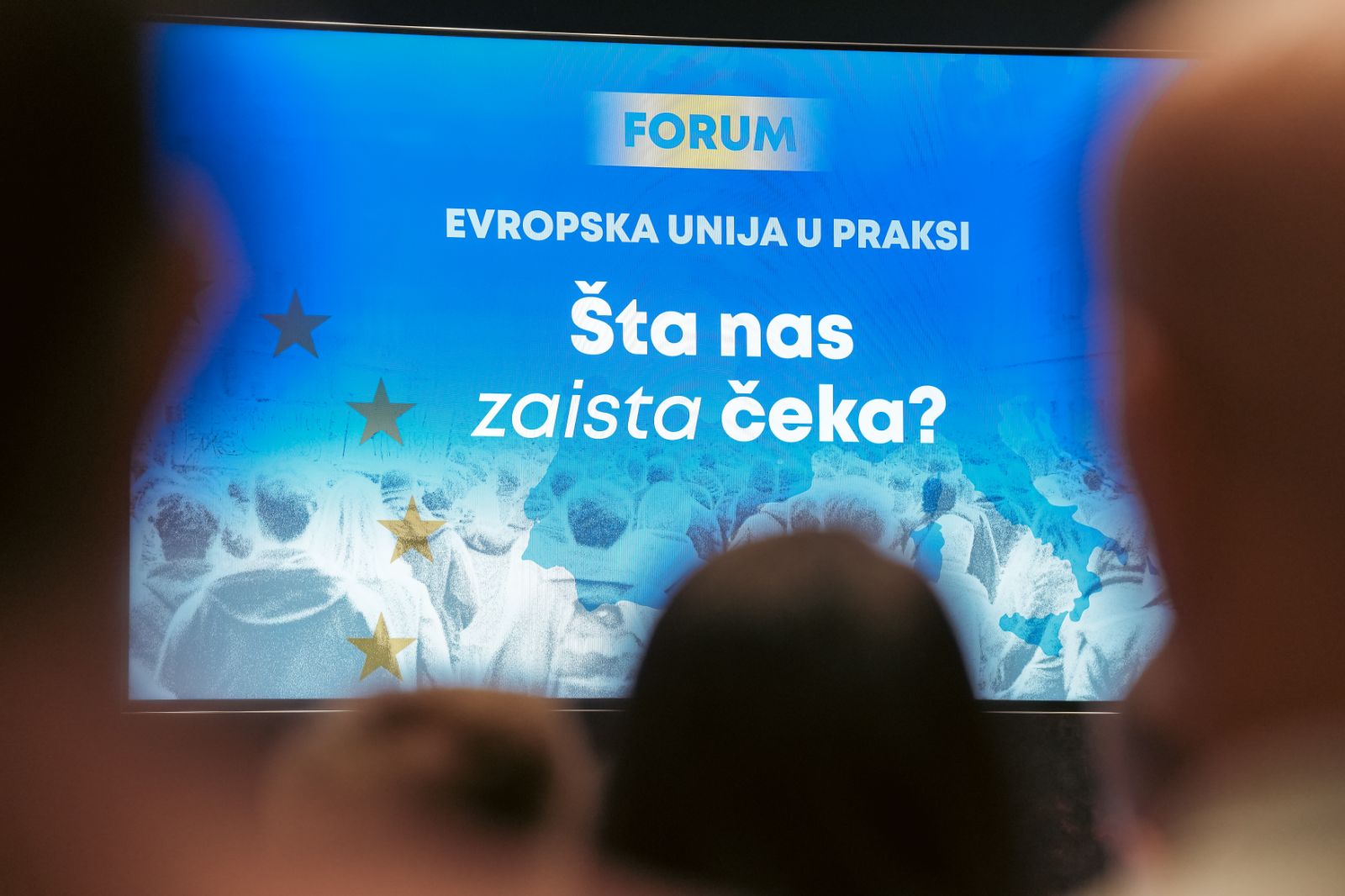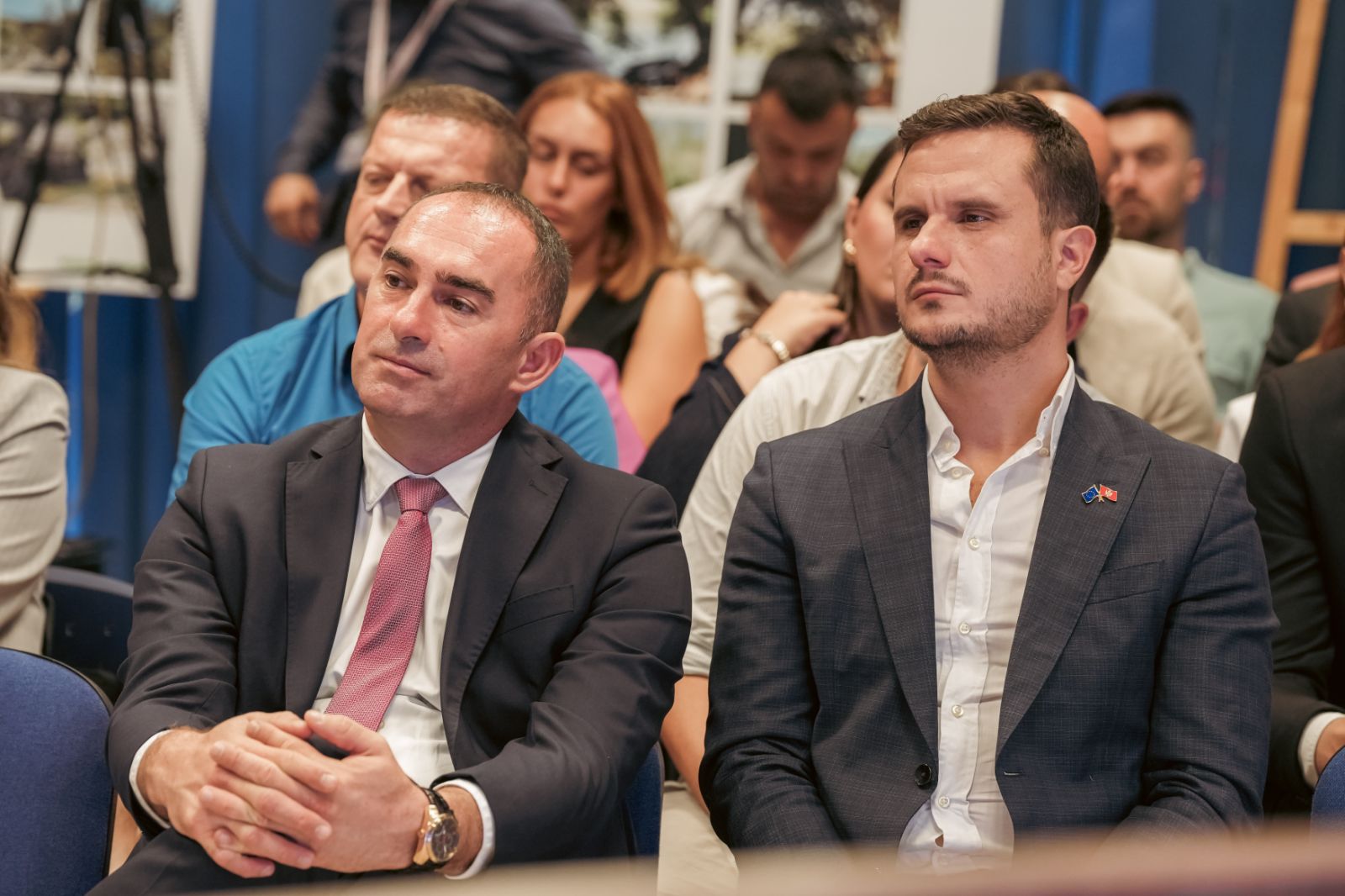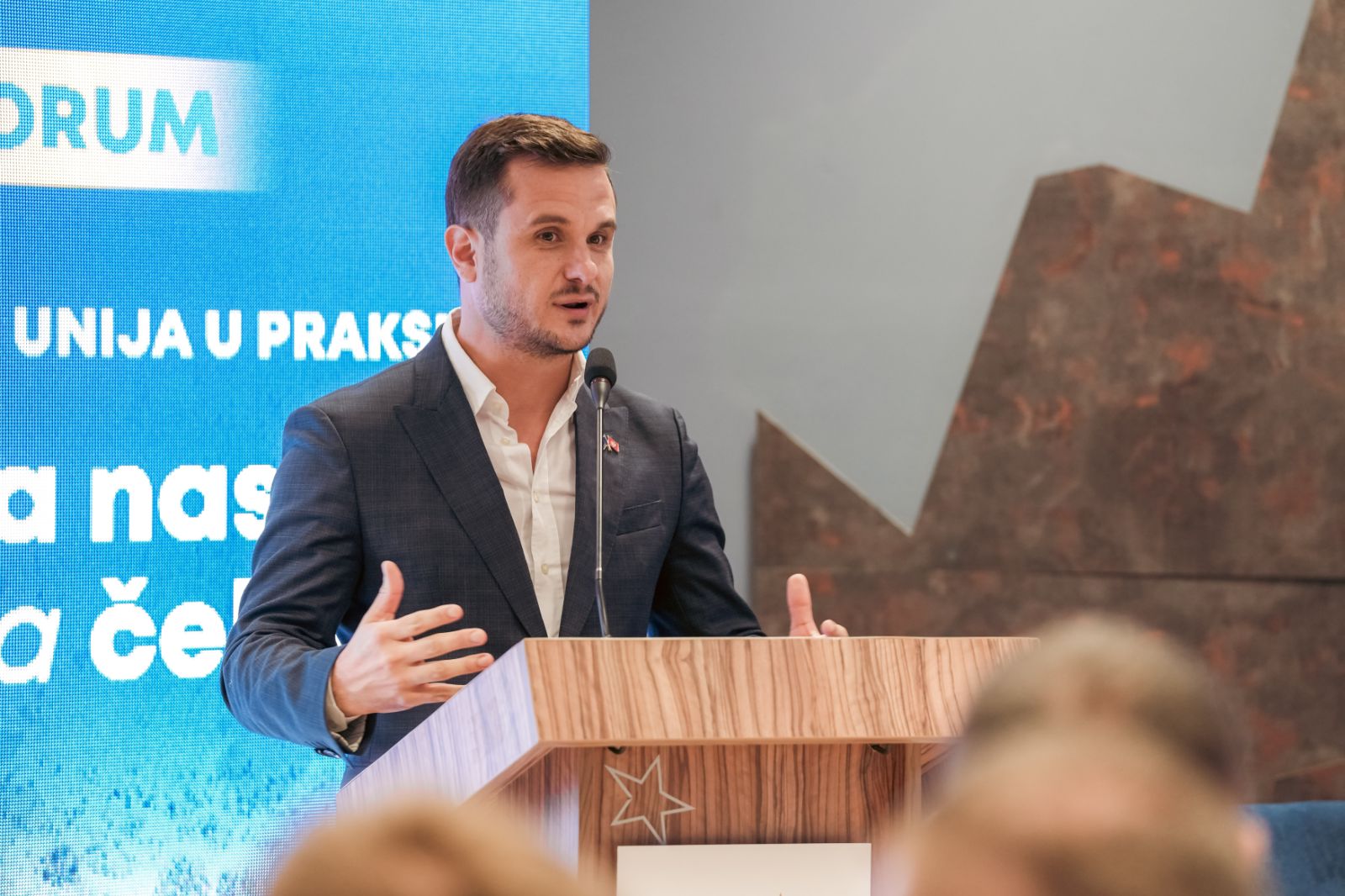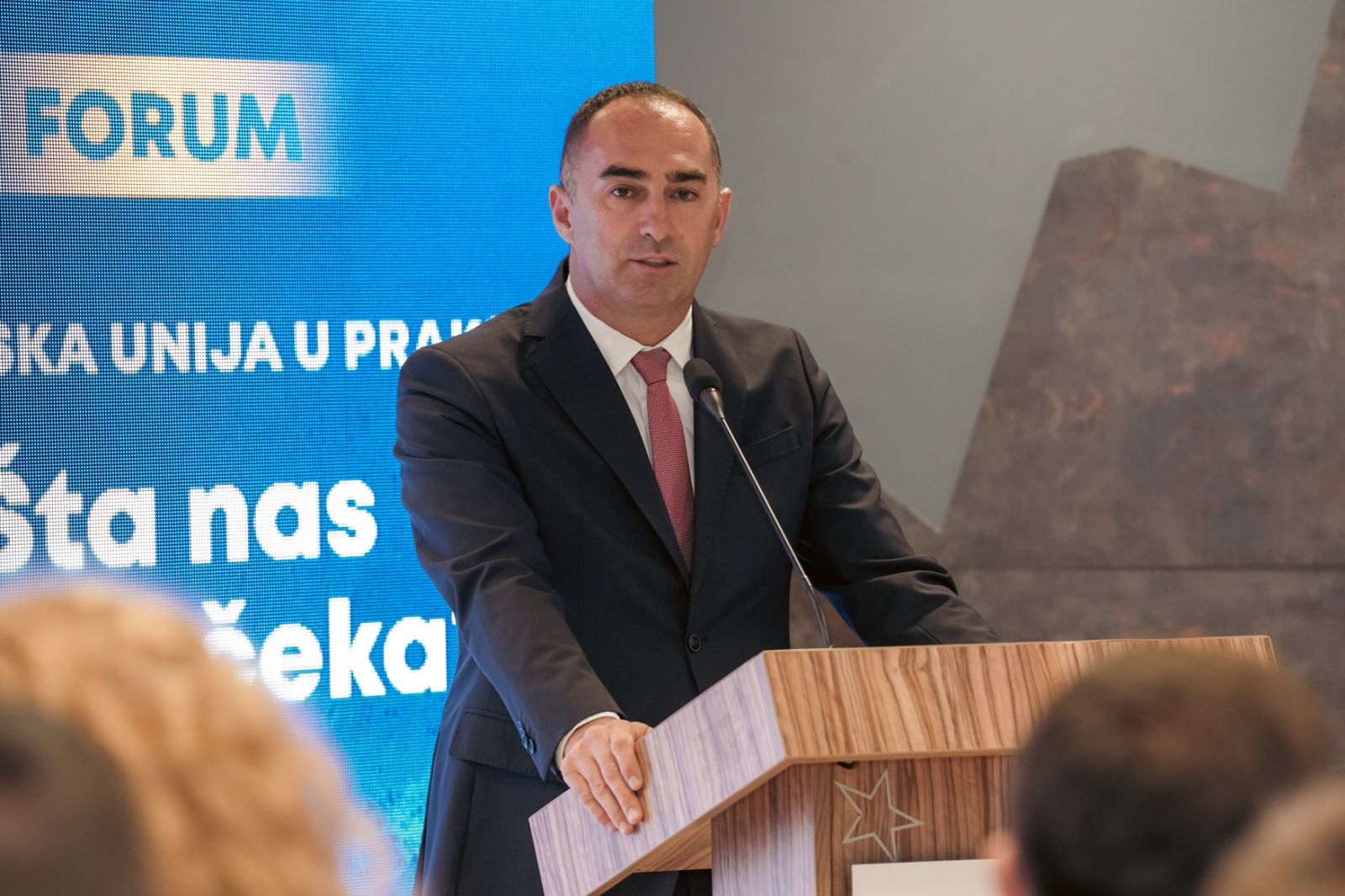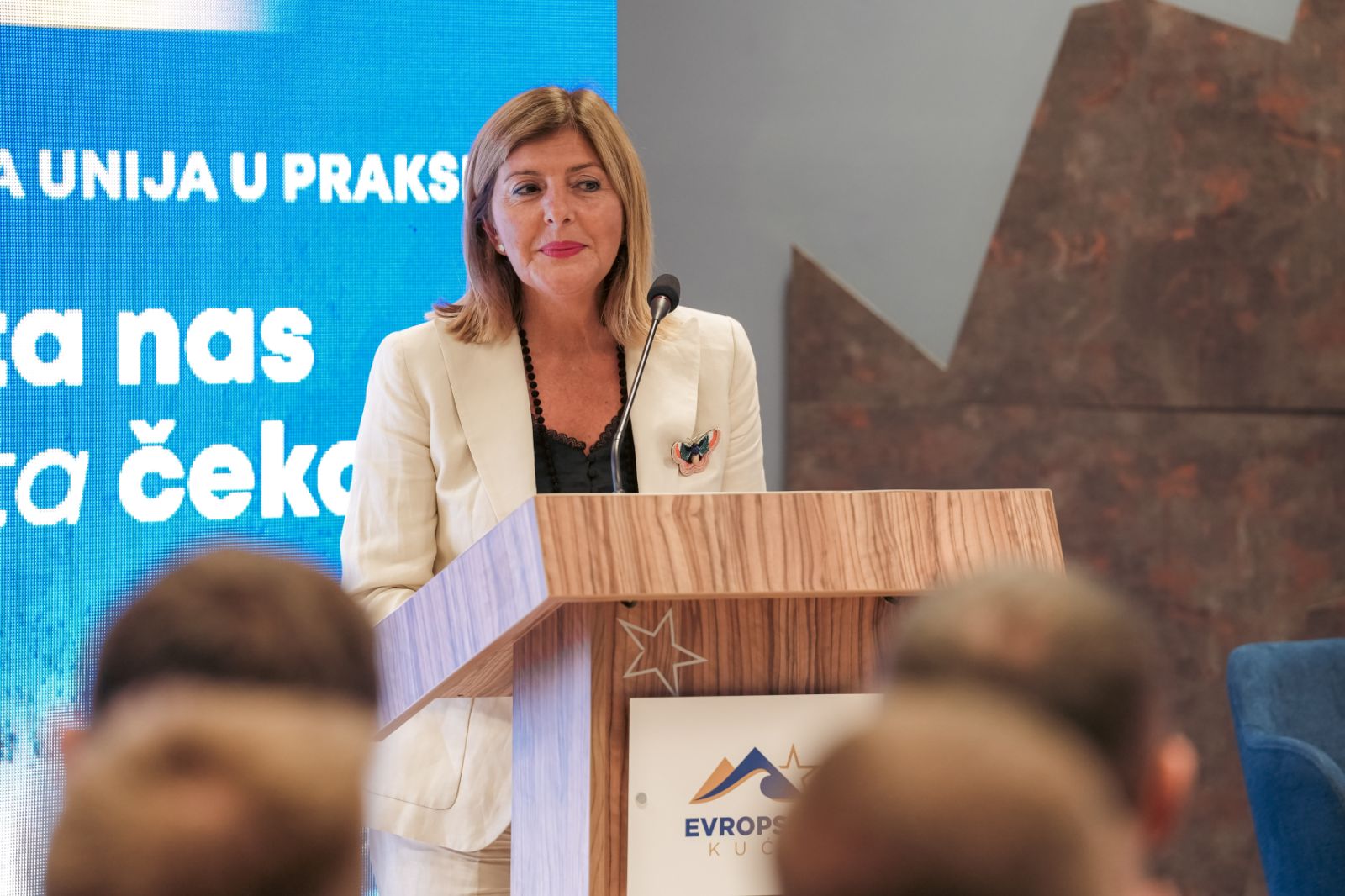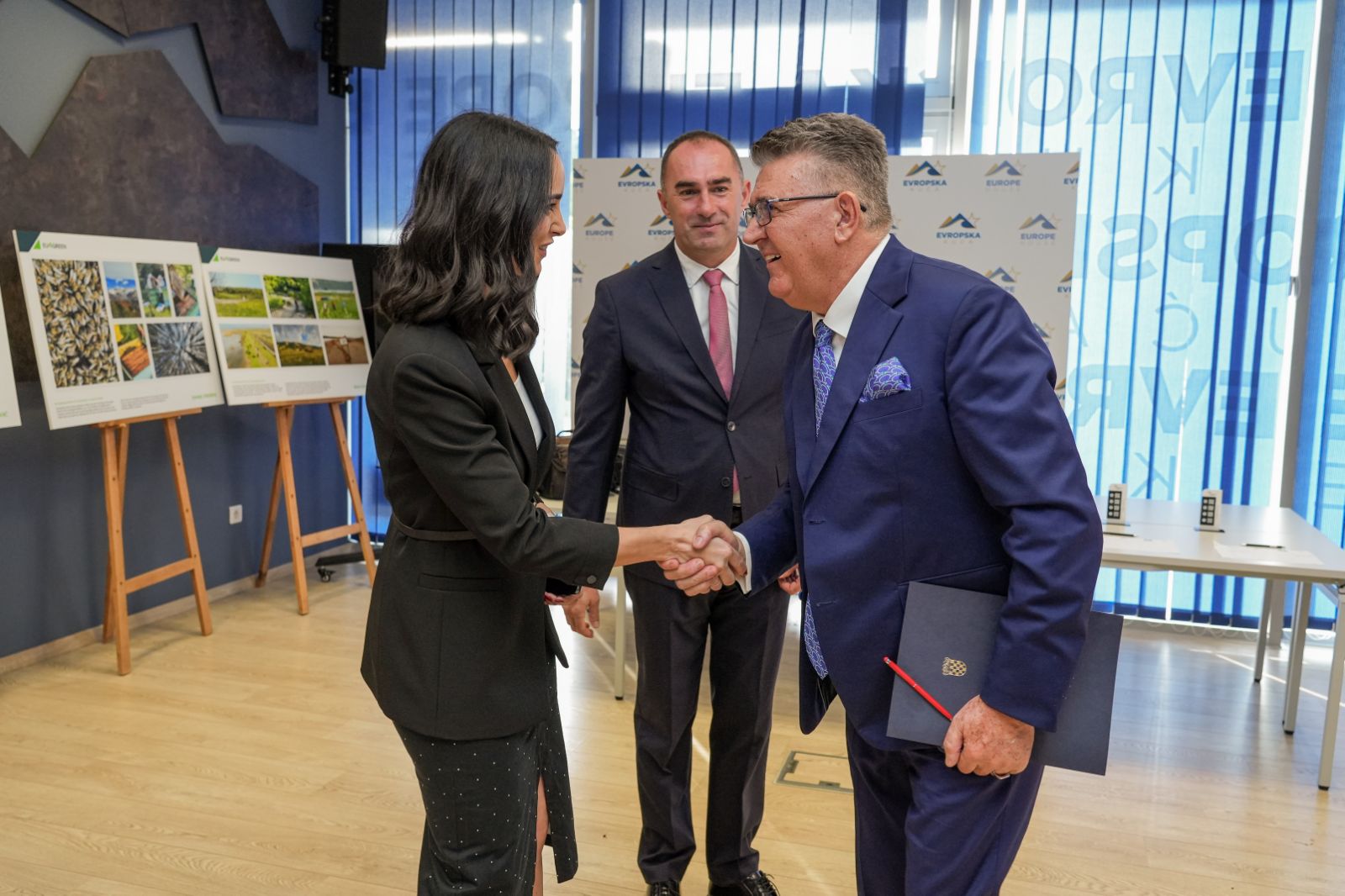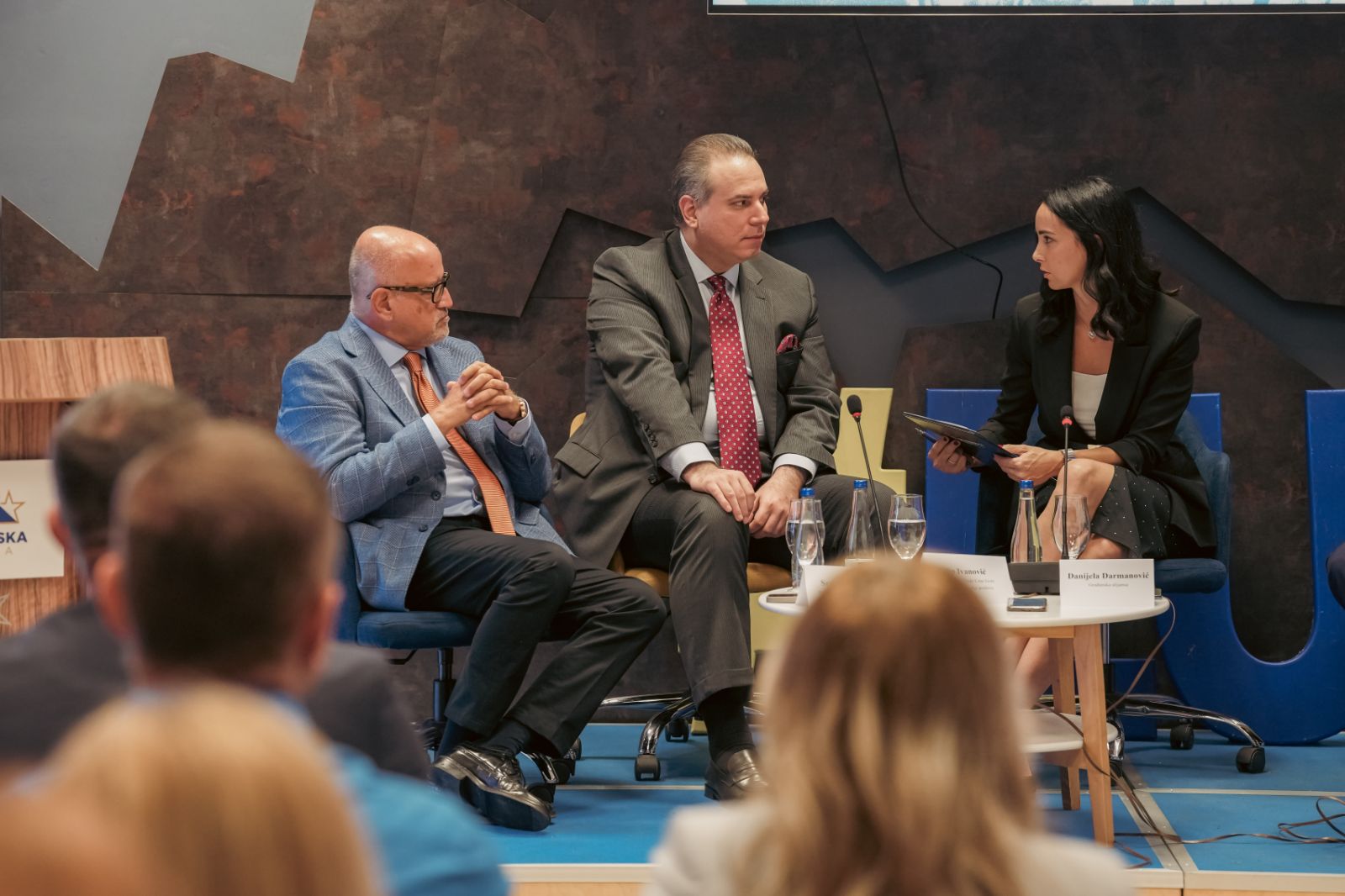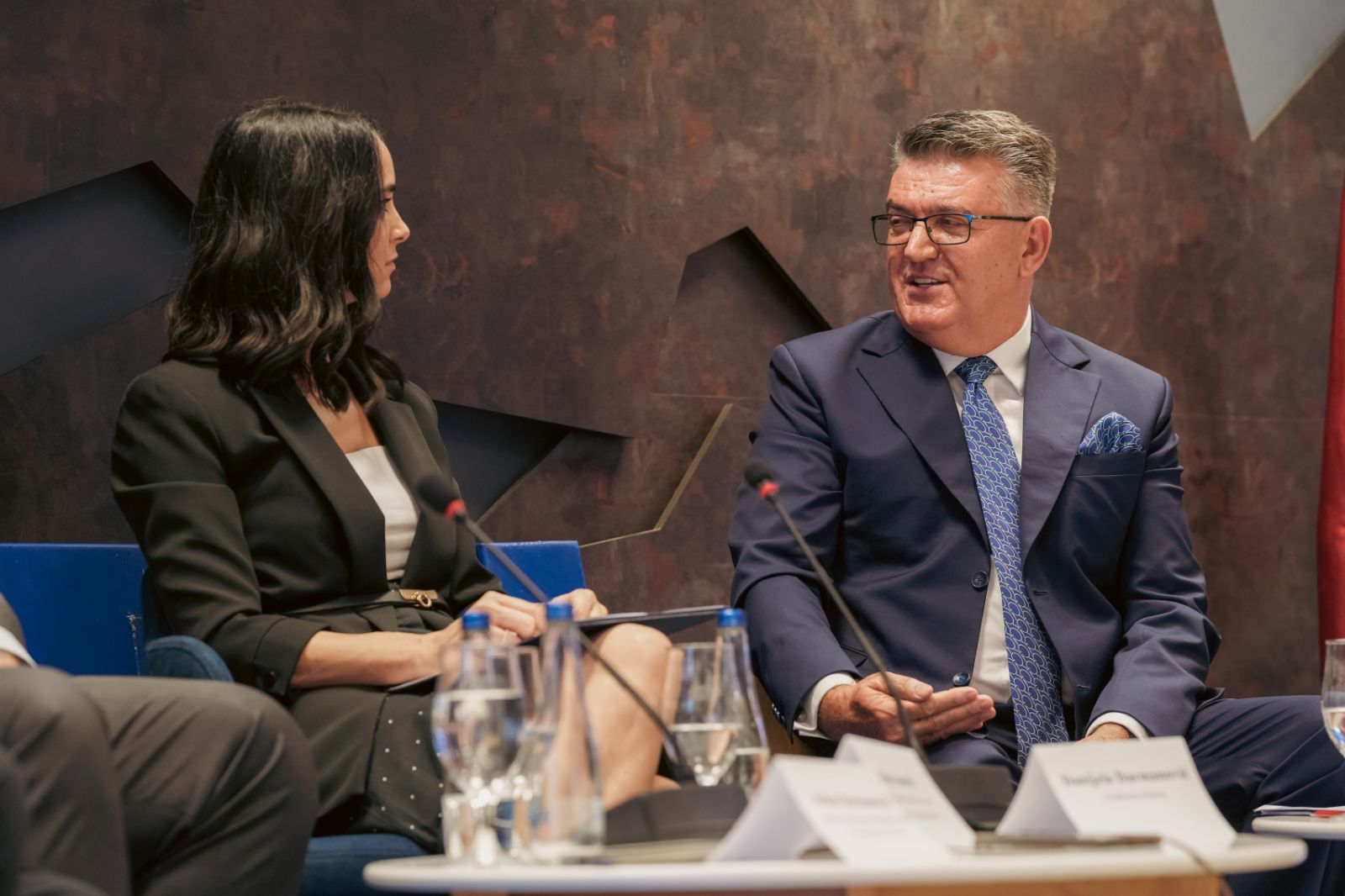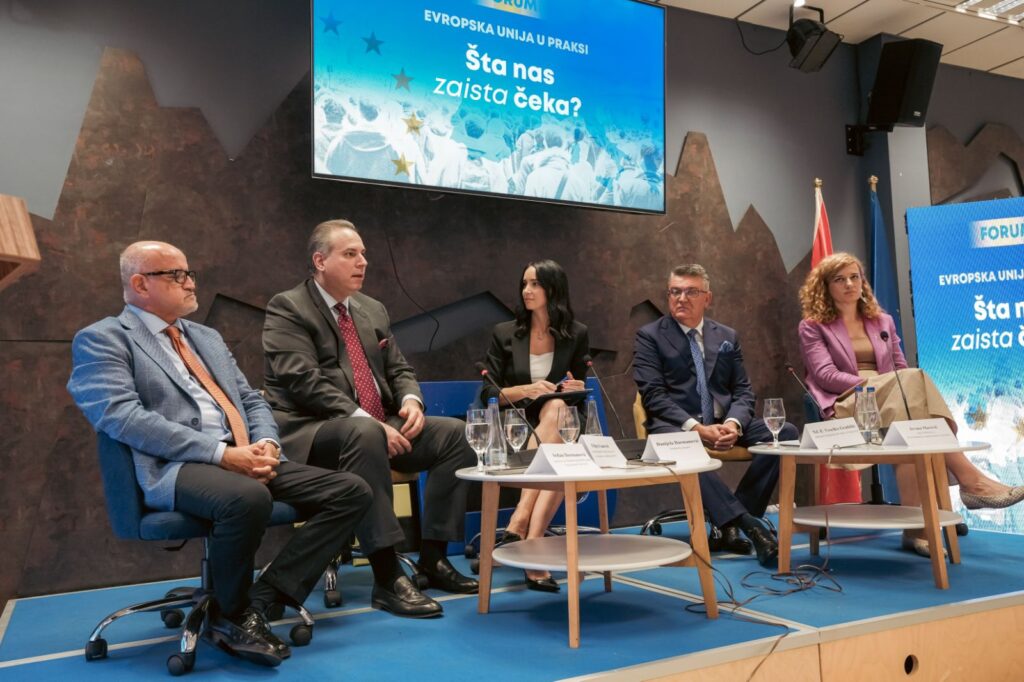
Following its accession to the European Union, Montenegro will face not only access to European funds, but also significant institutional and societal changes – from strengthening the rule of law and economic competitiveness to creating conditions that will encourage young people to stay and build their future at home. This was highlighted at the Forum “The European Union in Practice: What Truly Awaits Us?”, organized last night by Civic Alliance at Europe House.
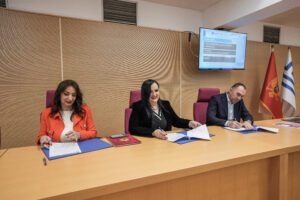
The Forum was opened by Milan Radović, Program Director of Civic Alliance, Predrag Zenović, Montenegro’s Chief Negotiator with the EU, and Lejla Dervišagić, Head of the Council of Europe Programme Office in Podgorica, officially marking the beginning of the 23rd generation of the School of Political Studies.
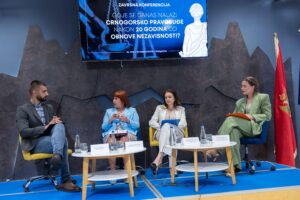
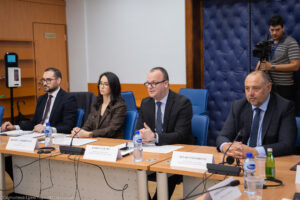
Panelists included Filip Ivanović, Deputy Prime Minister of Montenegro for Foreign and European Affairs; H.E. Veselko Grubišić, Ambassador of the Republic of Croatia to Montenegro; Srđan Darmanović, professor at the Faculty of Political Science of the University of Montenegro and former Minister of Foreign Affairs; and Jovana Marović, member of BiEPAG and former Minister of European Affairs of Montenegro.
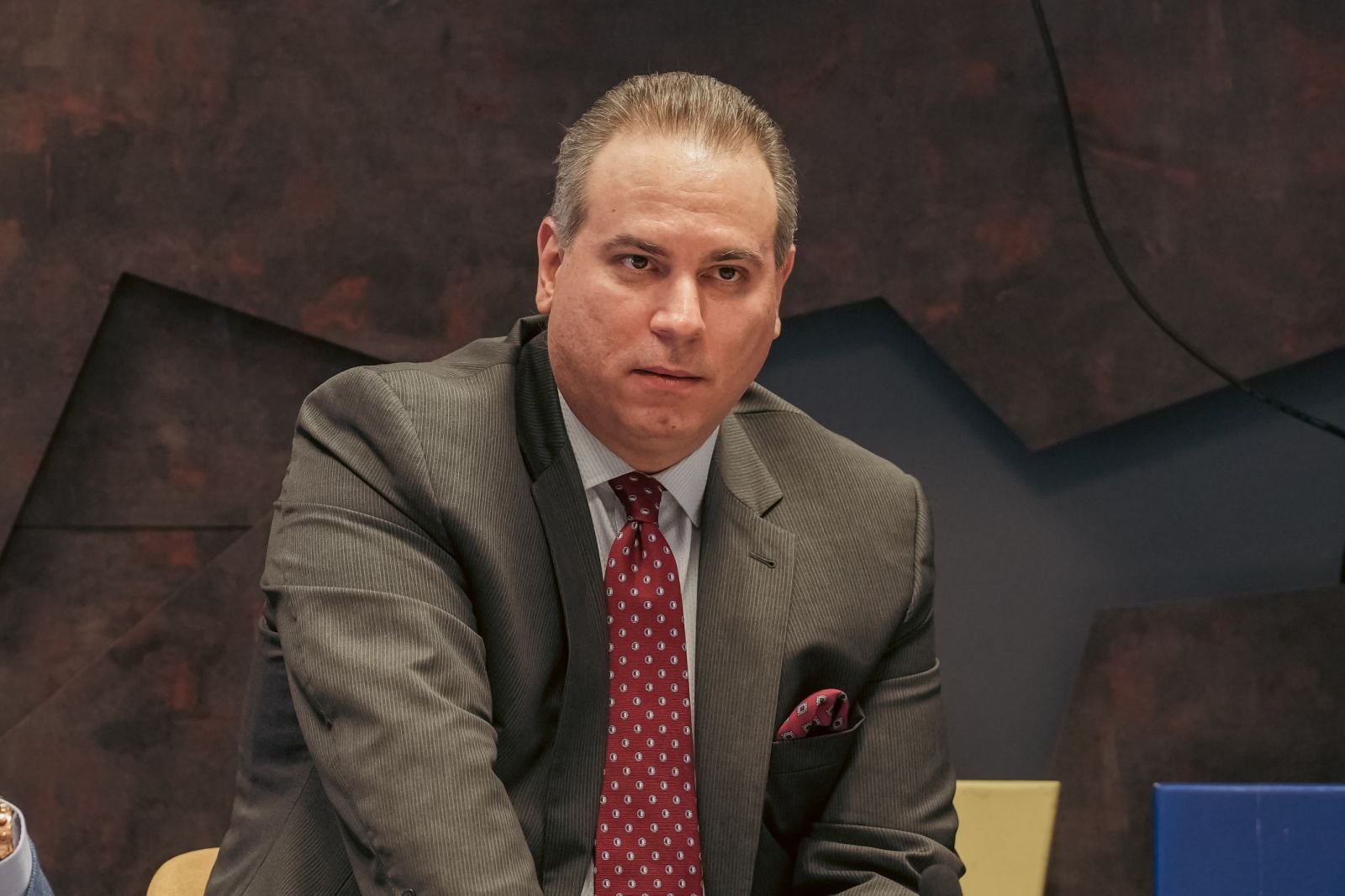
Commenting on the accelerated adoption of EU legislation in Parliament, Filip Ivanović emphasized that this is not merely a formal process, but one preceded by consultations and planning for practical implementation. “Not all laws are implemented from day one, as there are transitional periods, but in order to reach implementation, we must first adopt them,” he explained.
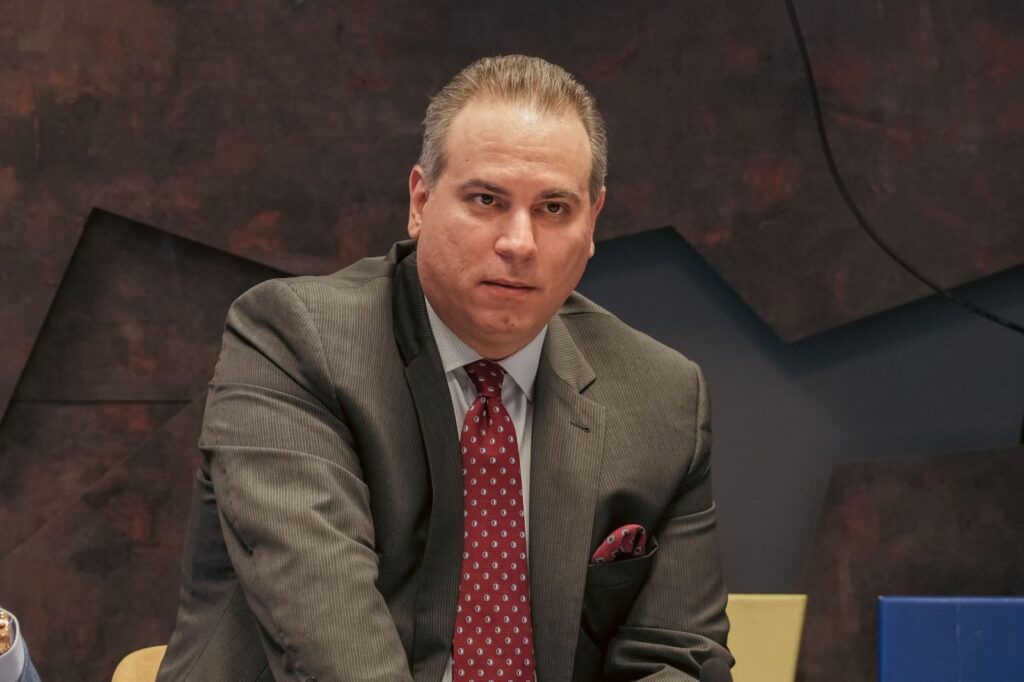
Speaking about administrative capacities, Ivanović noted that this will be one of Montenegro’s greatest challenges. Despite having a large public administration, additional training and education are needed.
“We are already considering expanding our representation in Brussels, which will need to be two to three times larger than it is today,” Ivanović stated.
Regarding demographic challenges and concerns about youth emigration, he stressed that the key lies in creating economic and social conditions that will motivate young people to remain in the country.
Ivanović added that the EU integration process is transformative not only institutionally, but also socially: “Reforms will require a change in mindset, improvement of behavioral culture, and the adoption of European standards in areas such as food safety and environmental protection. These are demanding processes, but they benefit citizens and society as a whole,” he said.
H.E. Veselko Grubišić recalled that Croatia’s negotiations lasted 69 months, noting that state administration was more prepared than local levels, while smaller municipalities often performed better than larger cities.
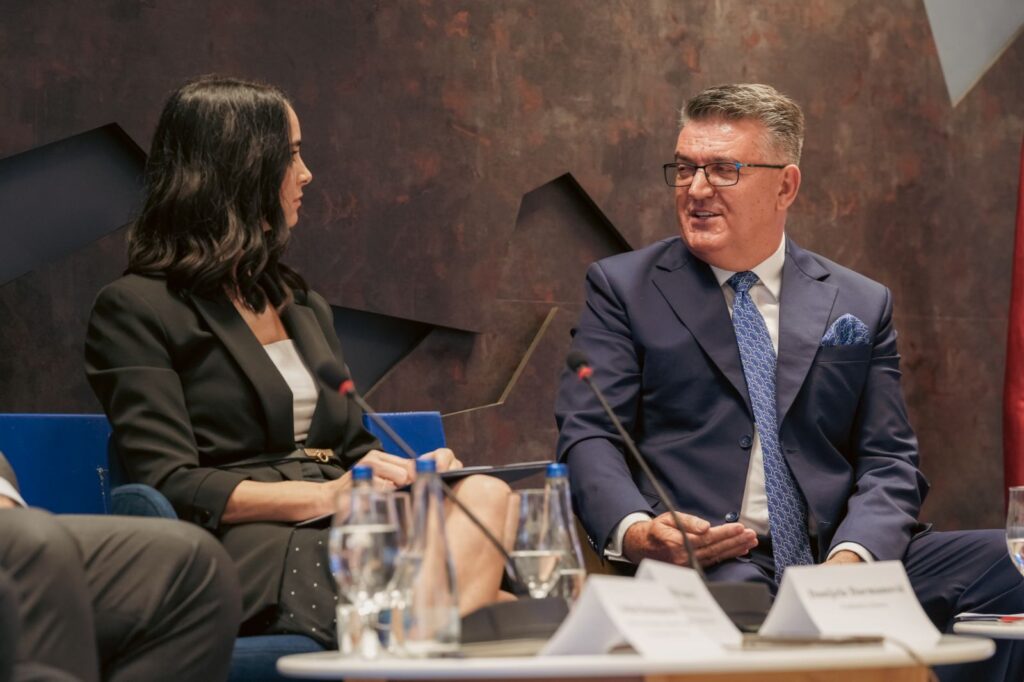
“After 12 years of membership, we can say we were prepared, but the EU is a living system undergoing constant reforms. In the early years, there was a sense that we were not using EU funds sufficiently, but today the balance is clear – Croatia is significantly in surplus when we consider how much we have received,” Grubišić stated.
Speaking about the economic and social effects of EU membership, the Ambassador assessed that the removal of customs barriers created numerous opportunities for domestic businesses. Today, Croatia generates more than two-thirds of its exports within the EU, and its pharmaceutical industry has grown significantly.
“The EU has contributed to making Croatian society more orderly and cleaner,” the Ambassador concluded.
Srđan Darmanović stated that the EU enlargement policy has always been its most successful policy, acknowledging that while this has been recognized, it has not always been consistently promoted. He noted that Montenegro is an ideal candidate due to its size, its non-threatening position in the region, and the fact that reforms can be implemented relatively quickly.
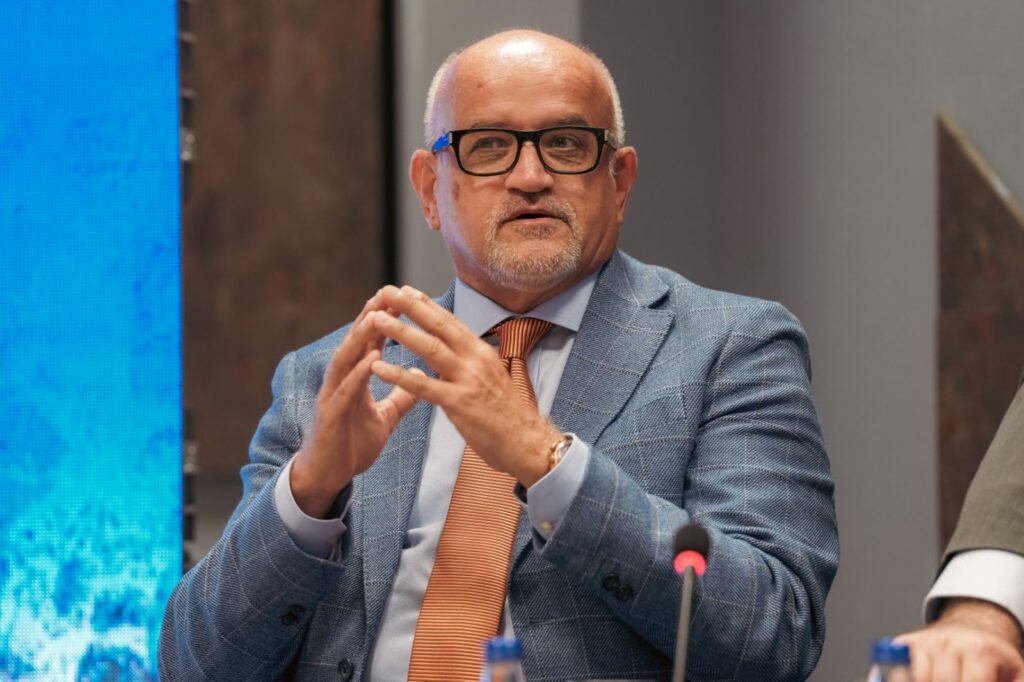
Commenting on the recent resolution by U.S. congressmen supporting Montenegro’s EU membership, Darmanović emphasized that nothing coming from the United States is merely symbolic, but rather carries significant weight.
He added that there are political and social actors who obstruct the EU integration process, whether through regional policies, attempts to revise recent history, or other actions.
Jovana Marović emphasized that Montenegro must meet the criteria in the area of rule of law and demonstrate seriousness in reforms.
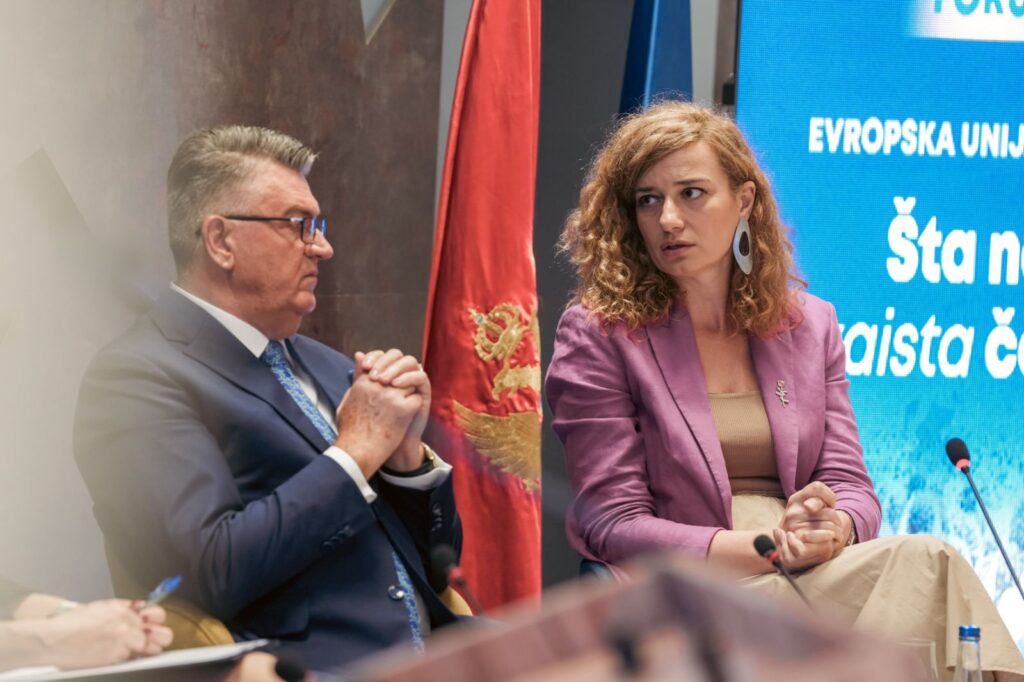
“It is necessary to show that we care about independent institutions, yet we currently have a dysfunctional Constitutional Court and years of delay in introducing vetting. The police are under strong political influence, and the Agency for the Prevention of Corruption is not an institution whose work we can be satisfied with. Decisive actions are needed to clearly demonstrate that we are different and that we are removing political influence. We cannot go faster, but I believe we can do better,” she said.
She noted that although citizens support EU accession, there are challenges in embracing European values: “We must work on strengthening European values and capacities for project management, as we currently lack a clear vision of priorities.” She added that reforms will require transitional periods, and that accession to Schengen does not automatically grant rights, but that some aspects will still need to be secured.