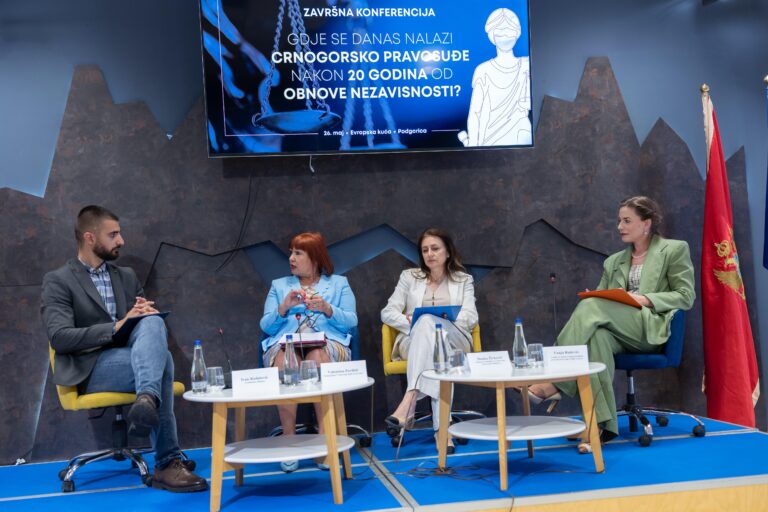
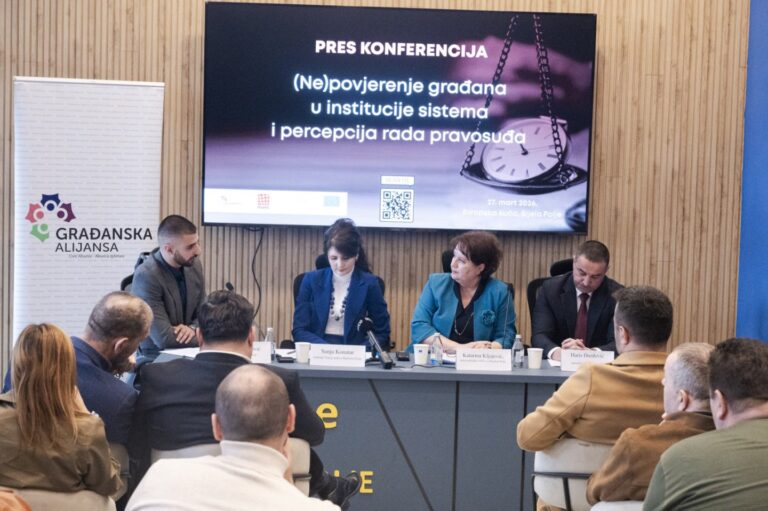
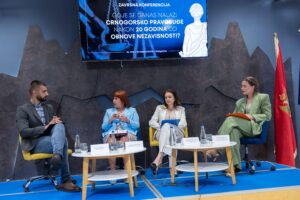
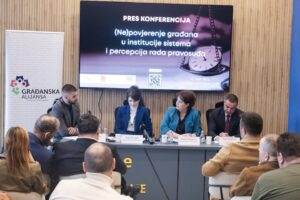
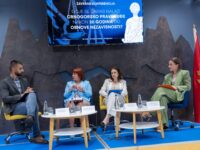
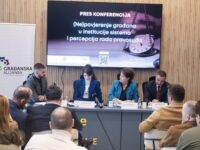
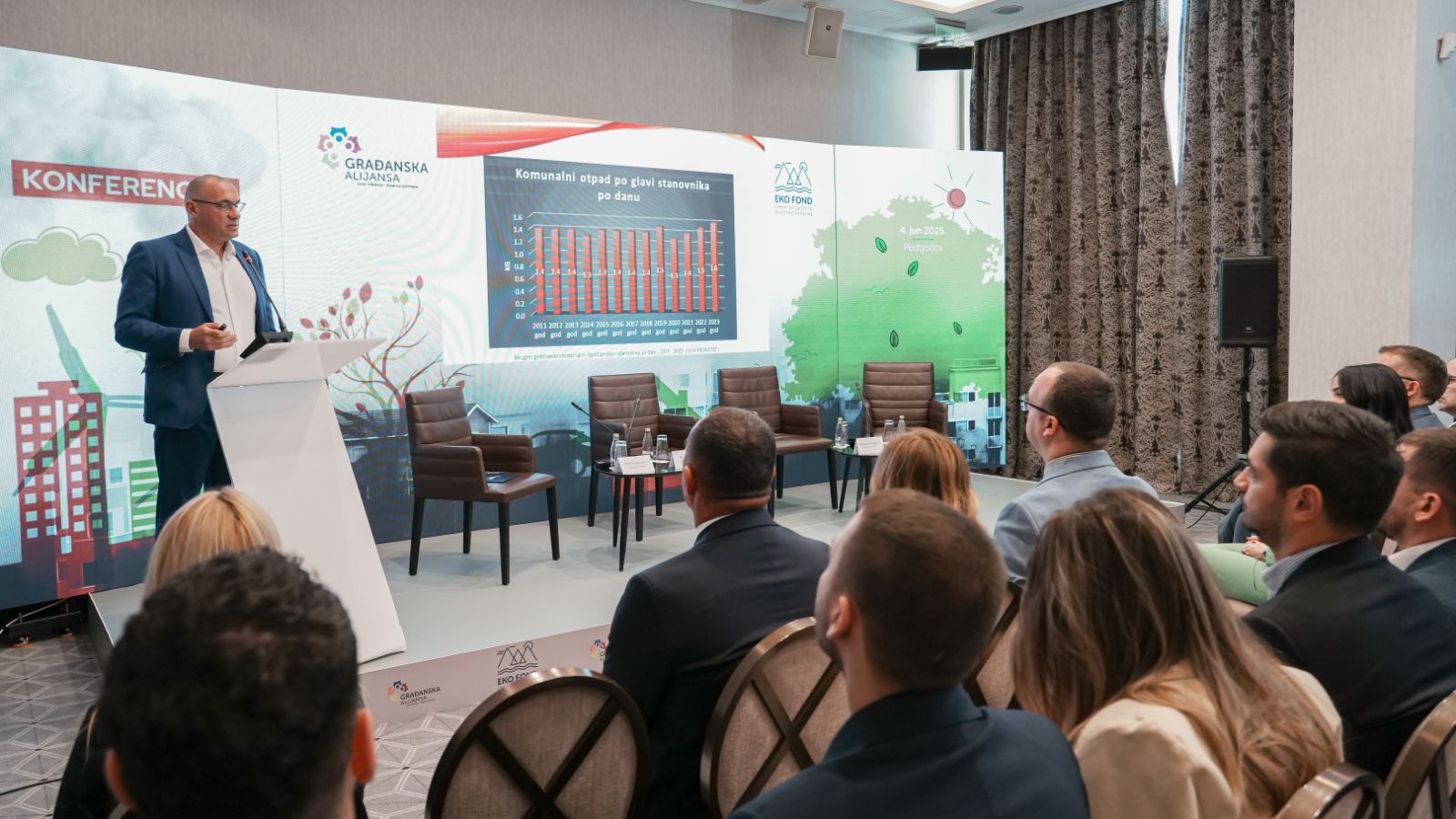
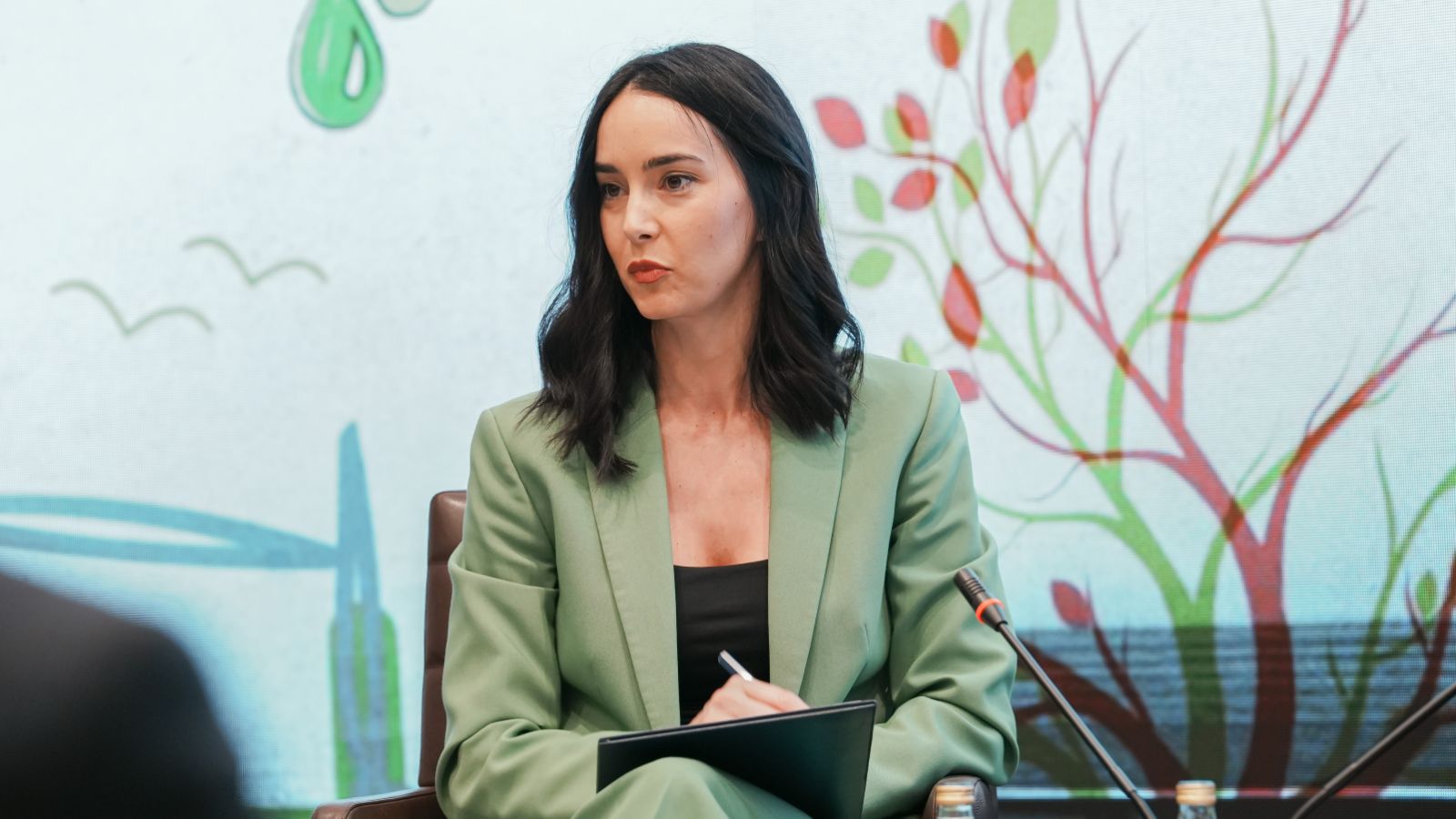
“To implement the green transition, synergy among all stakeholders is needed – institutions, citizens, civil society, and the media. With political courage, knowledge, and consistency from those leading the process, Montenegro can reach tangible European green standards within the next ten years,” was concluded at the conference titled “Is There a Long Road from Reality to a Green Future?”, organized today by Civic Alliance in Podgorica.
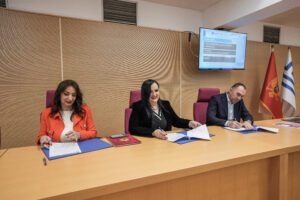
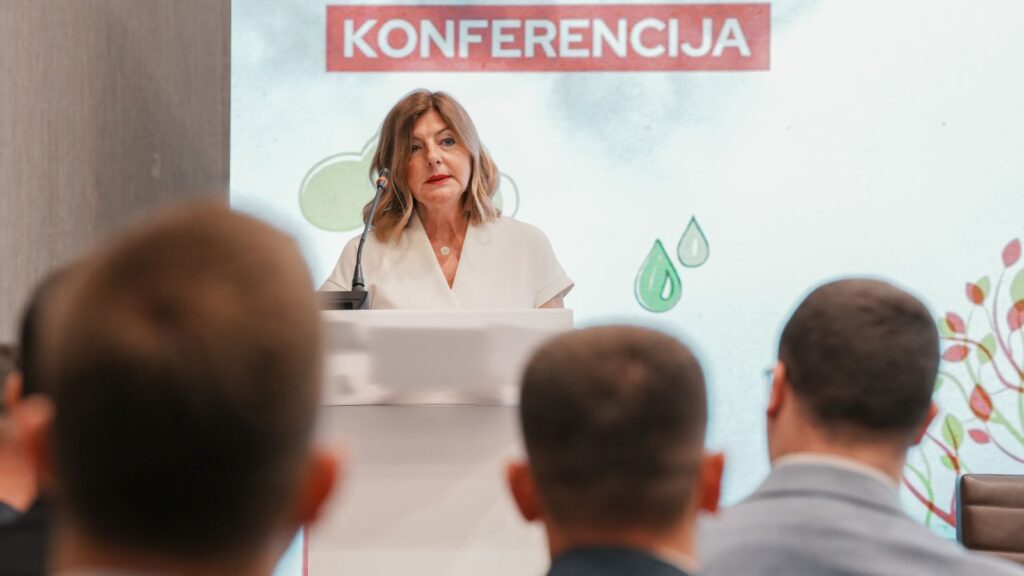
The conference was opened by Milan Radović, Program Director of Civic Alliance; Damjan Ćulafić, Minister of Ecology, Sustainable Development and Northern Development; and Lejla Dervišagić, Head of the Council of Europe Programme Office.
Damjan Ćulafić highlighted the important role of the NGO sector in promoting green policies. He also emphasized that the path from reality to a green future involves a wide range of actors – from institutions and the private sector to local communities and every individual citizen.
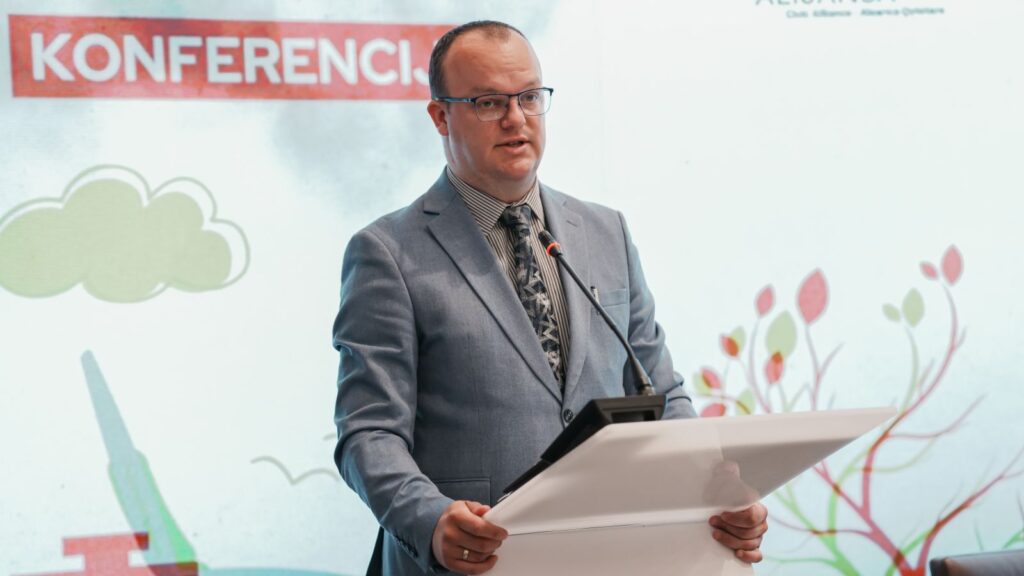
Milan Radović noted that Montenegro has been discussing the necessity of the green transition for years, as well as the need to protect what defines it as an ecological state – its nature, air, waters, mountains, and sea.

“Between declarations and real change, there are often obstacles: political inertia, insufficient investment, low environmental awareness, corruption in spatial planning, and the ignoring of expert and civil society recommendations,” Radović stated.
Lejla Dervišagić pointed to the strong link between the Council of Europe’s human rights mandate and environmental protection. She recalled that in Reykjavík in 2023, a Declaration was adopted in which the Council of Europe reaffirmed its commitment to this issue, emphasizing that environmental protection cannot be separated from fundamental human rights, and that a healthy environment is a basic human right.
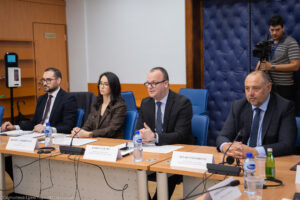
Panelists included Aleksandra Despotović, Member of Parliament of Montenegro and member of the Committee on Tourism, Agriculture, Ecology and Spatial Planning; Draško Boljević, Director of the Environmental Protection Fund of Montenegro (Eco Fund); and Danko Jokanović, Executive Director of NGO UZOR.
Speaking about the key obstacles preventing the concept of an “ecological state” from becoming a genuine foundation of public policy, Aleksandra Despotović emphasized the importance of balancing economic development and environmental protection, as well as the need to build public awareness starting from early education, including kindergartens, and through education and public policies.
“In addition to political will, it is essential that this area be led by people who understand it. If governments change, we must not automatically replace people who have knowledge and deliver results. Expertise must be placed above politics,” she stated.
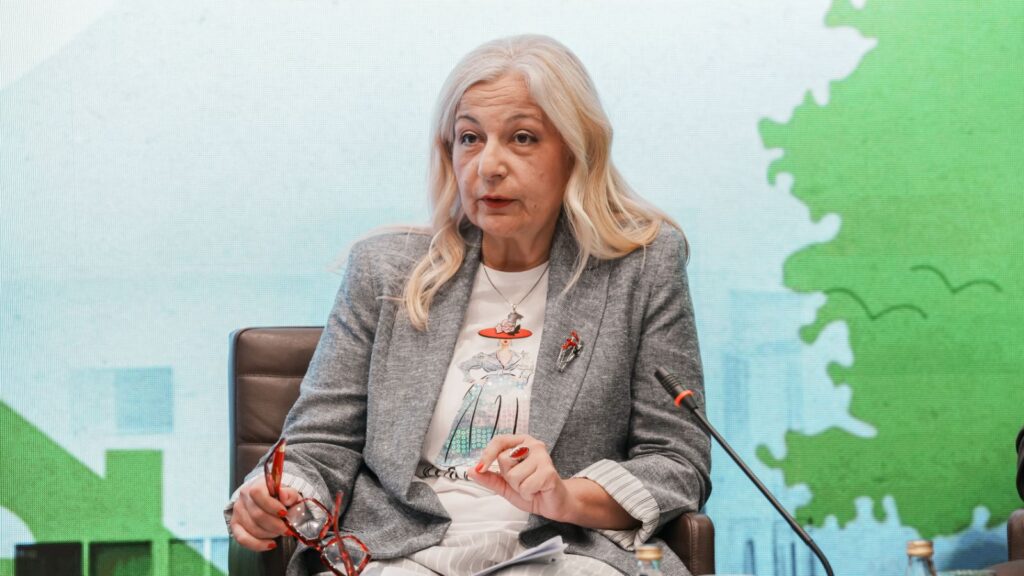
According to Draško Boljević, the Eco Fund has recorded significant growth in citizens’ interest in energy efficiency measures over the past four years – from just five applications in 2021 to more than 4,000 today. However, financial benefits remain the primary motivation for citizens, while the importance of environmental benefits is still insufficiently recognized.
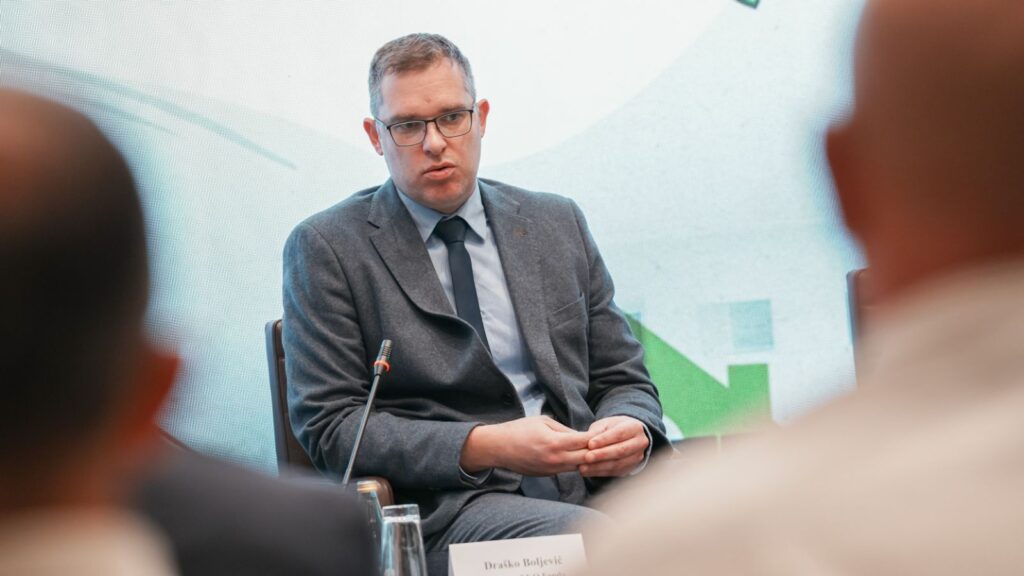
He added that in the coming period, the Eco Fund will allocate funds collected from plastic bag fees to projects aimed at raising public awareness, in cooperation with civil society and local communities. Their goal, he noted, is to bridge the gap between attitudes and concrete action.
Danko Jokanović stated that it is discouraging that after more than 30 years, public trust in the concept of an ecological state has declined.
Speaking about how to bring green policies closer to citizens, he emphasized that people will not support the green transition until they feel a personal benefit and clearly understand its importance.
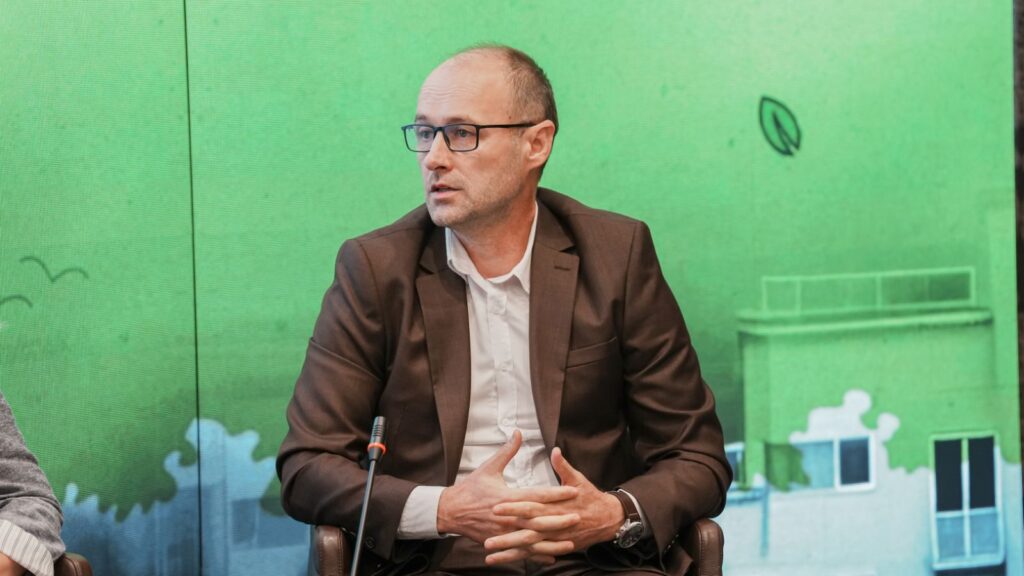
Jokanović added that non-governmental organizations should be equal partners to state institutions on the path toward green transition and European standards, as they can help overcome challenges when citizens do not understand the process—because when they do not understand it, they tend to oppose it.
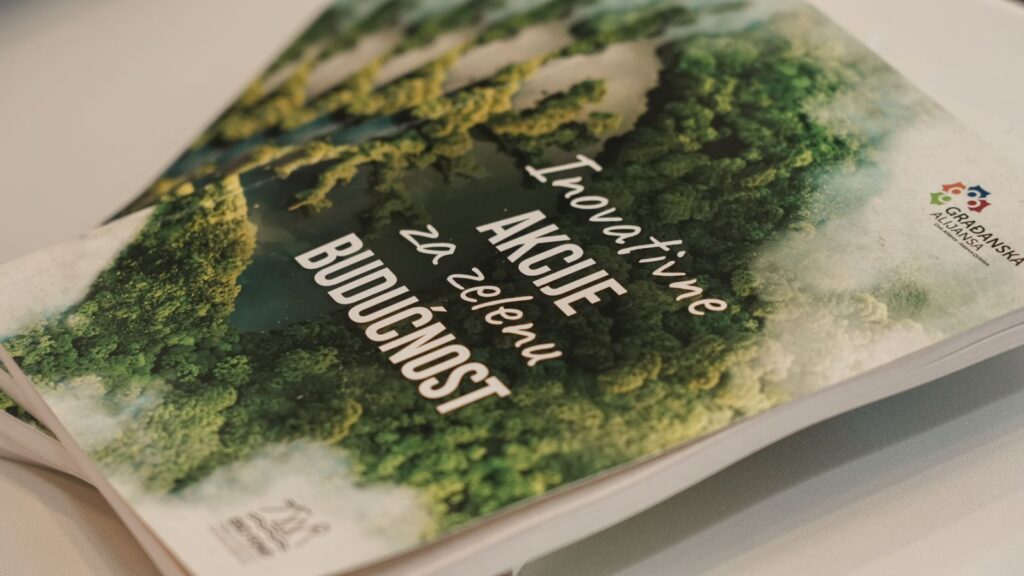
At the conference, the analysis “Innovative Actions for a Greener Future” was presented, addressing one of today’s most pressing environmental and infrastructural challenges – waste management. The analysis is available on the official website of Civic Alliance.
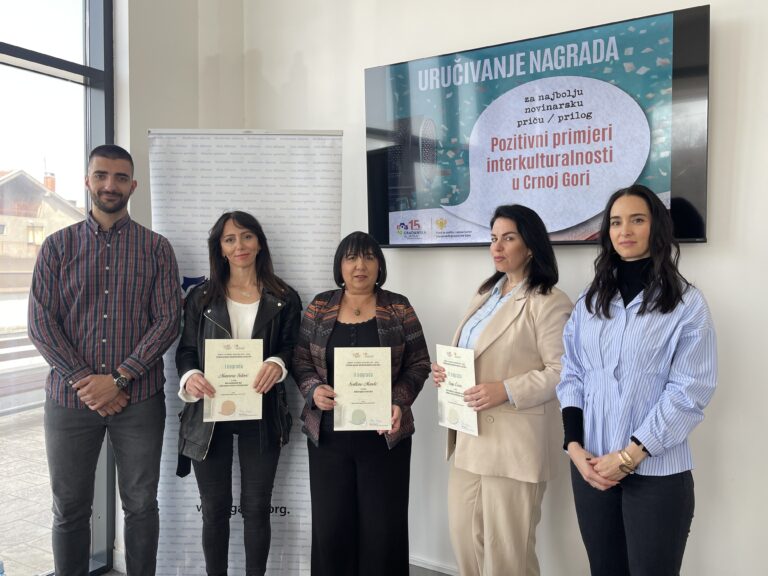
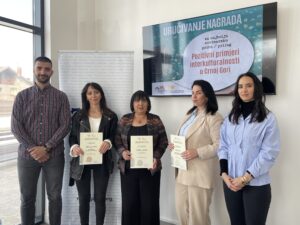
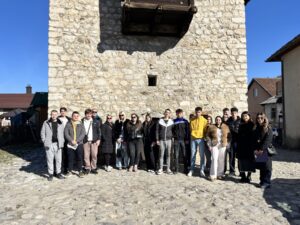
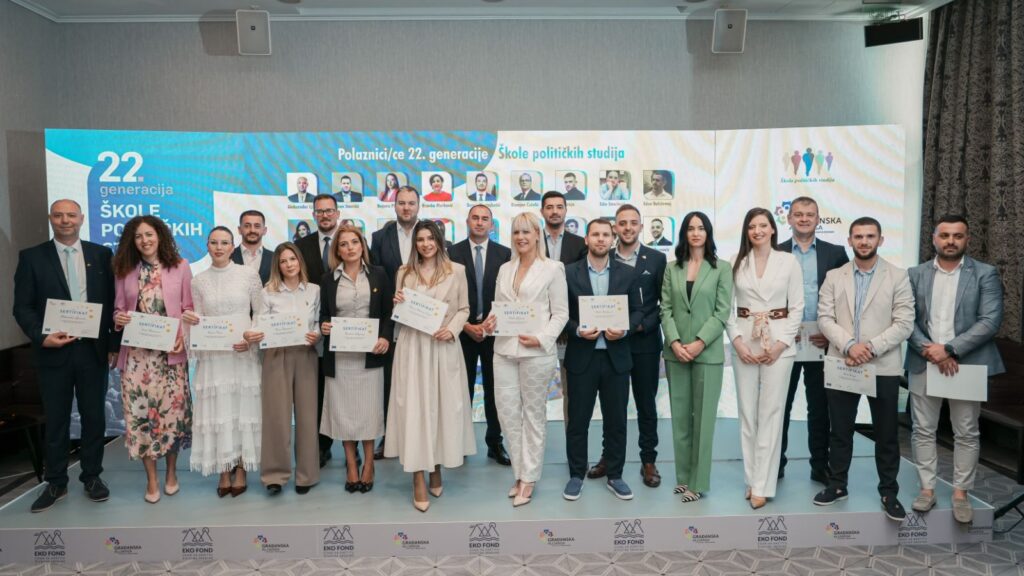
The event concluded with a formal awarding of certificates to participants of the 22nd generation of the School of Political Studies, who successfully completed the 2024/2025 cycle.
The conference was organized with the support of the Environmental Protection Fund of Montenegro (Eco Fund), through the project “Innovative Actions for a Greener Future”, implemented by Civic Alliance.