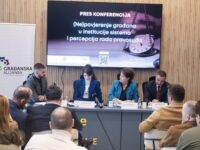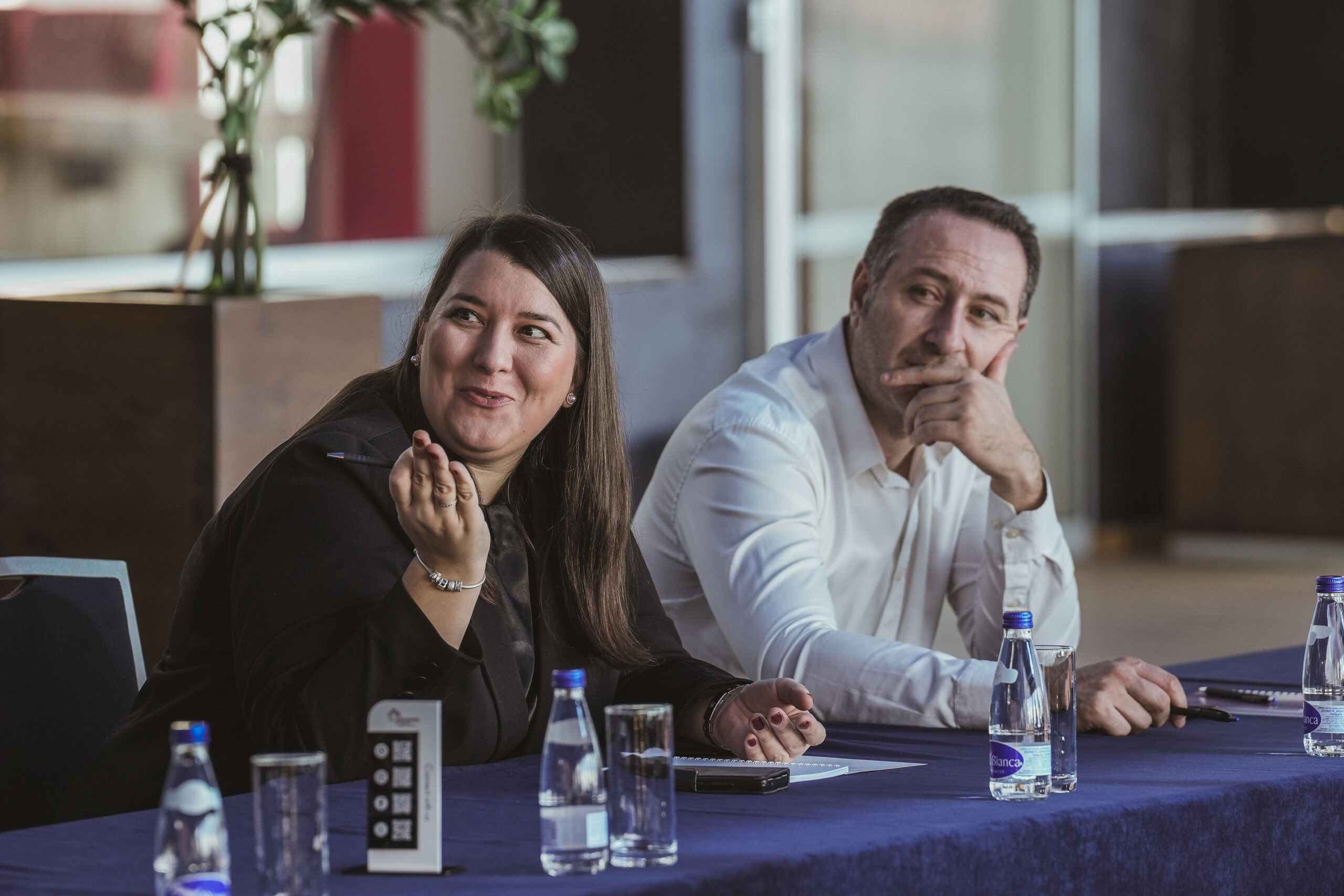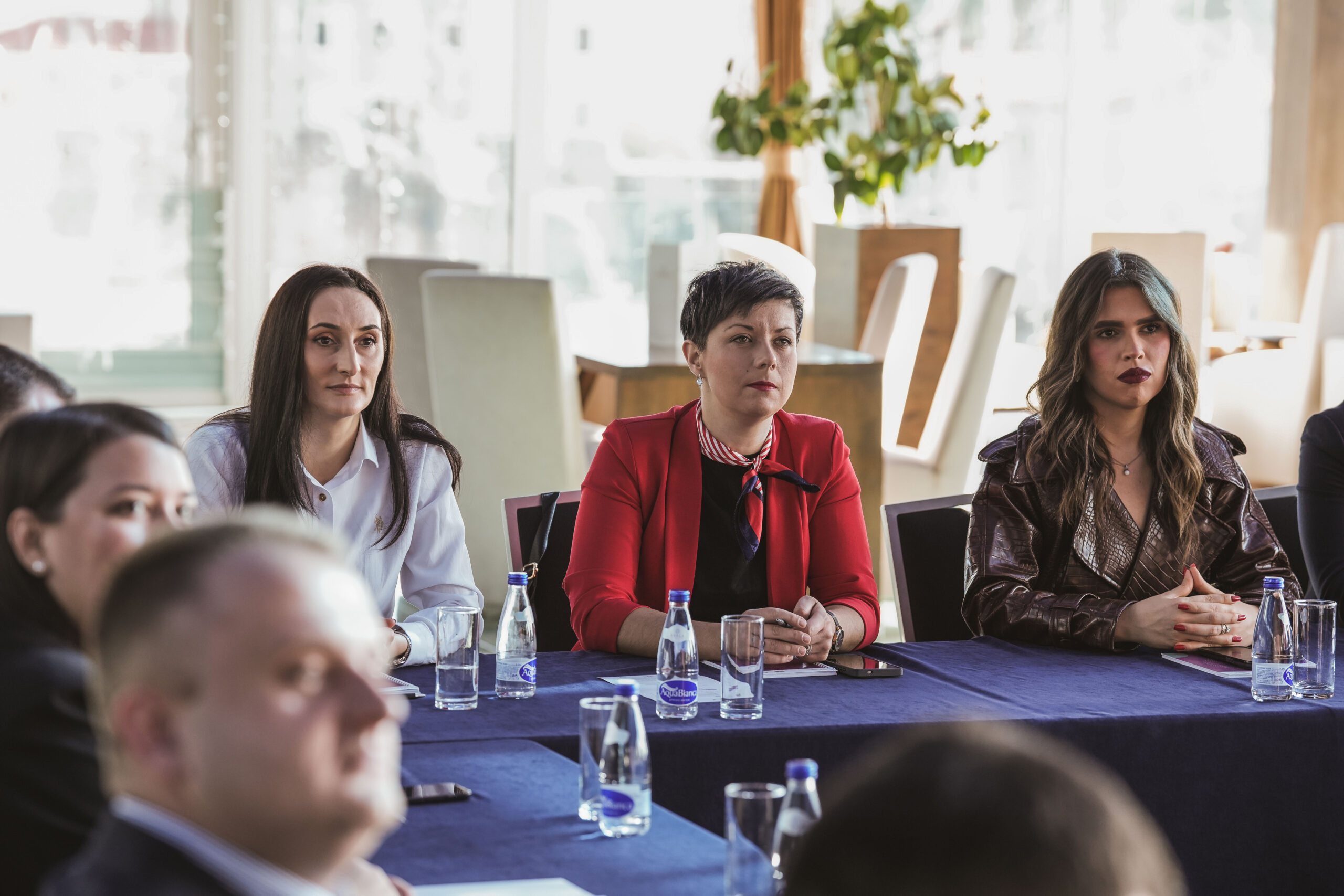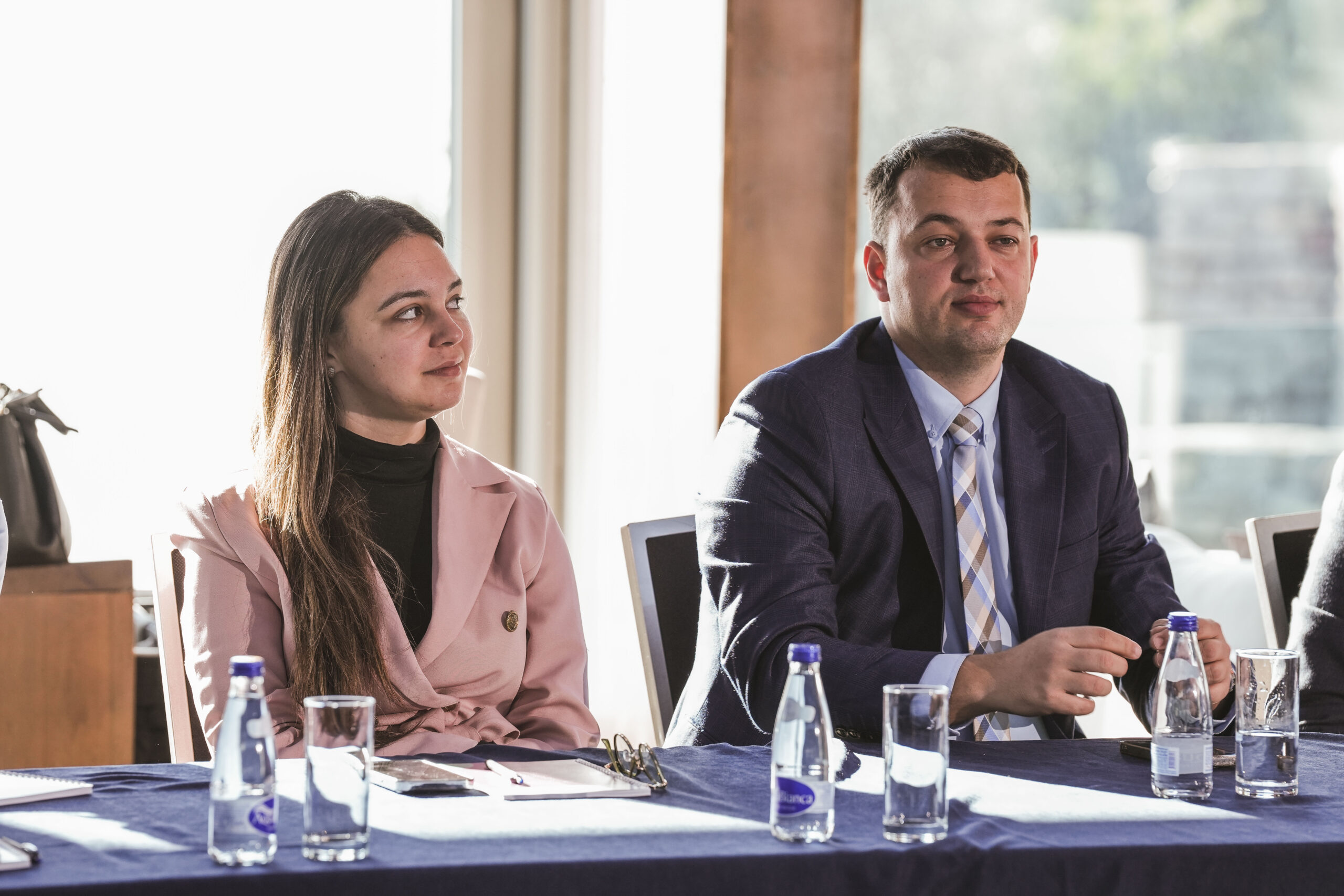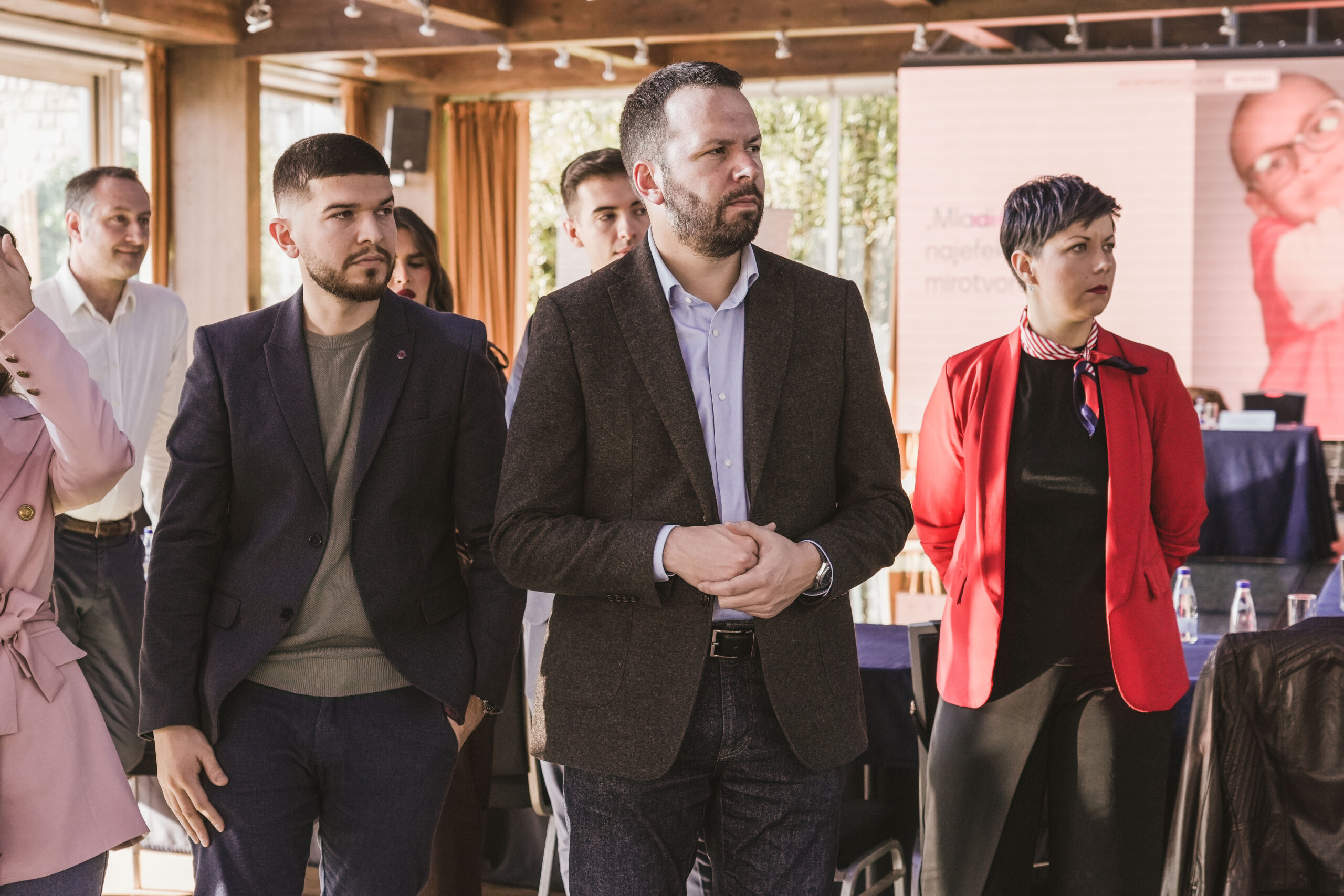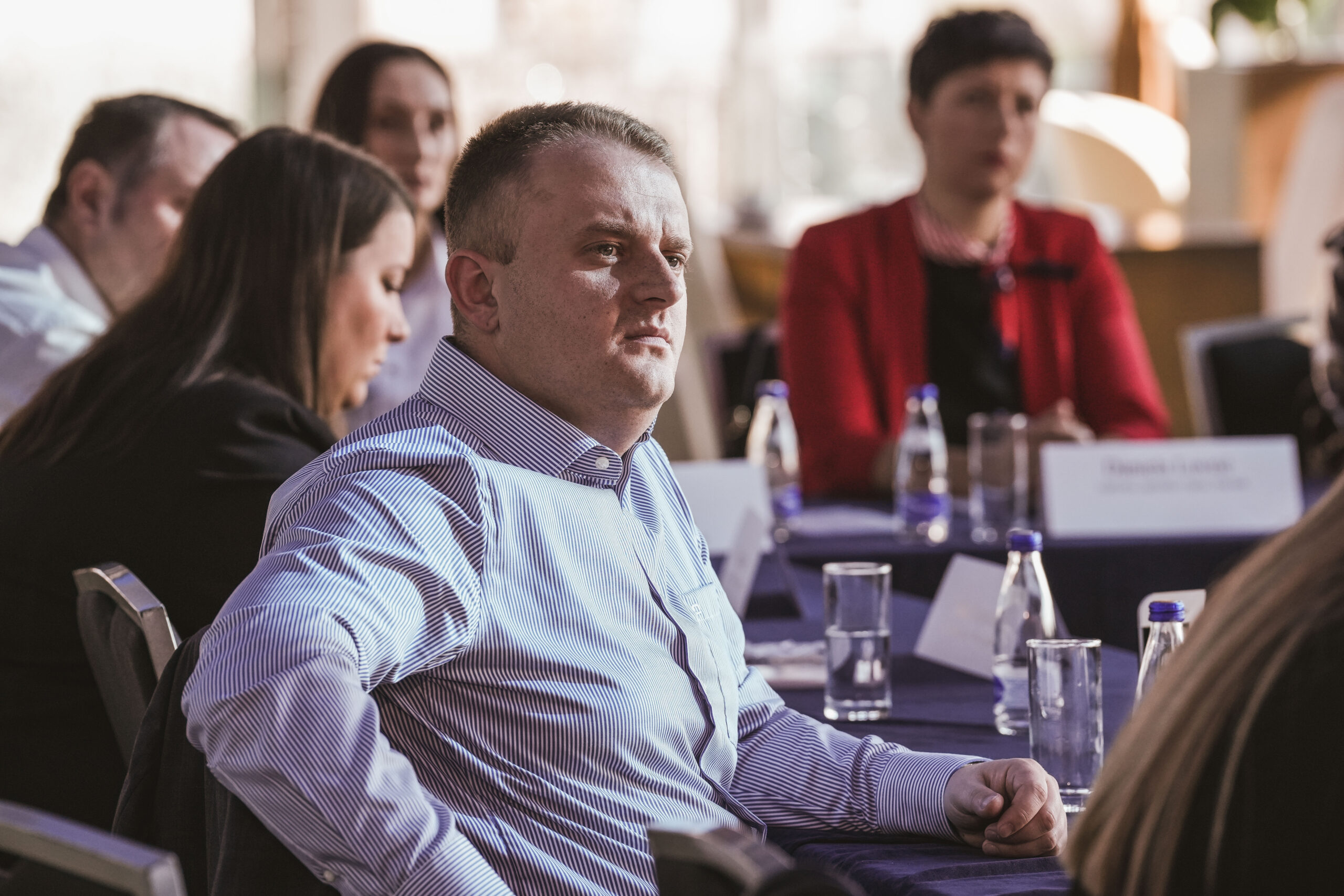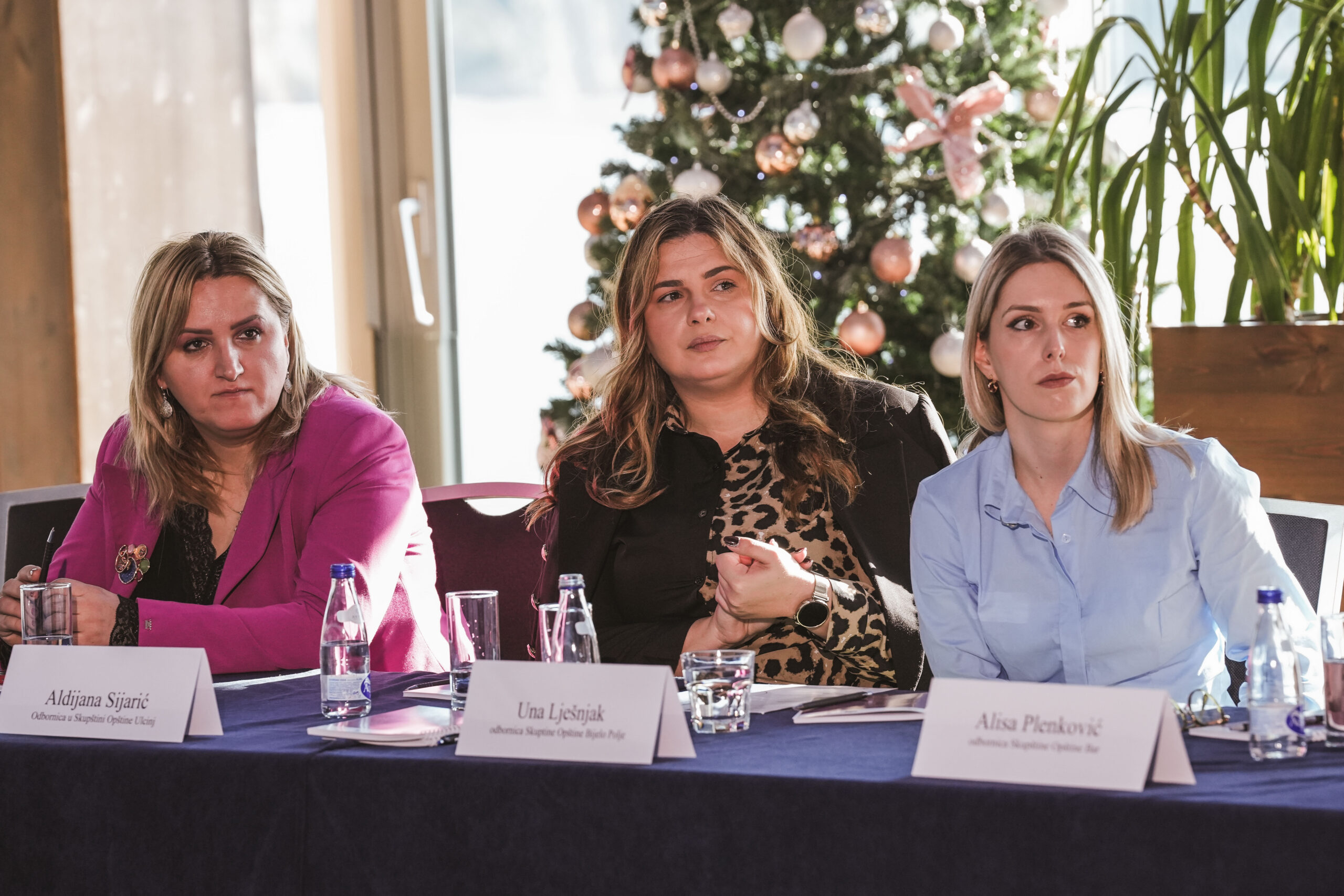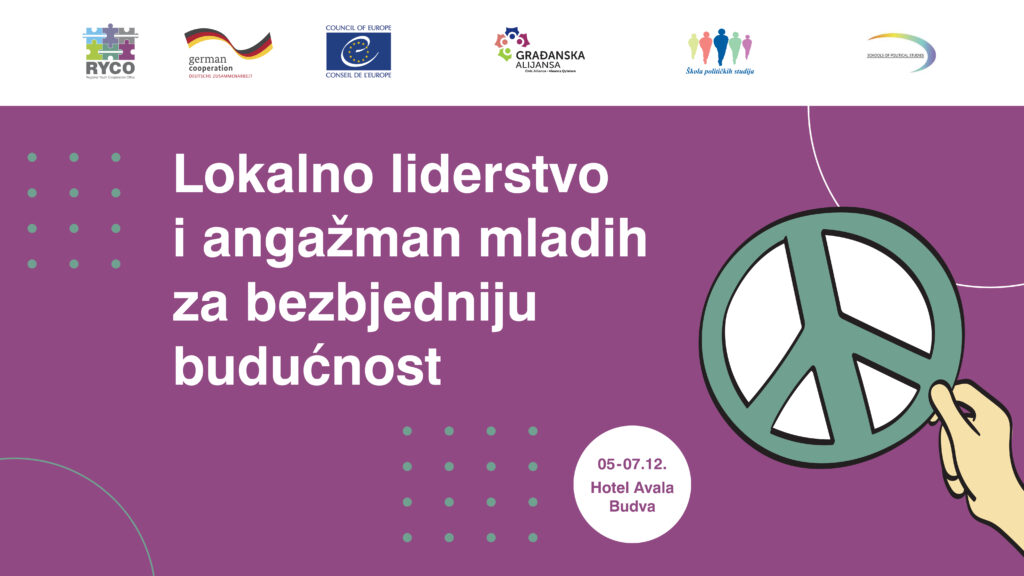
The inclusion of young people, strengthening local capacities, and improving the rule of law are key prerequisites for sustainable development and social stability in Montenegro and the region. Young people must be active participants – not merely observers – in decision-making processes, which requires building institutional mechanisms that ensure their systematic participation from the local to the national level. These were among the main conclusions of the regional event “Local Leadership and Youth Engagement for a Safer Future”, organized by Civic Alliance from 5 to 7 December in Budva, at Hotel Avala.
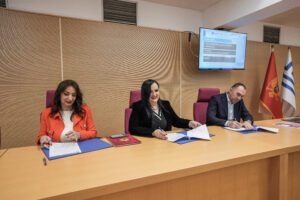
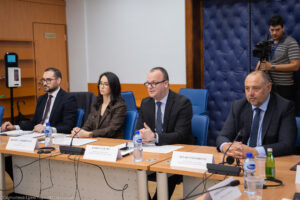
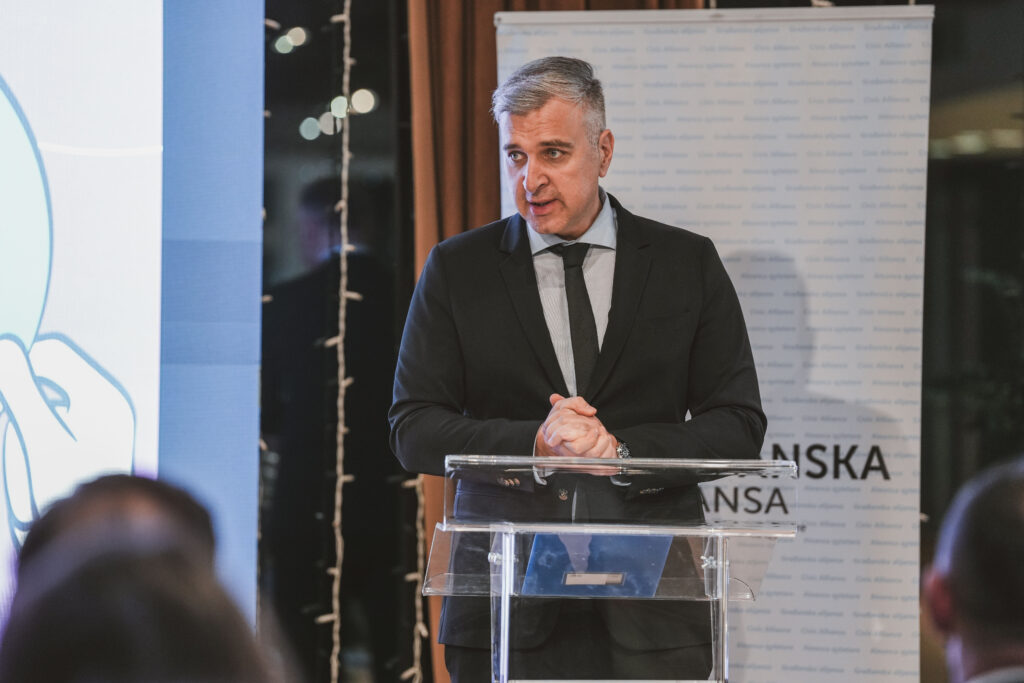
Through the cooperation of the Schools of Political Studies of Montenegro and Bosnia and Herzegovina, the event gathered mayors, deputy mayors, and local councillors, who discussed the Youth, Peace and Security (YPS) Agenda over the course of three days. The regional meeting, which also marked the beginning of Civic Alliance’s week-long programme dedicated to International Human Rights Day, was opened by Milan Radović, Programme Director of Civic Alliance; Branimir Jukić, Ambassador of Bosnia and Herzegovina to Montenegro; and Edin Koljenović, Head of the RYCO Office in Montenegro.
Milan Radović highlighted concerning demographic trends in Montenegro, noting that the number of young people is decreasing while the population is rapidly aging. He explained that while demographic pyramids in the 1970s and 1980s clearly showed a smaller share of older citizens, Montenegro can no longer be described as having a pyramid structure today, but rather a rectangle increasingly transforming into an inverted pyramid. He emphasized that it is high time to actively involve young people in decision-making processes.

Ambassador Branimir Jukić thanked Civic Alliance and the School of Political Studies for organizing the event and selecting timely topics, noting that due to demographic trends in Montenegro, the region, and Europe, young people are unfortunately becoming an increasingly limited resource. He expressed particular appreciation for those young people who, despite opportunities abroad, choose to remain and contribute to the development of their local communities and countries. Jukić stressed that young people will be key actors in guiding Montenegrin and Bosnian society toward European Union membership.
In this context, he congratulated Montenegro on its progress in the EU integration process, expressing confidence that it could become the next EU member by 2028. According to him, this would bring multiple benefits – not only to Montenegro but also to the entire region and candidate countries – by demonstrating that the enlargement policy remains active and that reforms yield tangible results, while also strengthening the European Union’s geopolitical cohesion.
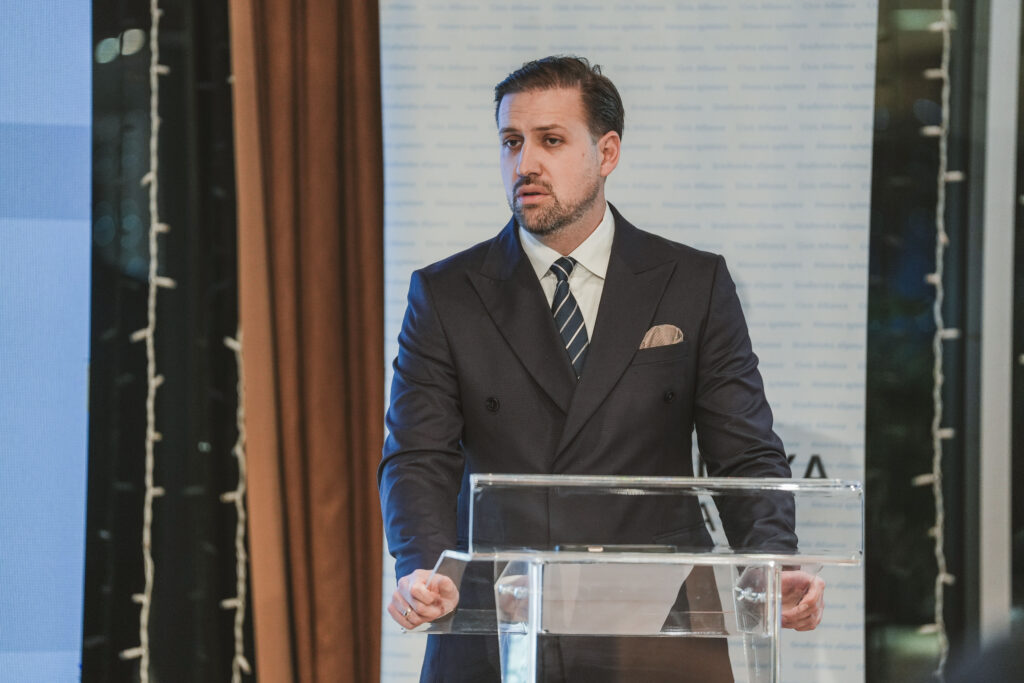
Edin Koljenović emphasized that Civic Alliance’s project directly contributes to the Youth, Peace and Security Agenda, which recognizes young people as policy-makers and key drivers of social change. At a time when young people increasingly express distrust in institutions, such initiatives provide them with space, voice, and concrete tools for active participation. He noted that RYCO and the OSCE have long worked to translate the YPS Agenda into tangible activities, partnerships, and policies at the local level. Through RYCO’s regional programmes, more than 50,000 young people have participated in initiatives that strengthen dialogue and mutual understanding.
Following the opening remarks, Jelena Miljanić, Programme Manager at UNDP Montenegro, presented the YPS Agenda within both global and local frameworks. She emphasized that the Agenda is not only a global commitment but also a practical framework for building inclusive and resilient communities at the local level. Empowering young people as active partners in peacebuilding strengthens social cohesion, democratic values, and trust between citizens and institutions. By incorporating youth perspectives into local decision-making processes, municipalities can reduce polarization, foster dialogue, and contribute to sustainable development, directly linking the Agenda with European values and participatory governance principles.
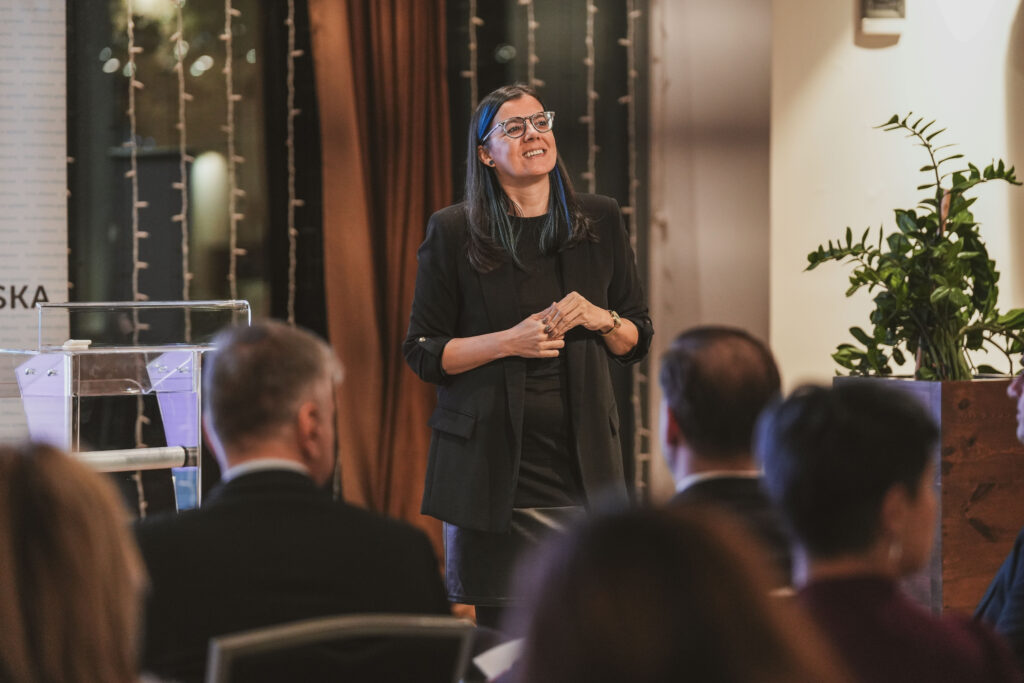
The second day began with a lecture titled “Youth as Actors of Peace and Stability” delivered by independent consultant Mirela Rajković. She pointed out that negative perceptions of young people have historically persisted and often overshadow their real potential to contribute to peace and social cohesion. Through discussions on competing narratives and Generation Z, she emphasized the importance of an intersectional approach, noting that young people are not a homogeneous group and that effective policies must reflect diverse identities and experiences.
Building on the concept of positive peace, Rajković stressed that peace is more than the absence of violence – it includes just institutions, trust, and active citizen participation.
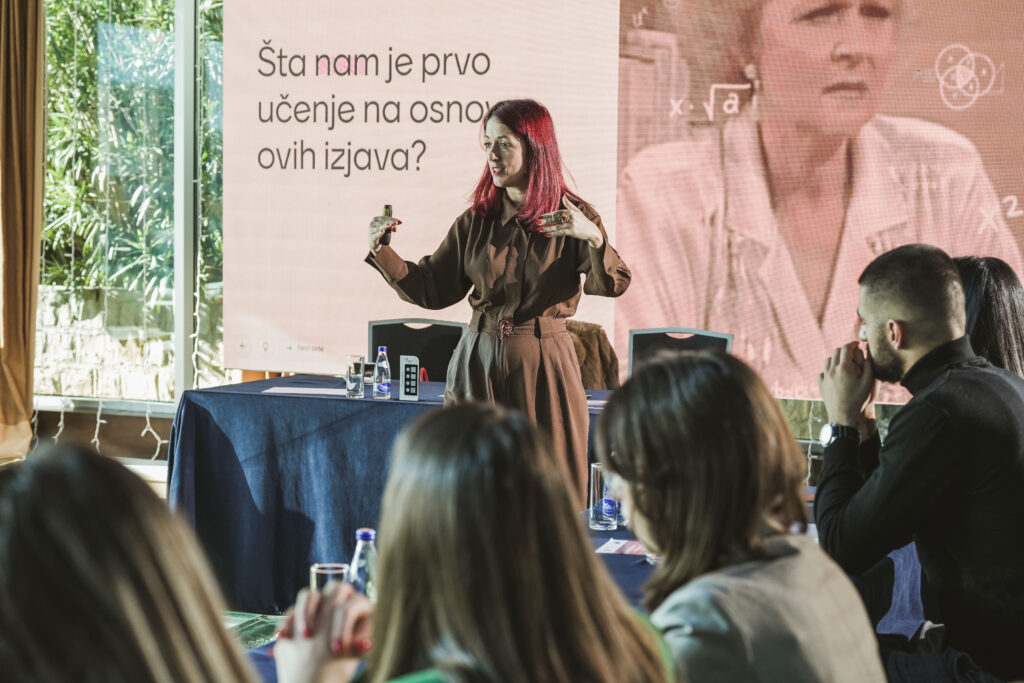
Siniša Bjeković, Protector of Human Rights and Freedoms of Montenegro, delivered a lecture titled “Human Rights and the Rule of Law – Standards and Challenges,” presenting key trends and challenges in human rights protection and the functioning of the rule of law in Montenegro. He noted that some public authorities still treat Ombudsman recommendations as non-binding, often resulting in delayed or absent responses. He emphasized the importance of adopting a new Law on the Protector of Human Rights and Freedoms, which would introduce a clear obligation for institutions to respond to recommendations and foresee financial penalties for non-compliance.
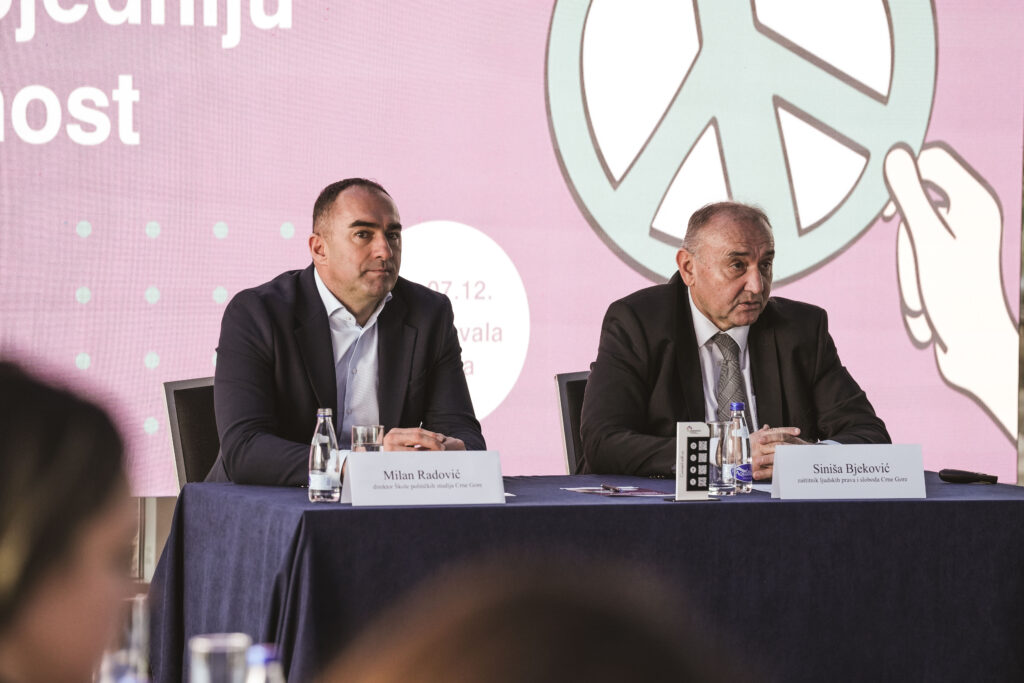
Addressing gender equality, Bjeković highlighted that women in Montenegro make up the majority of the population and often have higher levels of education, yet remain underrepresented in decision-making processes. He also pointed to structural human rights challenges, noting that out of approximately 1,200 cases handled annually by the institution, around 240 relate to discrimination and about 200 to children’s rights.
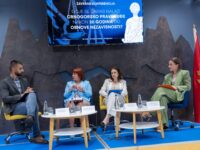
The panel “Mechanisms of Regional and Inter-Municipal Cooperation” featured Nađa Ljiljanić, Deputy Mayor of Podgorica; Miljana Smiljanić, Head of the Department for Professional and Administrative Affairs of Brčko District; Esad Marvić, Director of the School of Political Studies of Bosnia and Herzegovina; and Almir Čaušević from Civic Alliance.

Nađa Ljiljanić emphasized that recent political changes have created better conditions for youth participation in decision-making and that many young people are now leading significant processes at both national and local levels. She noted that Podgorica, home to one-third of Montenegro’s population, has a particular responsibility to strengthen youth participation mechanisms, especially in light of its designation as the European Youth Capital 2026. She added that a significant budget has been allocated for youth programmes across multiple municipal departments and stressed the importance of amplifying youth voices, including at the level of local communities.
Miljana Smiljanić highlighted that effective inter-municipal and cross-border cooperation depends on strong foundations and enabling opportunities for young people. She noted that while strategic documents are adopted in parliaments, young people are often excluded from these processes and are mainly referenced during election periods, rather than when policies affecting them are created. Drawing from practice, she emphasized that cooperation with young ministers is particularly motivating due to their energy and openness to change. She added that Brčko District has improved youth status through continuous communication, monitoring needs, and adapting projects when necessary.
Esad Marvić pointed out that Bosnia and Herzegovina ranks among the countries with the highest youth emigration rates globally, exacerbating social and economic challenges. He noted that political parties often neglect young people as they do not perceive them as a reliable voter base, while “social peace” is maintained through remittances sent by young people working abroad. He stressed that such a model is unsustainable and delays essential reforms needed to enable young people to remain and build their future in the country.
Almir Čaušević presented recommendations for improving the success of municipalities in Bosnia and Herzegovina and Montenegro in accessing EU funds, emphasizing the importance of strengthening inter-municipal and cross-border cooperation. He highlighted that EU funds are not limited to large infrastructure projects but can significantly improve everyday life through digitalization, administrative modernization, energy efficiency, environmental protection, improved water and sewage systems, innovation, and knowledge transfer. He stressed the need for each municipality to establish a permanent project team within the local administration, along with mandatory consultations with civil society, educational institutions, social services, and public enterprises to ensure that projects reflect real community needs.
The three-day programme concluded with a lecture “Diversity and Intercultural Dialogue – Preventing Conflict through Inclusion” by Dušan Medin, archaeologist and cultural and media management expert. He emphasized that discussions on culture and cultural heritage across the Balkans should open questions of inclusivity, cooperation, mutual understanding, and reconciliation. He highlighted that the potential of cultural heritage should be directed toward strengthening dialogue and reconciliation rather than fueling conflict or violence, presenting several positive examples of cultural and artistic practices promoting reconciliation.
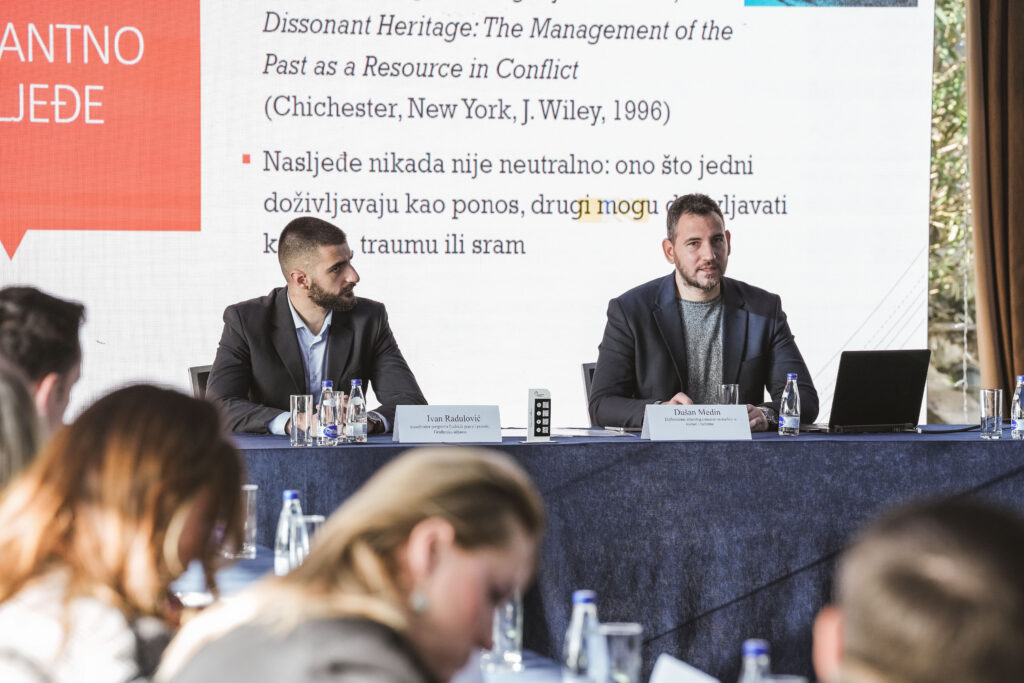
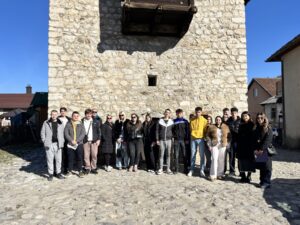
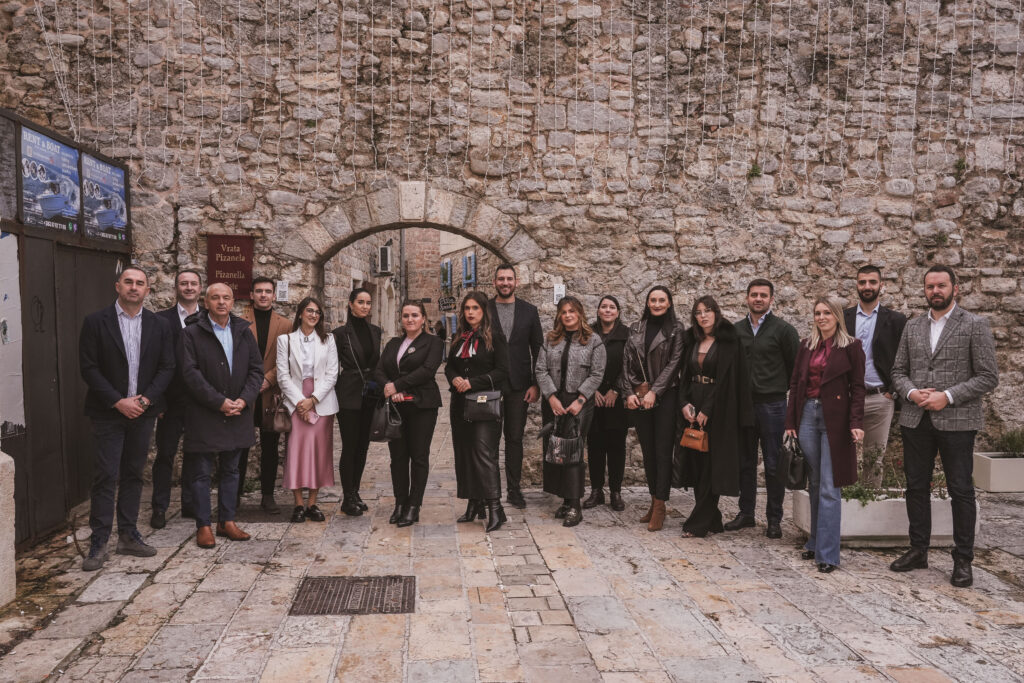
Following the lecture, participants took part in the segment “Culture for Peace,” which included a guided visit to Budva’s Old Town. Medin introduced participants to the city’s millennia-long history and pointed out that cultural heritage in tourist centres like Budva is not always adequately treated, with some important aspects receiving insufficient attention.
This regional event was organized as part of the project “Youth Promise for Peace,” implemented by Civic Alliance through the RYCOgnizing YPS grant scheme, with the support of German Cooperation and implemented by RYCO.