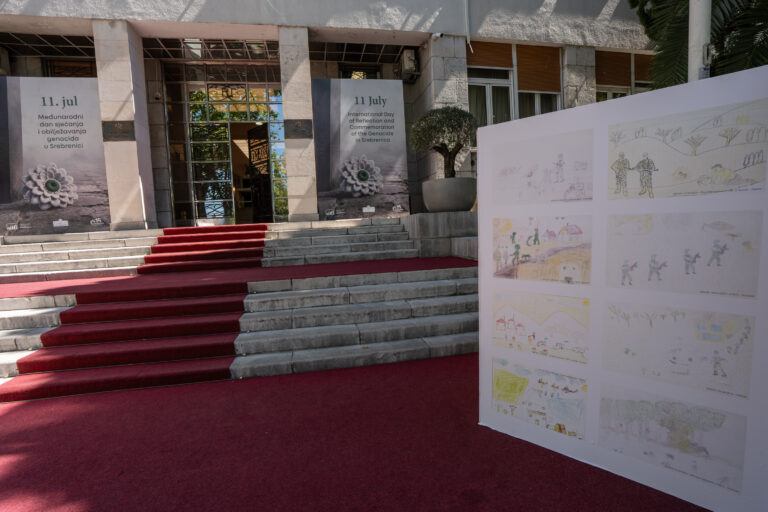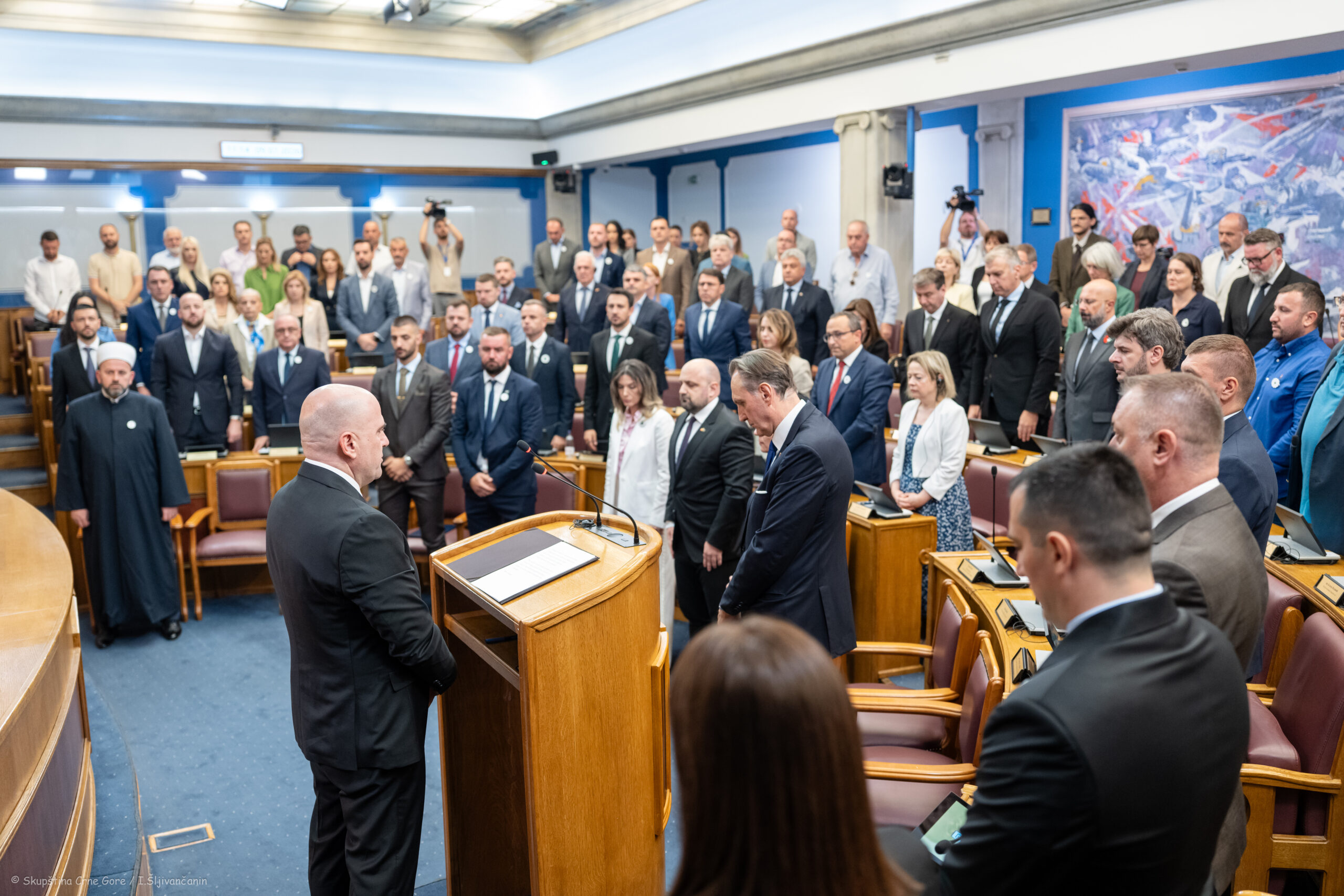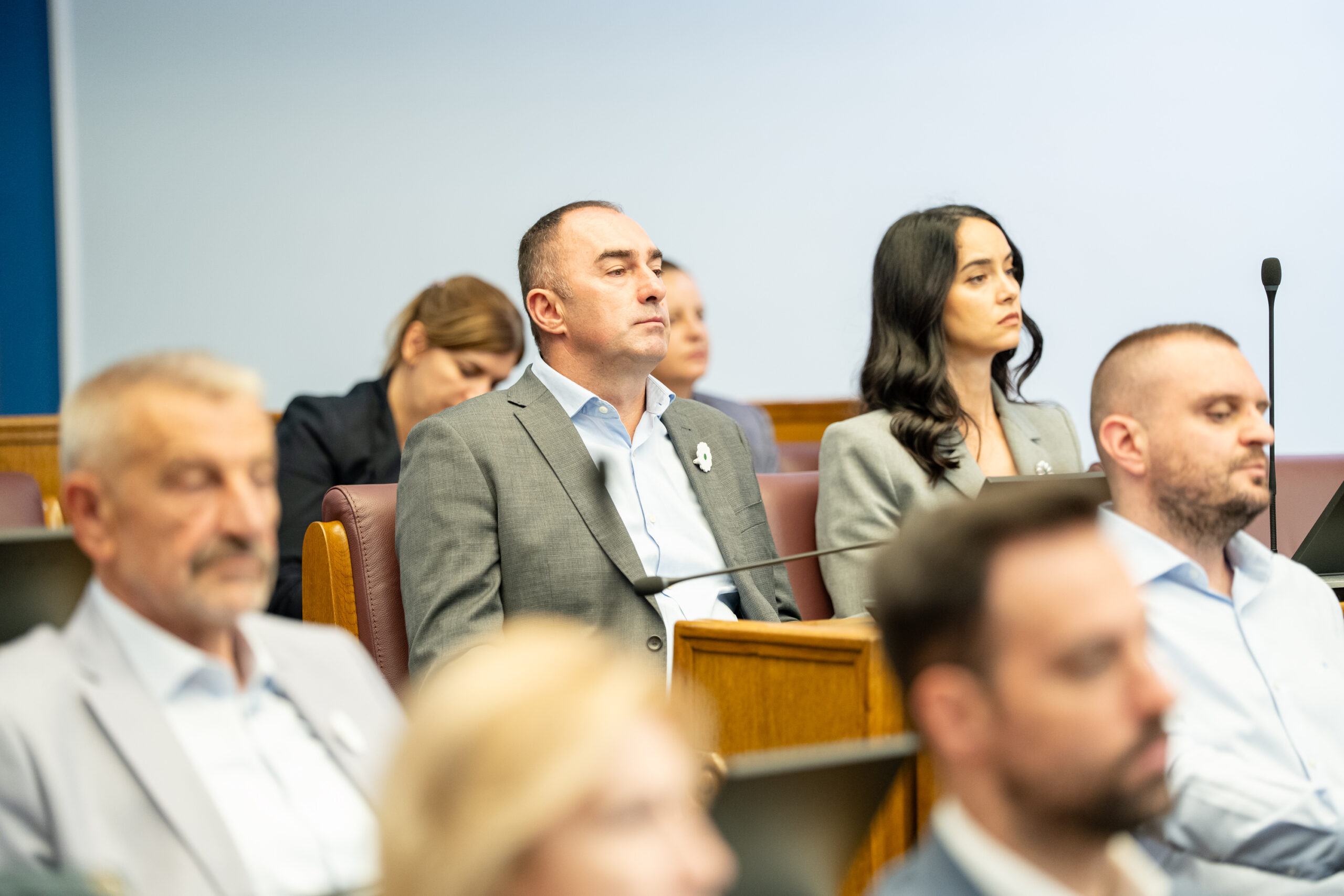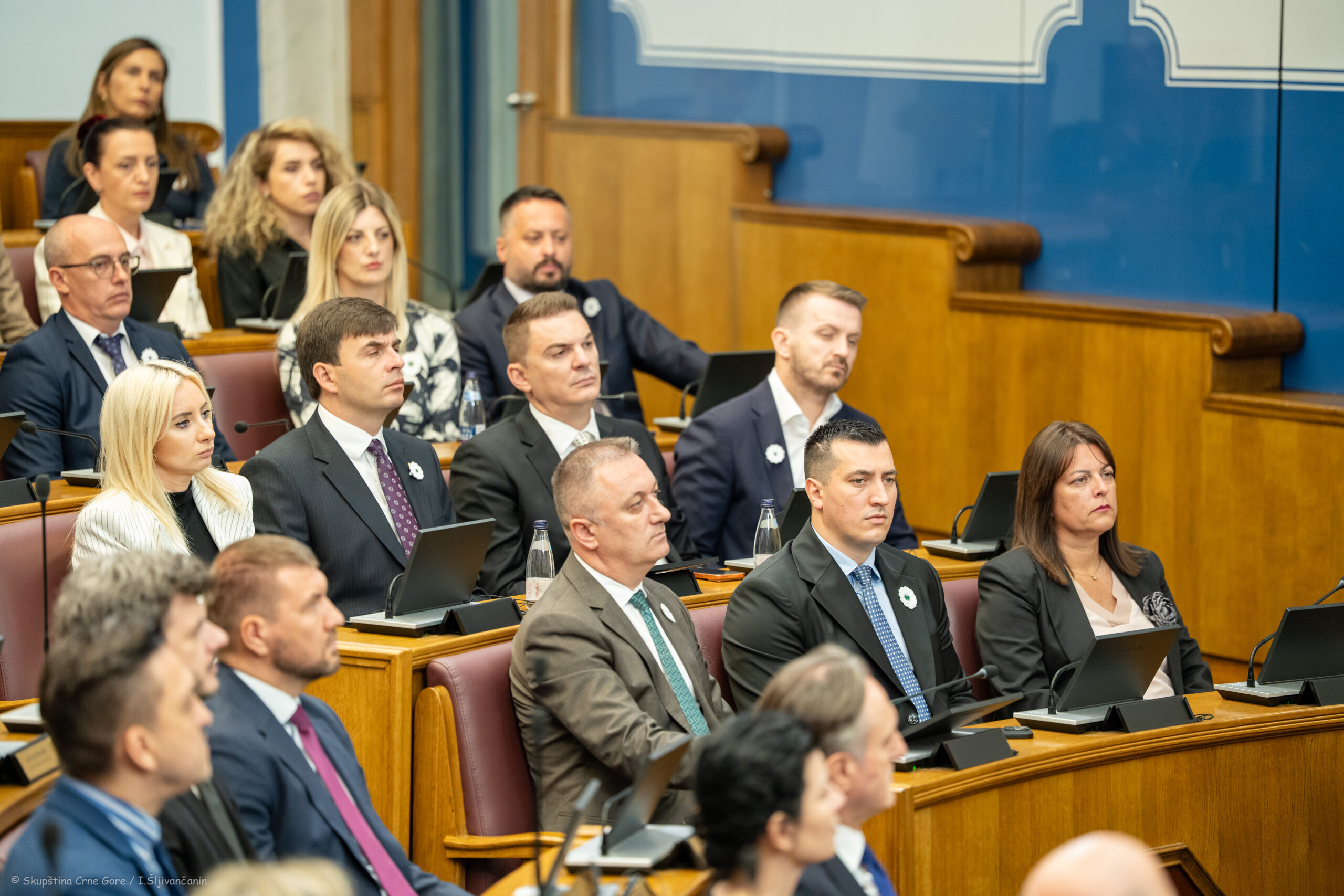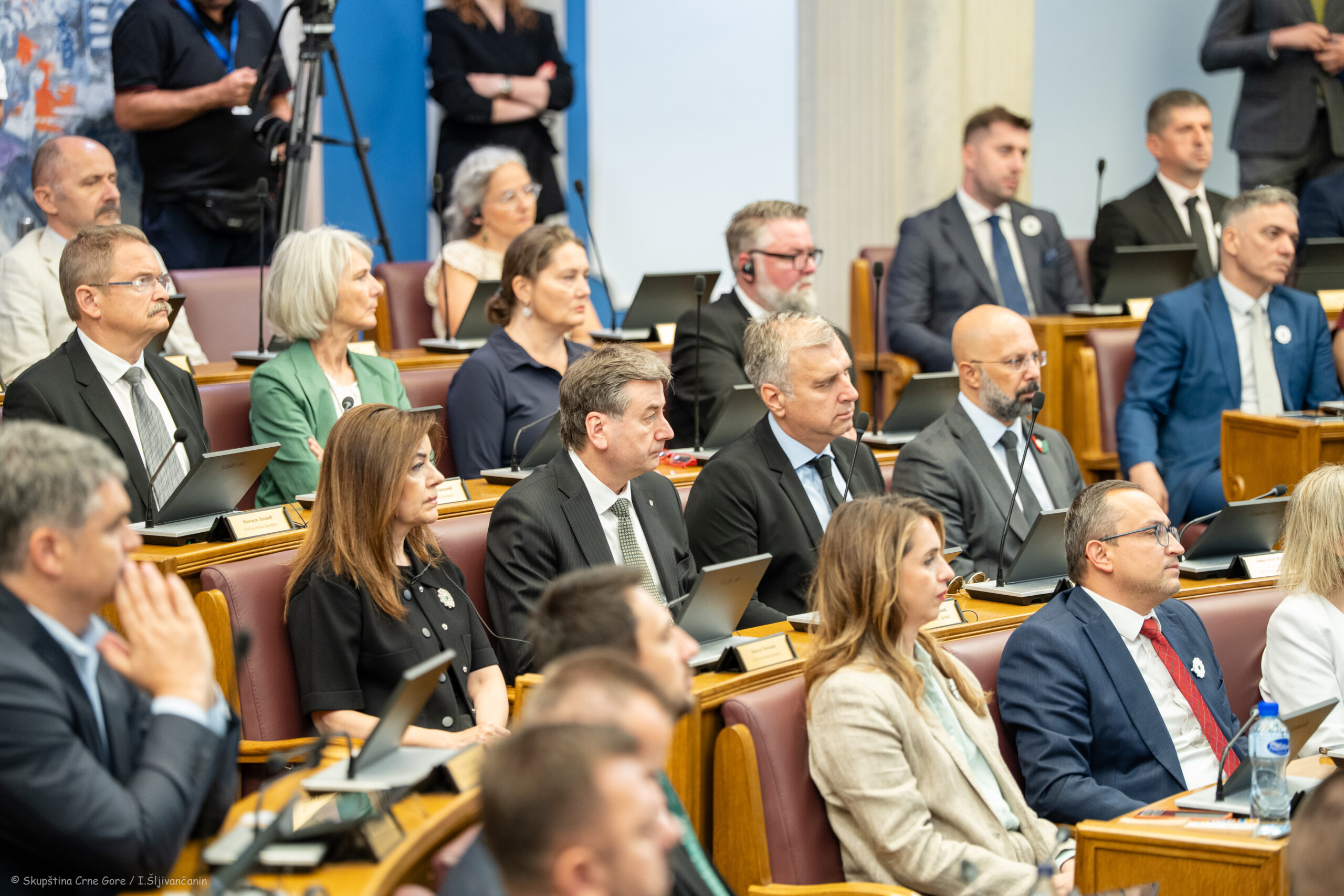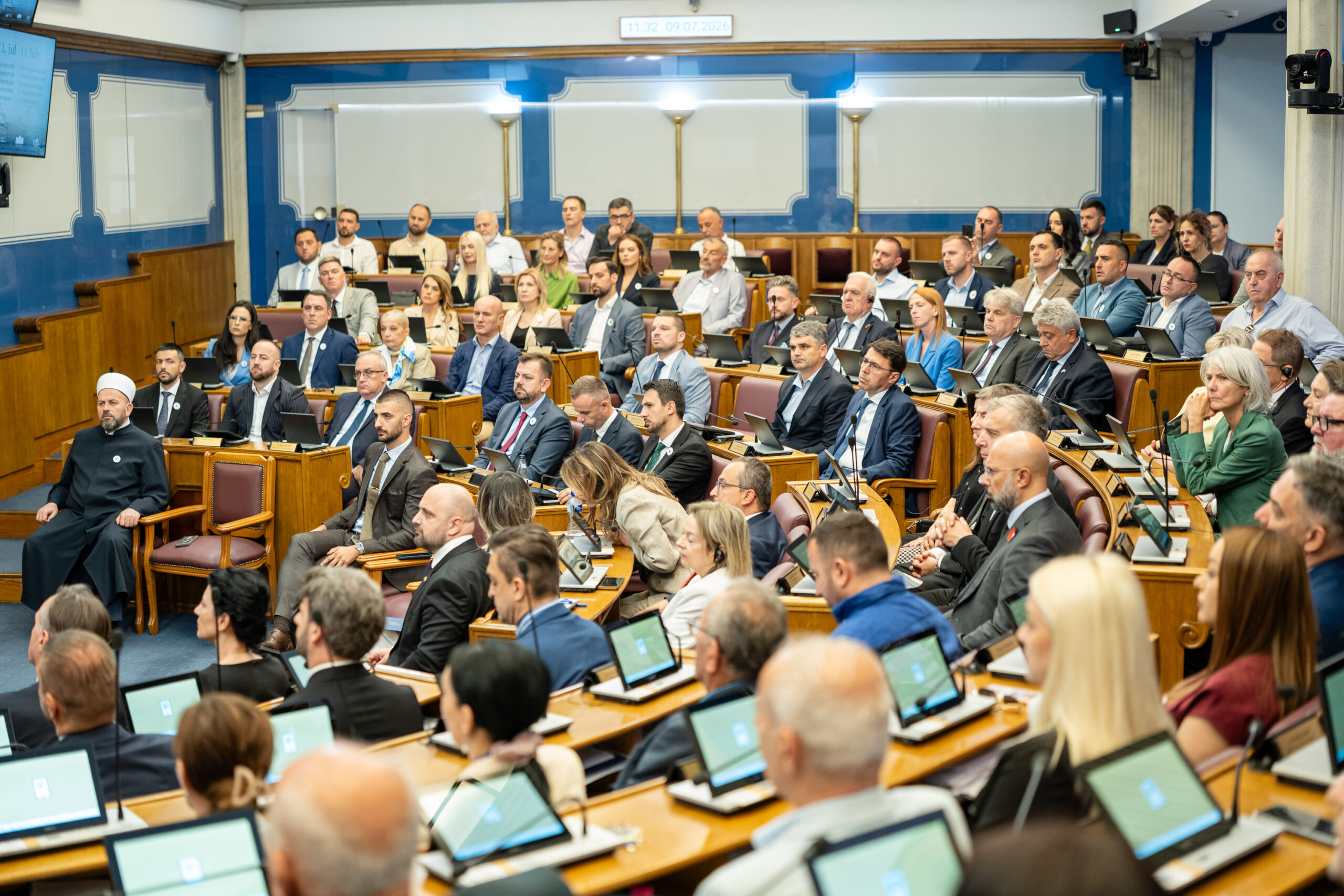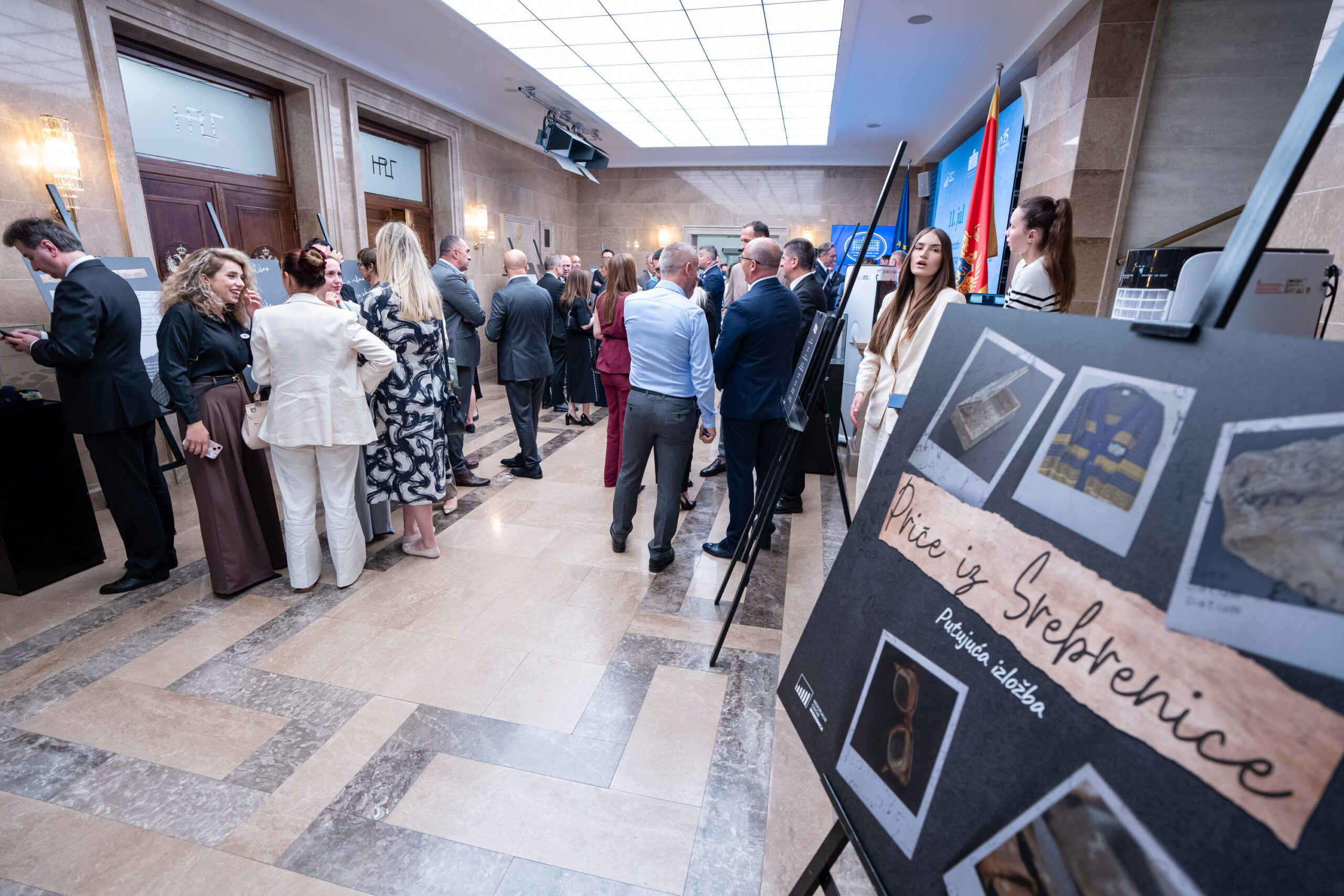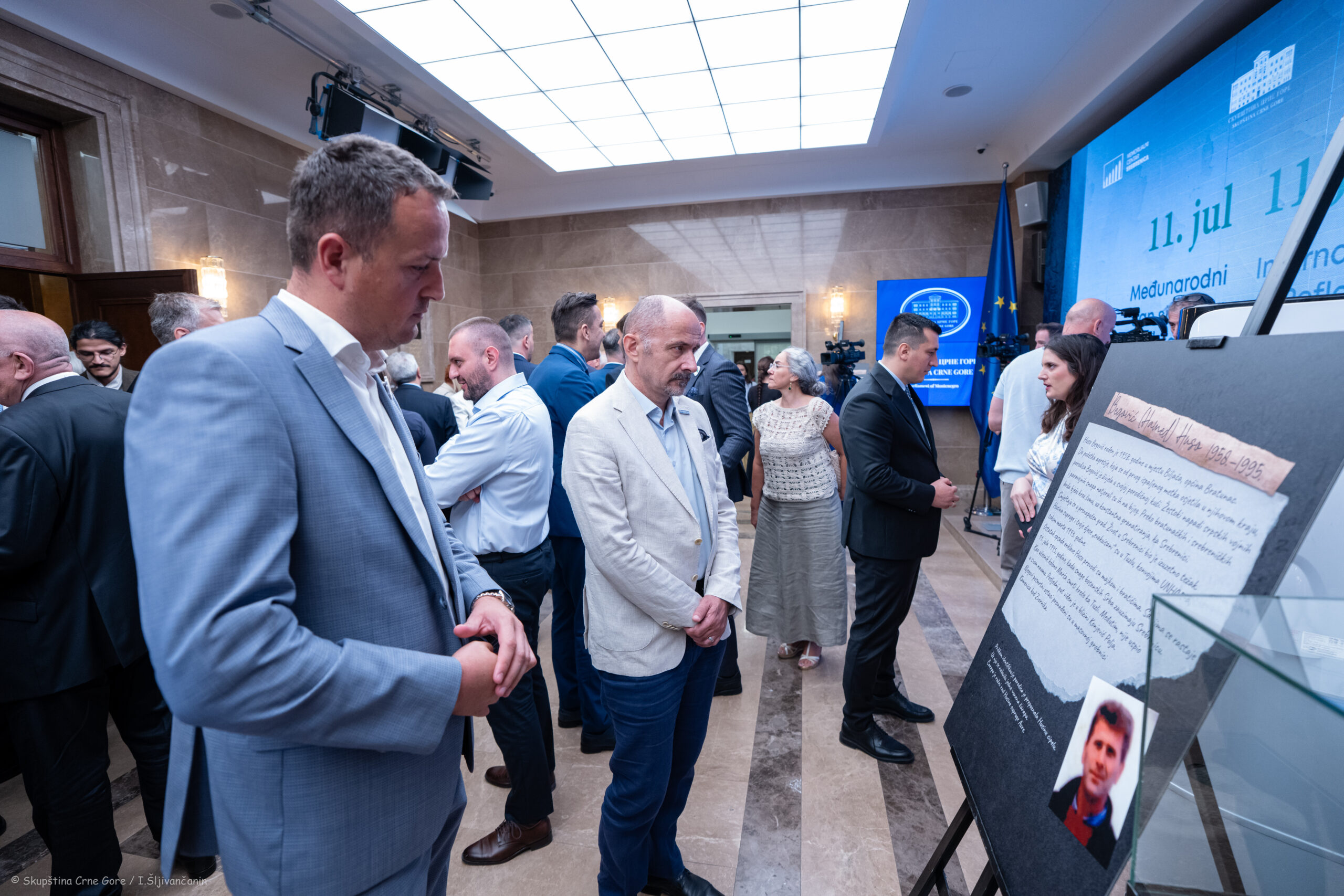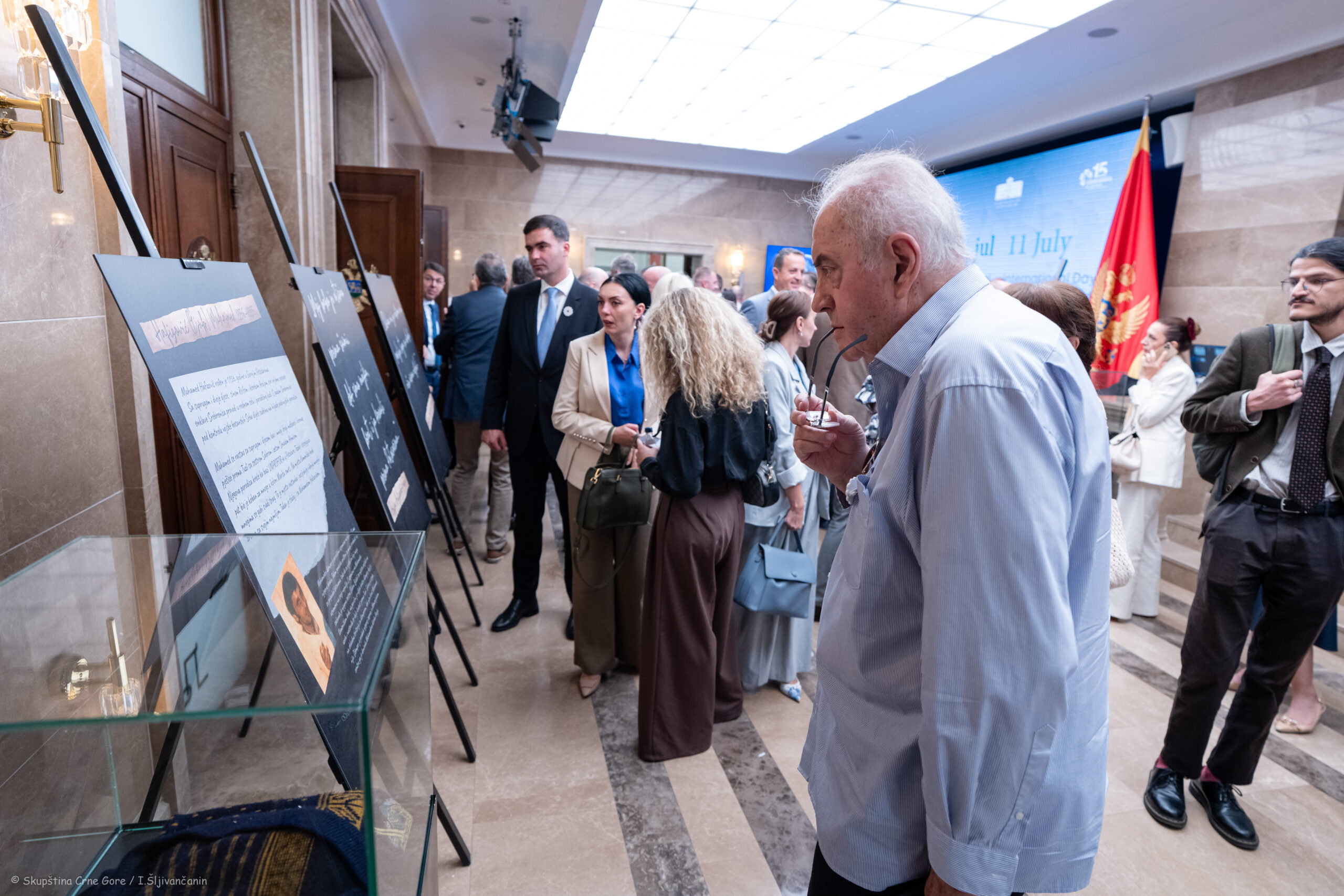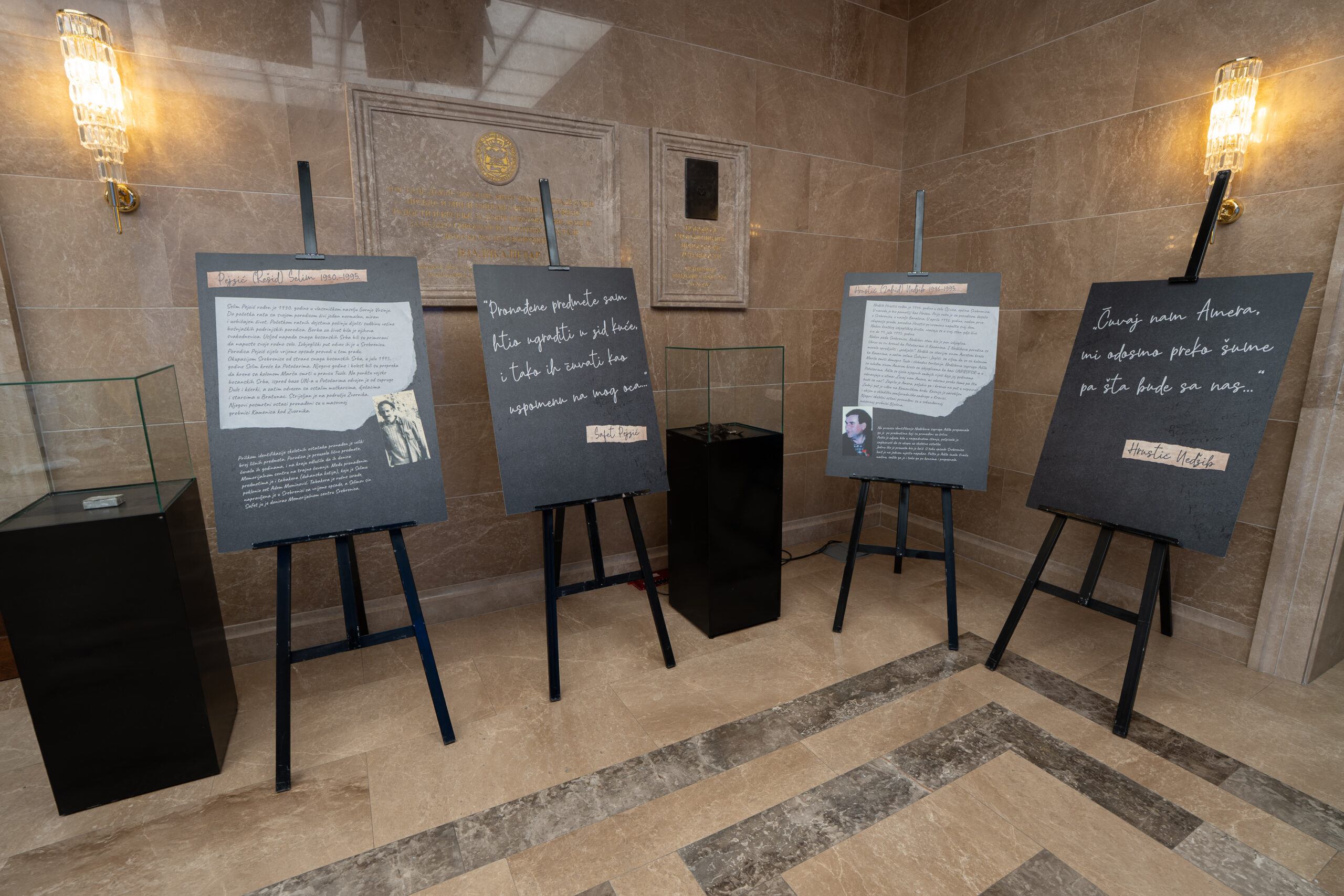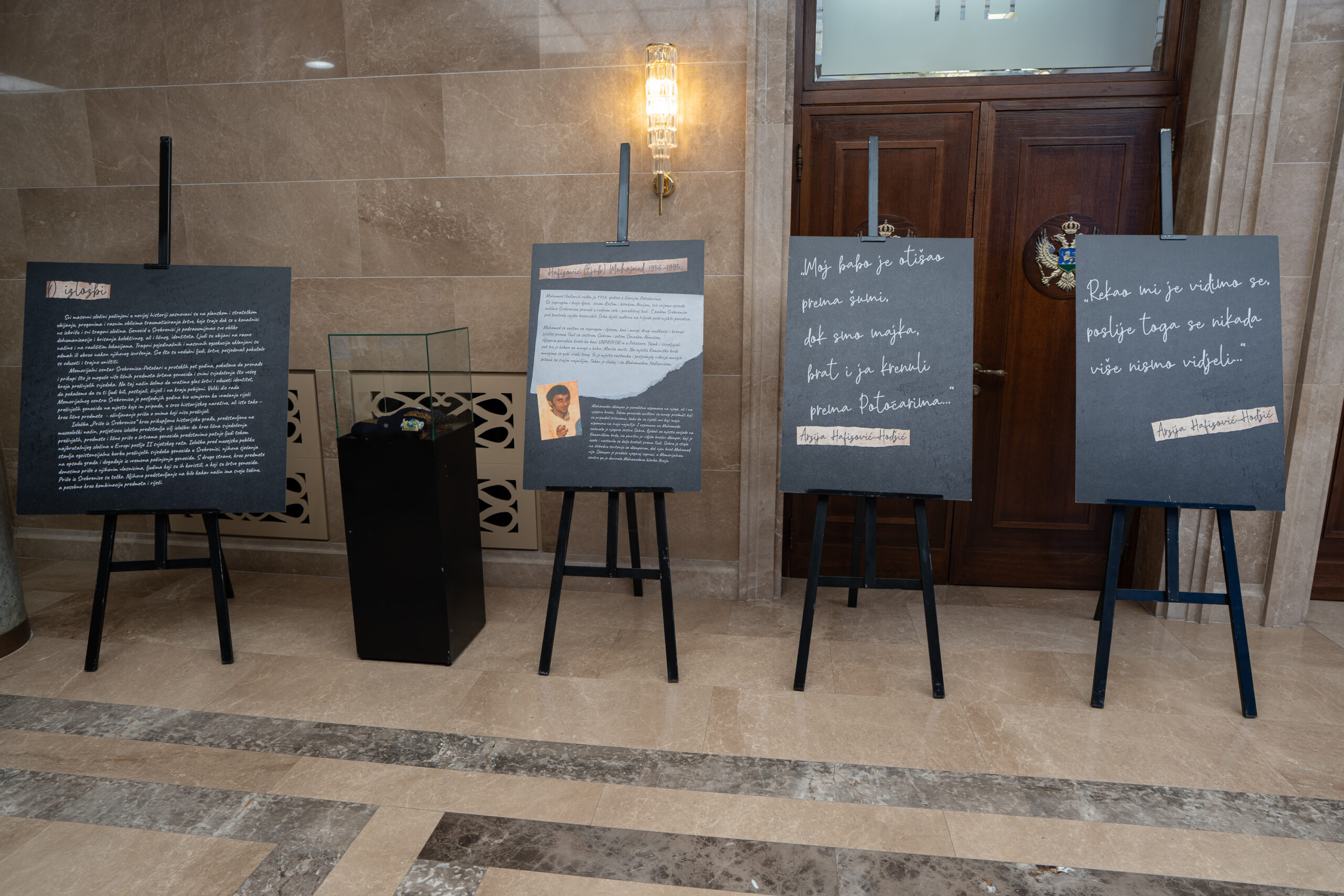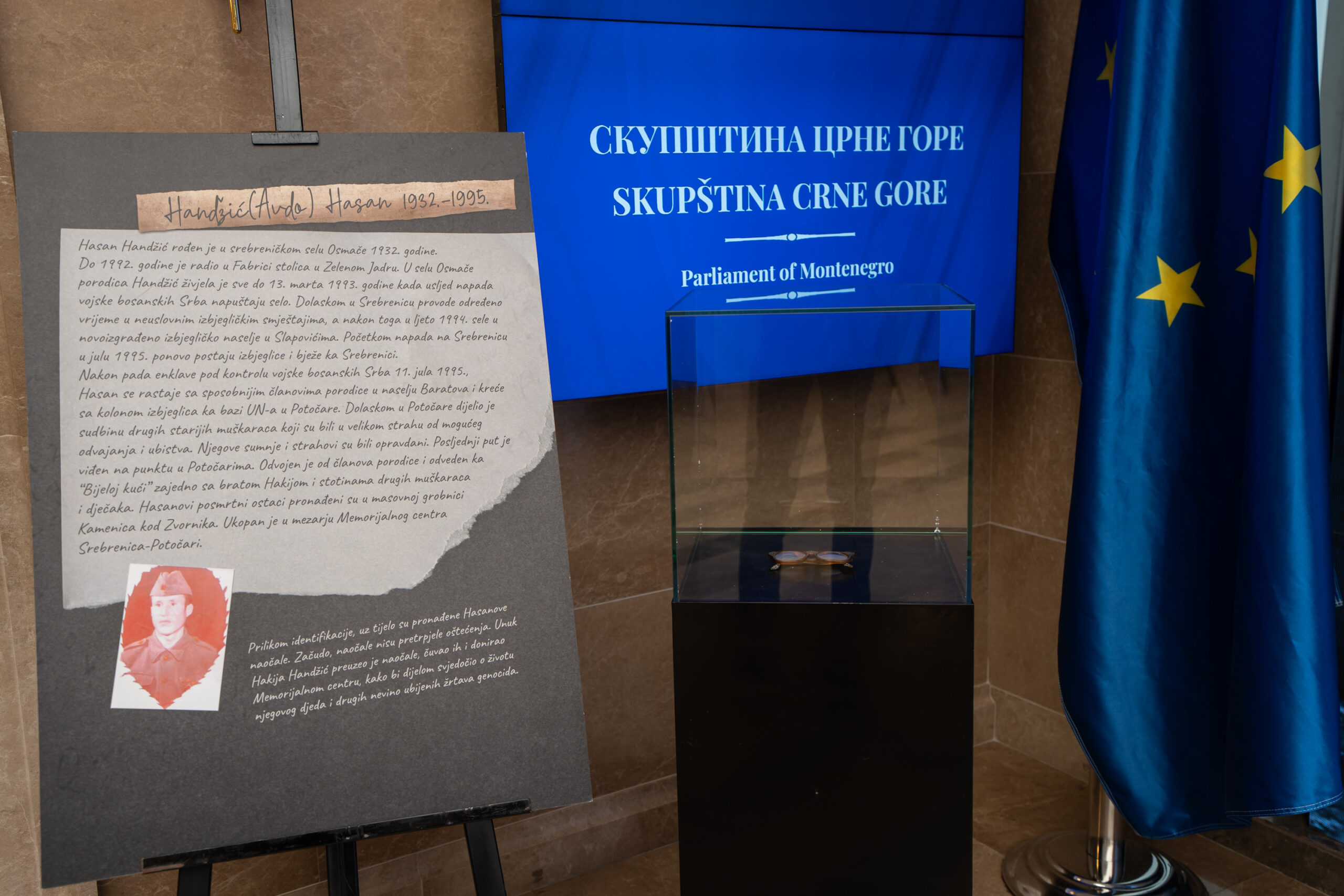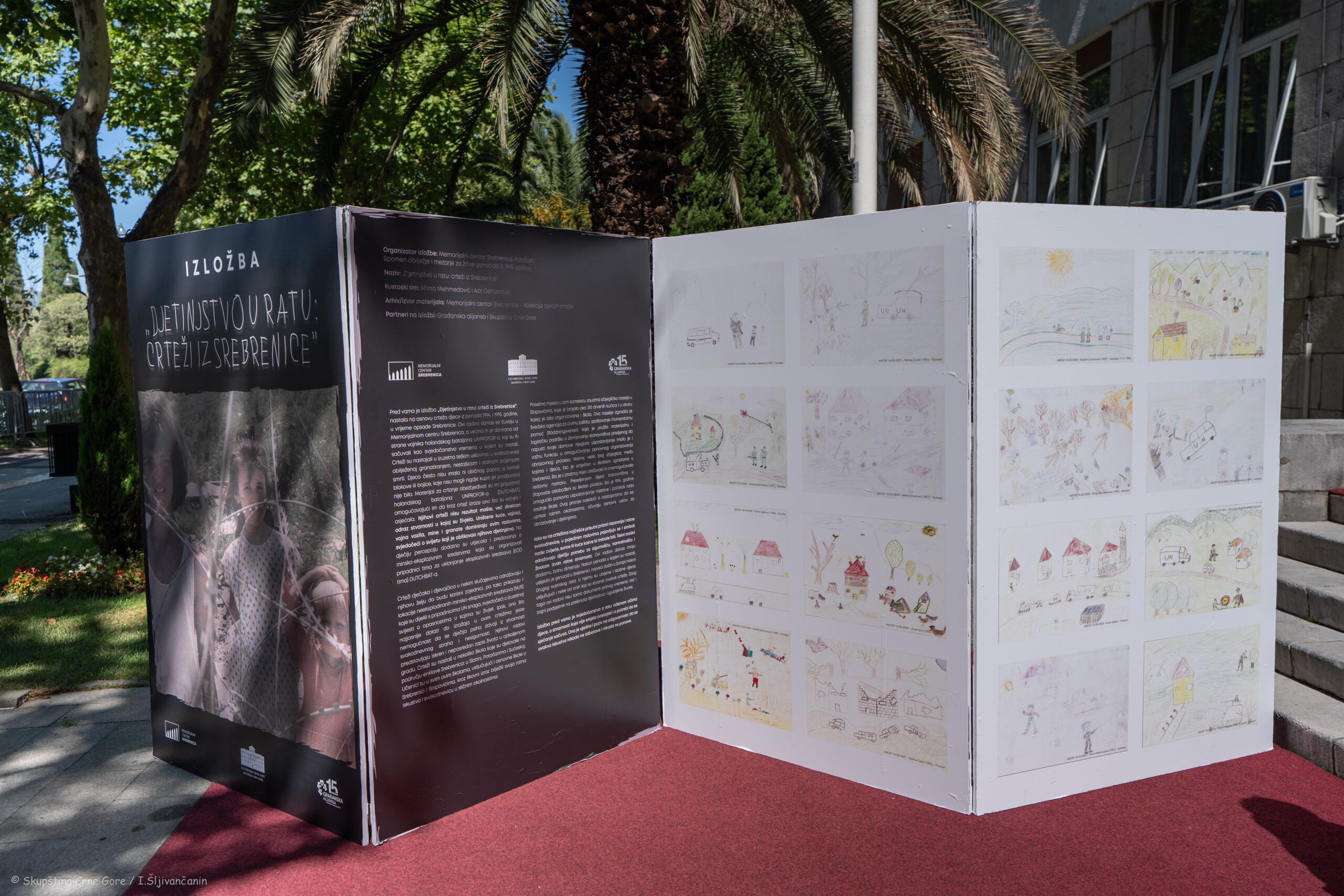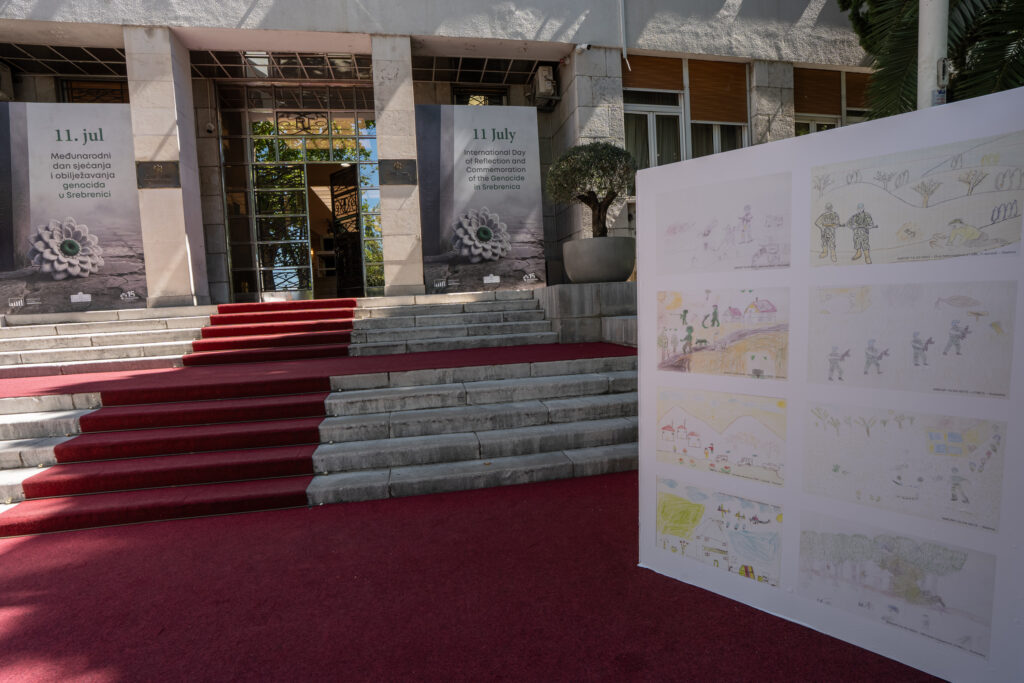
Two exhibitions, “Stories from Srebrenica” and “Childhood in War: Drawings from Srebrenica”, were officially opened today at the Parliament of Montenegro to mark 11 July – the International Day of Reflection and Commemoration of the 1995 Genocide in Srebrenica. The exhibitions were organised through the cooperation of Civic Alliance, the Parliament of Montenegro, and the Srebrenica Memorial Center.
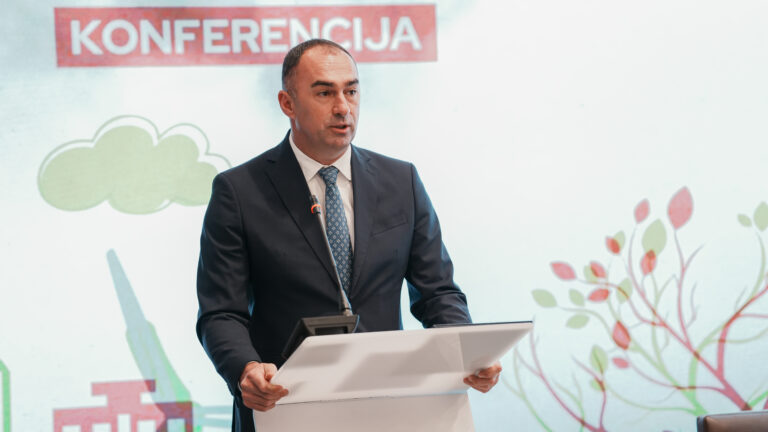
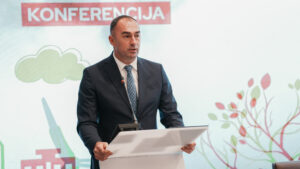
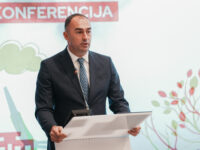
The exhibitions were opened by Mirsad Nurković, Vice-President of the Parliament of Montenegro. The opening ceremony also featured remarks by Bojan Božović, Minister of Justice; Ivan Radulović, Human Rights and Justice Programme Coordinator at Civic Alliance; Almir Salihović, representative of the Srebrenica Memorial Center; and MP Kenana Strujić-Harbić.
Opening the exhibitions, Mirsad Nurković stated that the Srebrenica genocide remains a lasting test of human conscience and a warning to all humanity. He stressed that 11 July is not merely a date on the calendar but a reminder of the value of every human life and of the responsibility to preserve the truth from oblivion. He noted that this was the first time the International Day of Reflection and Commemoration of the Srebrenica Genocide had been marked in the Parliament of Montenegro, describing it as an important step towards strengthening the culture of remembrance and the democratic responsibility of institutions. He also recalled that, by adopting the Resolution on the Genocide in Srebrenica and supporting the United Nations General Assembly Resolution, the Parliament of Montenegro had clearly reaffirmed its commitment to preserving historical truth and safeguarding the dignity of the victims.
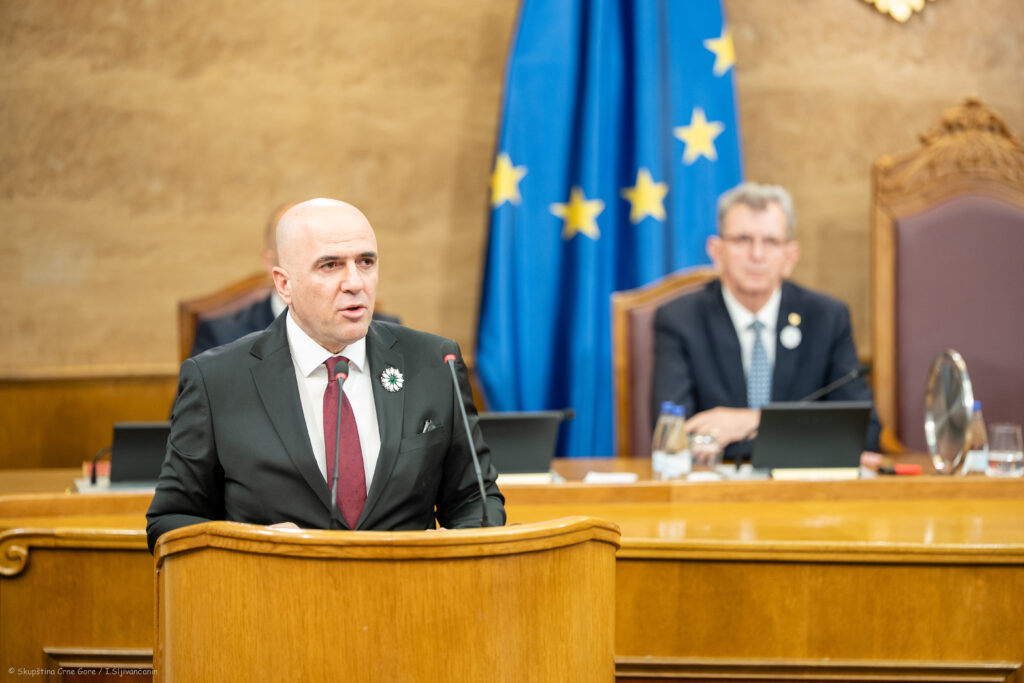
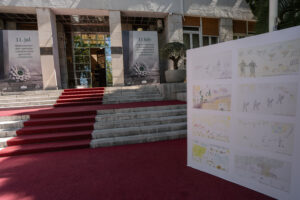
Speaking about the exhibitions, Nurković particularly highlighted the significance of the children’s drawings created during the war, describing them as powerful testimony to the suffering of the youngest victims and a universal reminder that no child should ever grow up in conditions of war and violence. He concluded by stressing that peace must never be taken for granted but should be protected every day through a commitment to truth, justice, and human dignity.
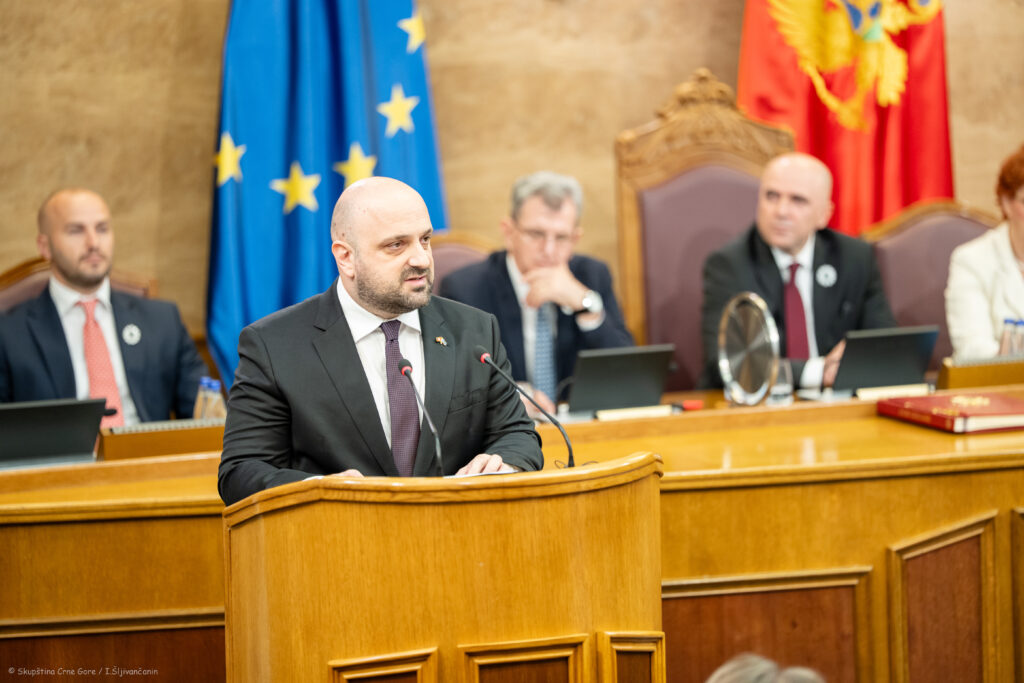
Bojan Božović stated that the Srebrenica genocide represents one of the deepest wounds in modern European history and a crime unequivocally recognised as genocide by international courts. He emphasised that no responsible society should relativise or deny judicially established facts, noting that justice is founded on truth and individual responsibility rather than collective guilt. Božović added that organising such events in the Parliament of Montenegro demonstrates the country’s commitment to fostering a culture of remembrance, honouring the victims, and building a society based on justice, dialogue, and reconciliation.
Ivan Radulović welcomed the fact that exhibitions dedicated to Srebrenica are being hosted this year in the Parliament of Montenegro, describing it as an important step in strengthening the institutional culture of remembrance. He warned that the issue of the Srebrenica genocide is too often used for day-to-day political disputes, while the victims remain in the background, stressing that remembrance must be a shared responsibility of society as a whole. He particularly emphasised the need for stronger education of young people about the Srebrenica genocide and for a more determined response to historical revisionism and genocide denial.
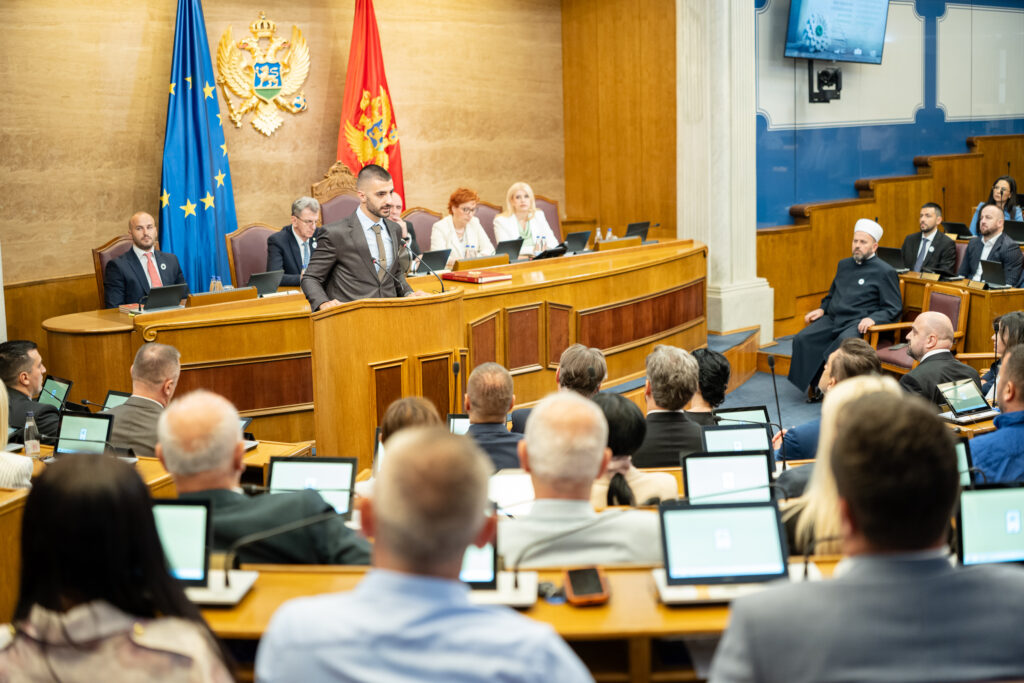
Radulović also recalled Civic Alliance’s long-standing cooperation with the Srebrenica Memorial Center, במסגרת which study visits for young people and representatives of political parties have been organised, alongside numerous activities promoting human rights, dealing with the past, and strengthening the culture of remembrance. He noted that these exhibitions represent a continuation of joint efforts to bring historical facts closer to the public and contribute to building a society founded on truth and accountability.
Almir Salihović recalled the more than 8,000 Bosniak men and boys murdered in the genocide, paying tribute to all victims and their families, who have spent three decades preserving the truth about their loved ones with dignity. He stressed that lasting peace can only be built on truth, justice, and genuine confrontation with the past. Speaking about the exhibition “Stories from Srebrenica”, he explained that, through personal belongings and testimonies, it tells the stories of people, their lives, families, plans, and dreams, reminding visitors that the victims were not statistics but individuals whose lives and dignity were violently taken away. He added that, by preserving historical facts and the memory of the victims, the Srebrenica Memorial Center is also educating new generations to recognise the dangers of hatred, dehumanisation, and genocide denial.
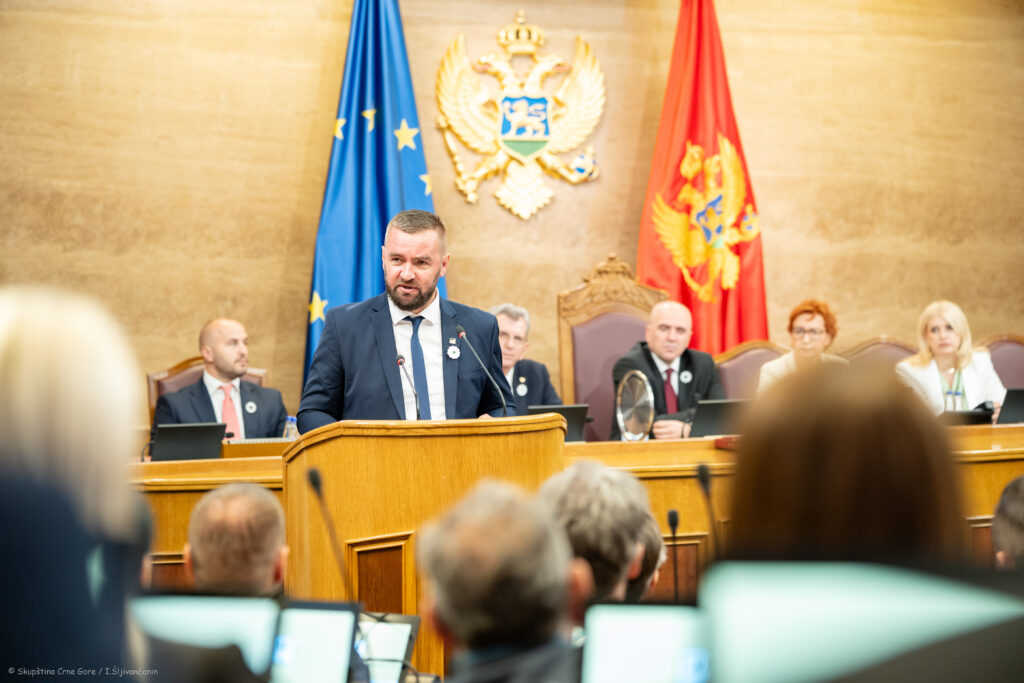
Kenana Strujić-Harbić opened her remarks by sharing the story of Nura Alispahić, a mother who lost her husband and two sons in the genocide, noting that her experience is only one among thousands of tragic stories reflecting the scale of the crime. She stressed that, despite the judgments of international courts and the overwhelming body of evidence, attempts to relativise and deny the genocide continue, warning that truth cannot be challenged through political narratives or propaganda. She emphasised that Montenegro must remain committed to the values of truth, justice, and respect for the victims, and that educating young people about the Srebrenica genocide is one of the essential safeguards against the repetition of such crimes.
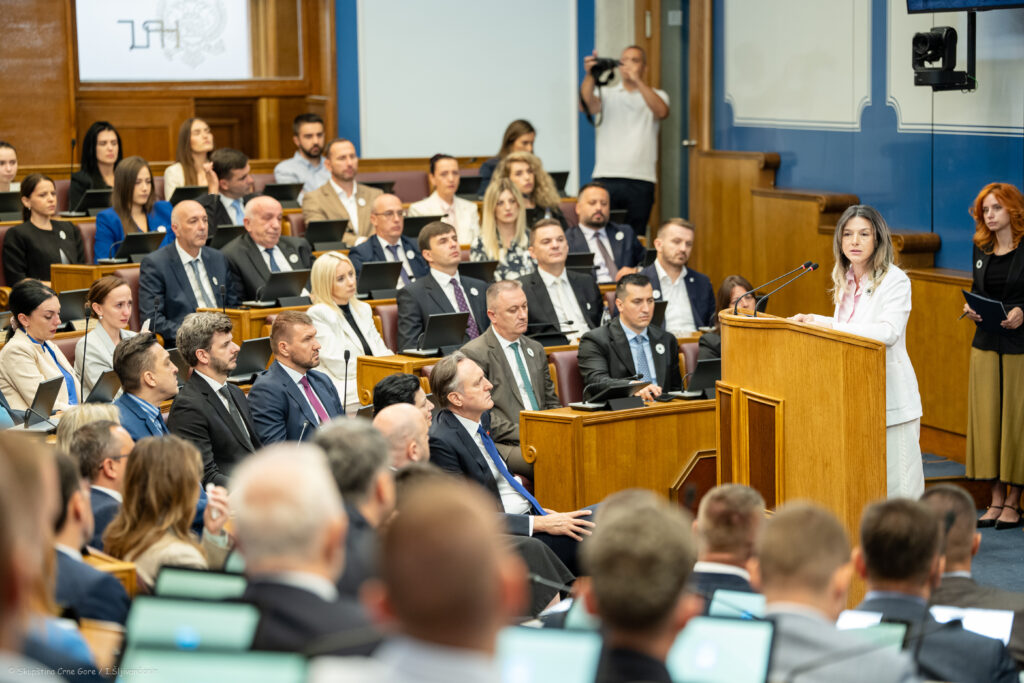
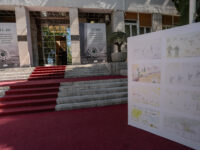
The exhibition “Stories from Srebrenica” is displayed in the lobby of the Parliament of Montenegro, while “Childhood in War: Drawings from Srebrenica” is installed in front of the Parliament building. Both exhibitions will remain open to visitors until 15 July, offering citizens an opportunity to learn about the experiences of genocide victims through authentic testimonies, personal belongings, and children’s drawings, while contributing to the preservation of the culture of remembrance.