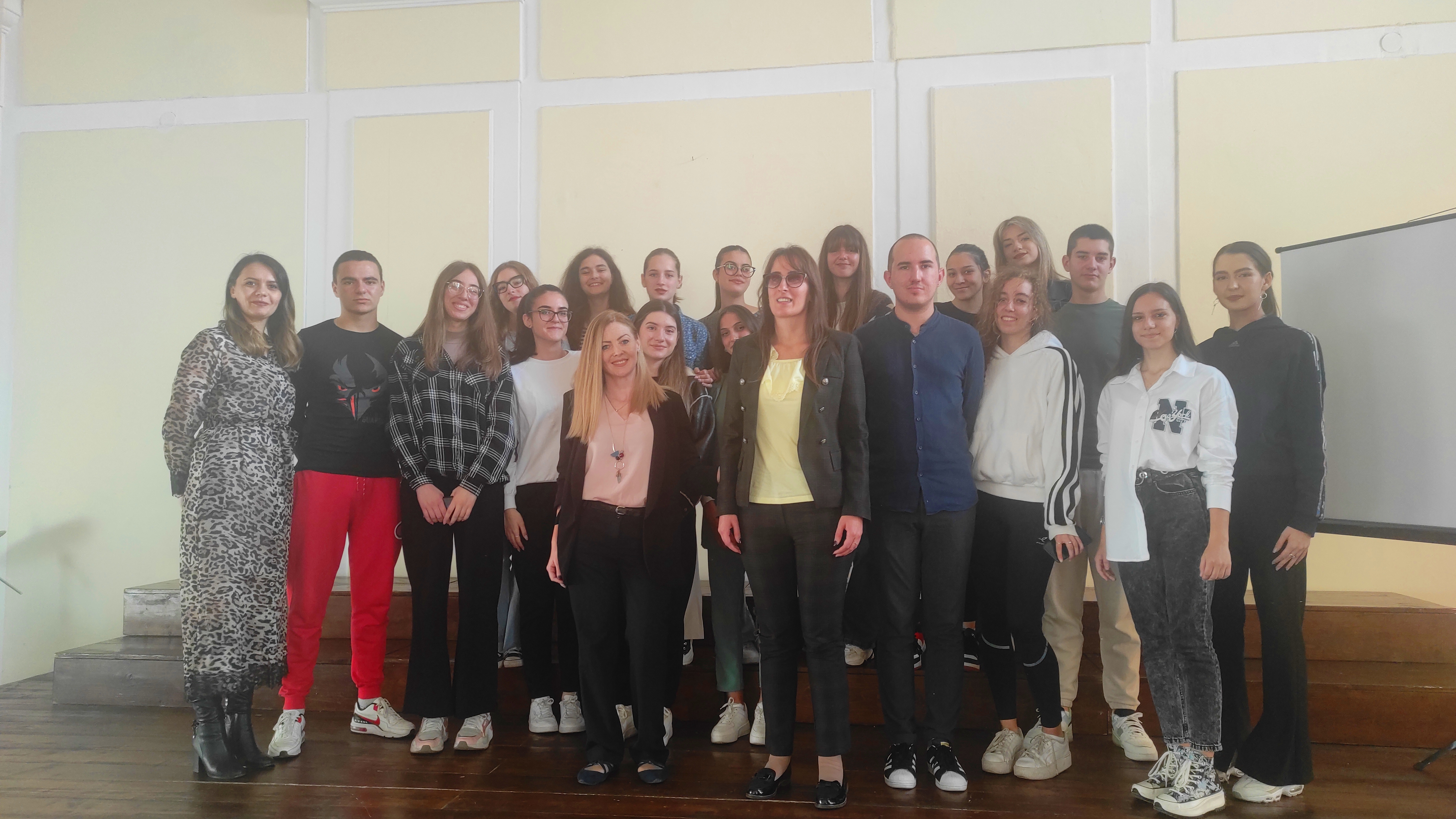
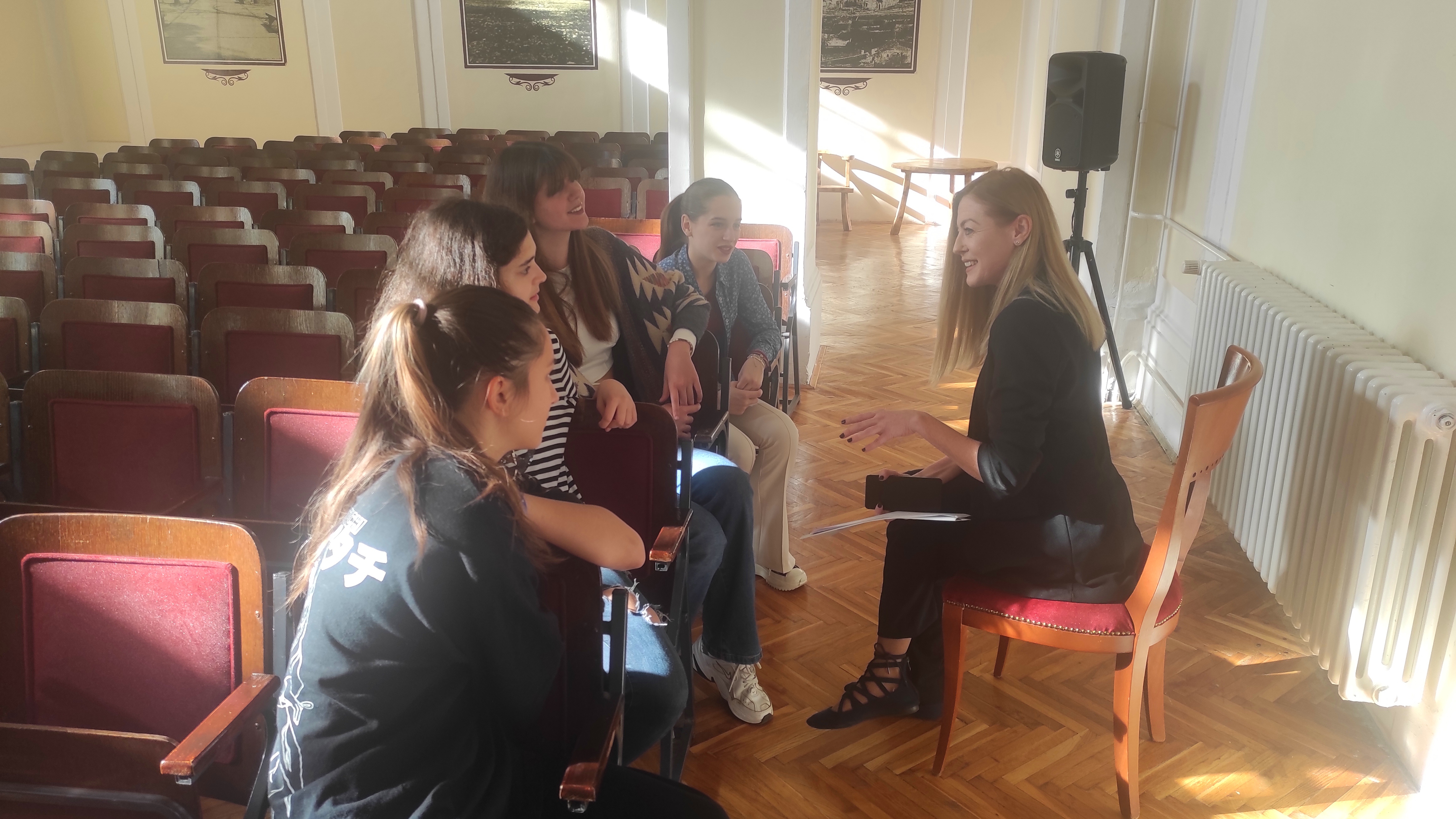
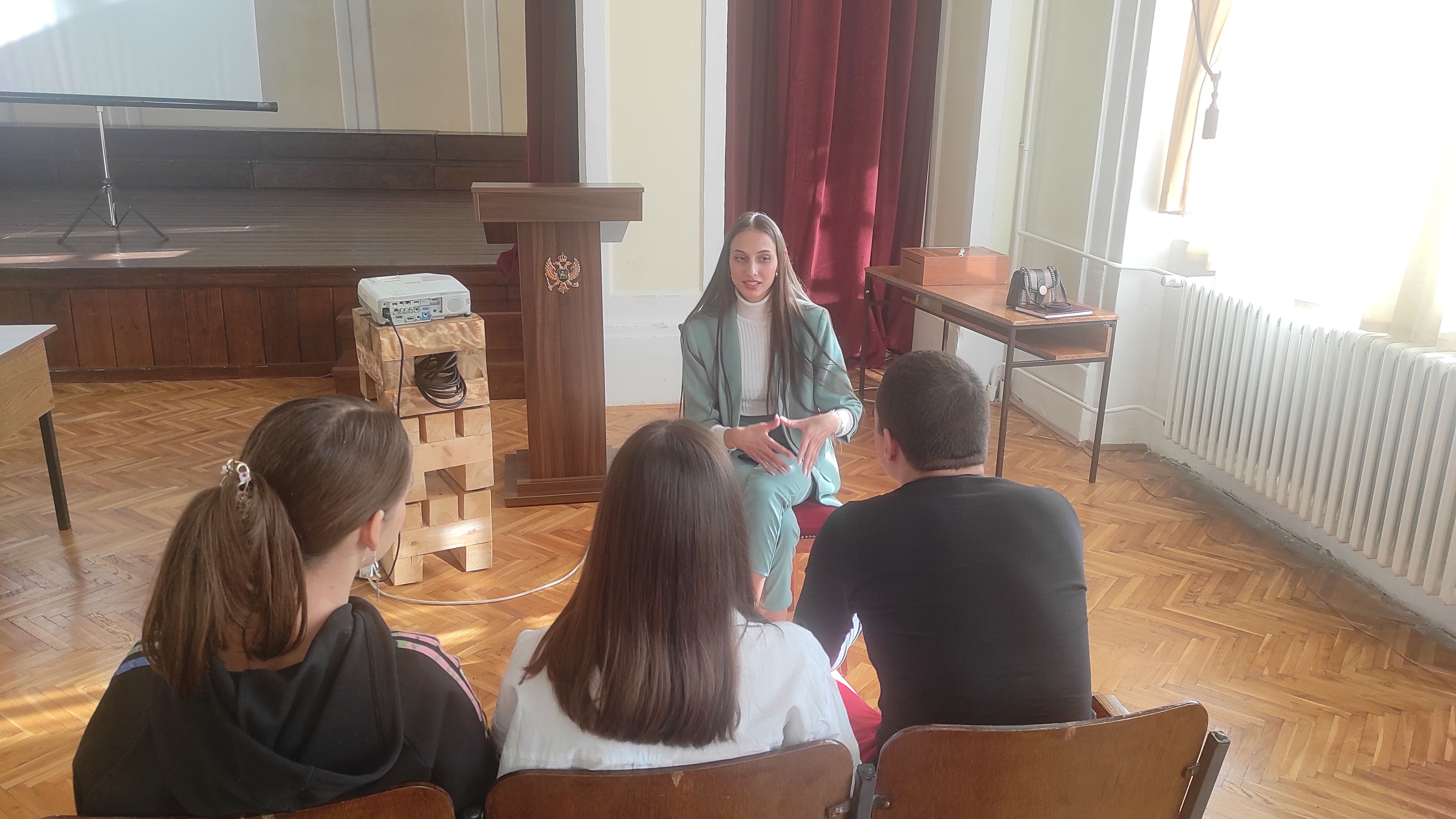
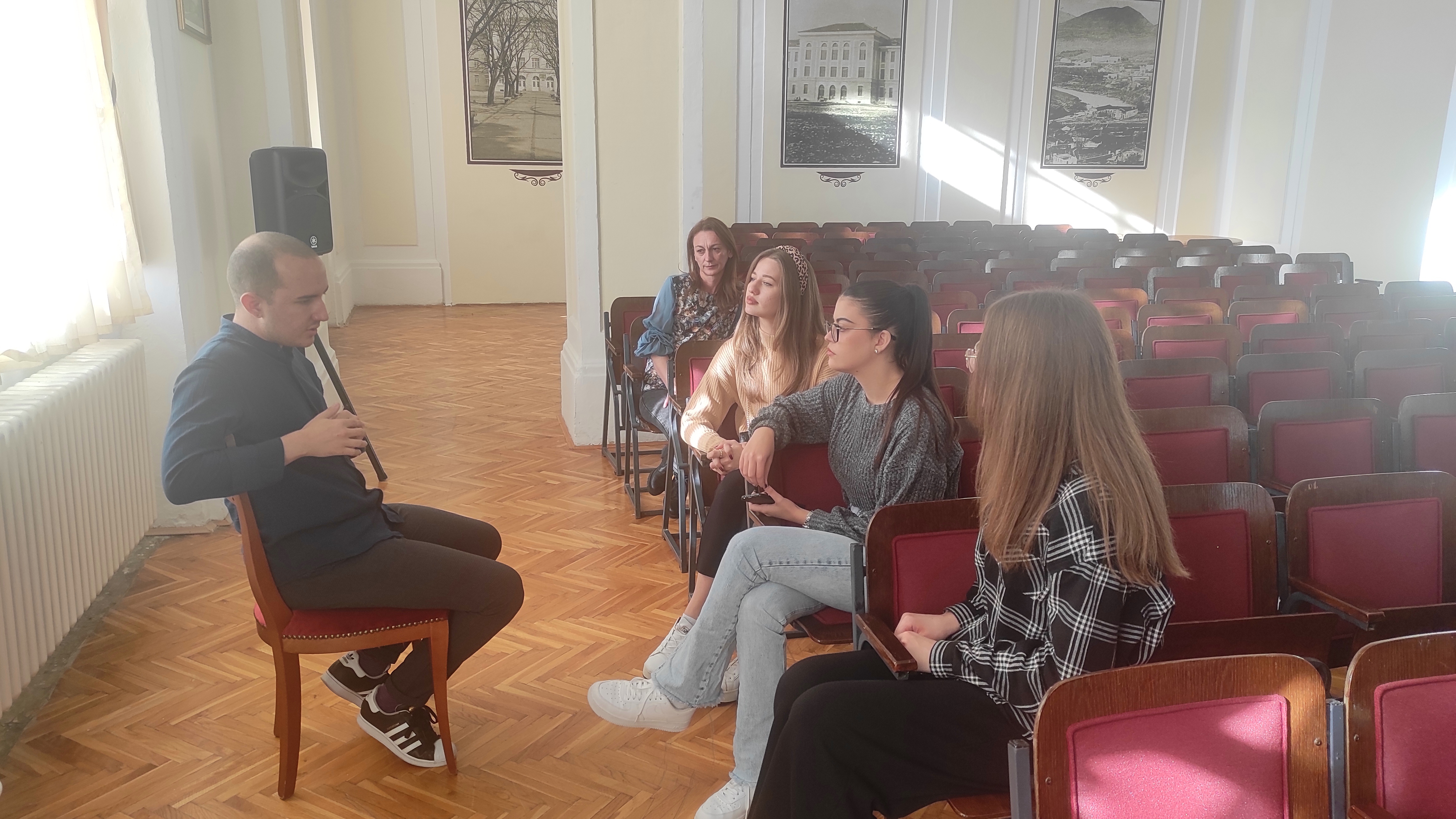
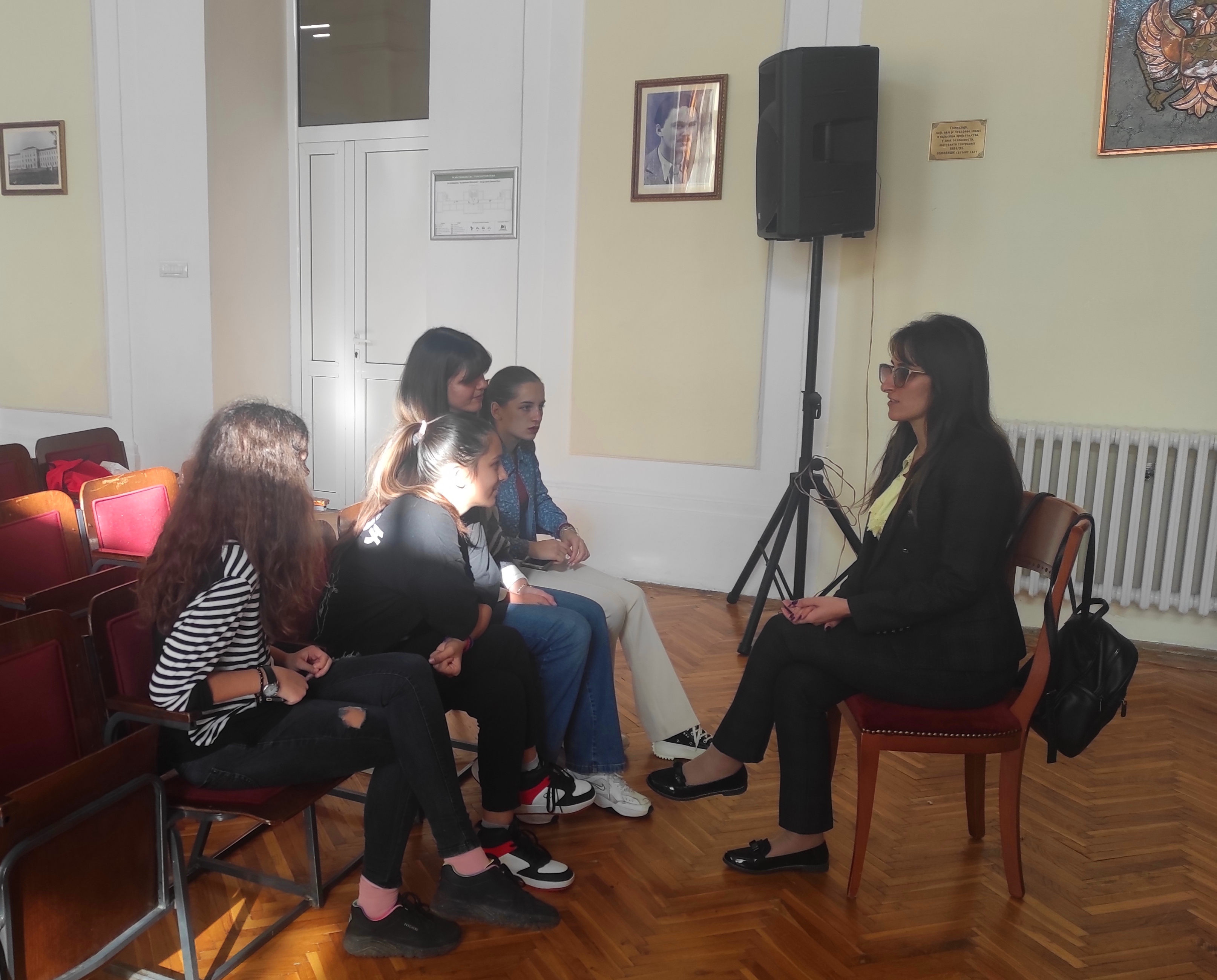
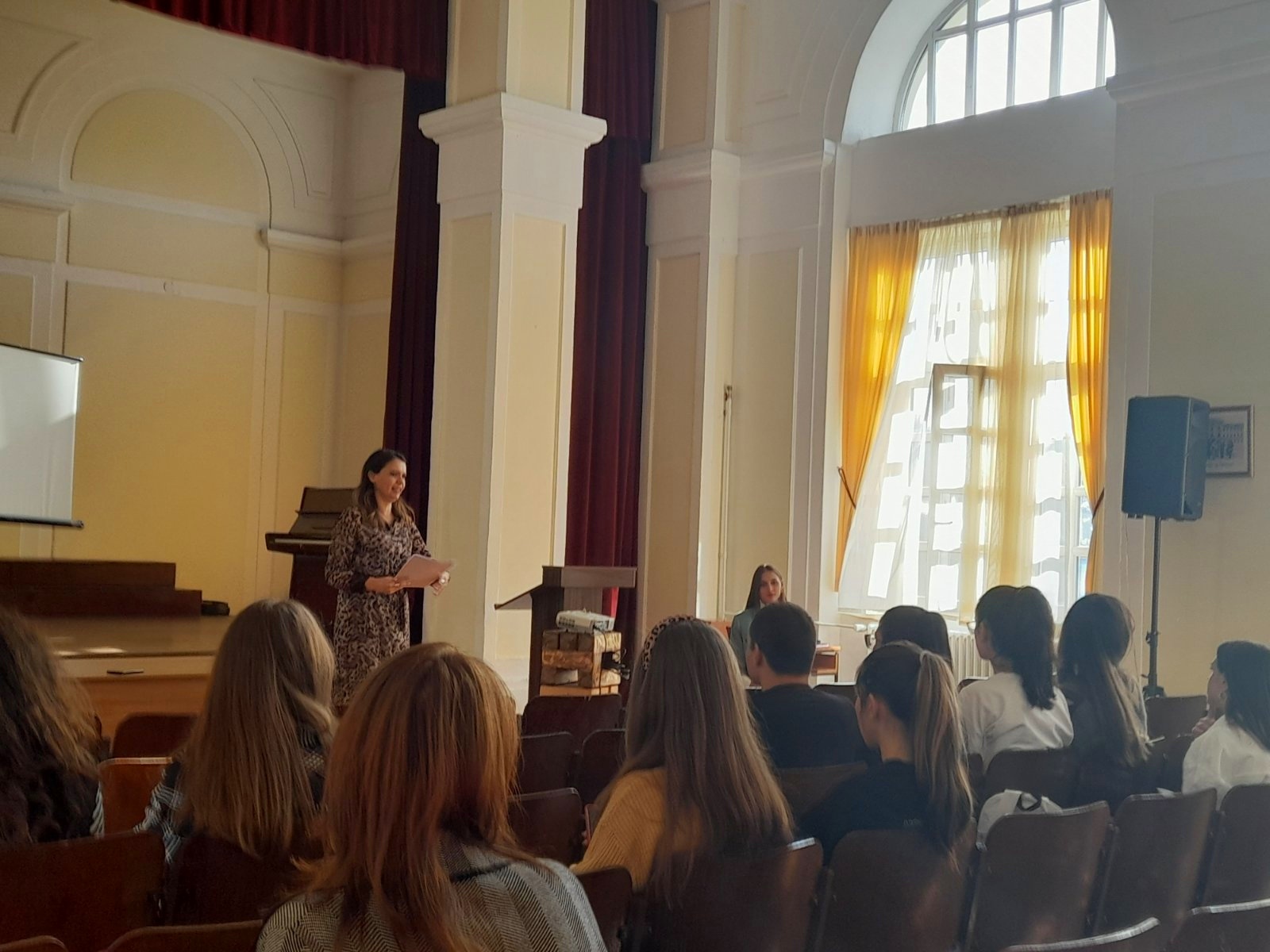
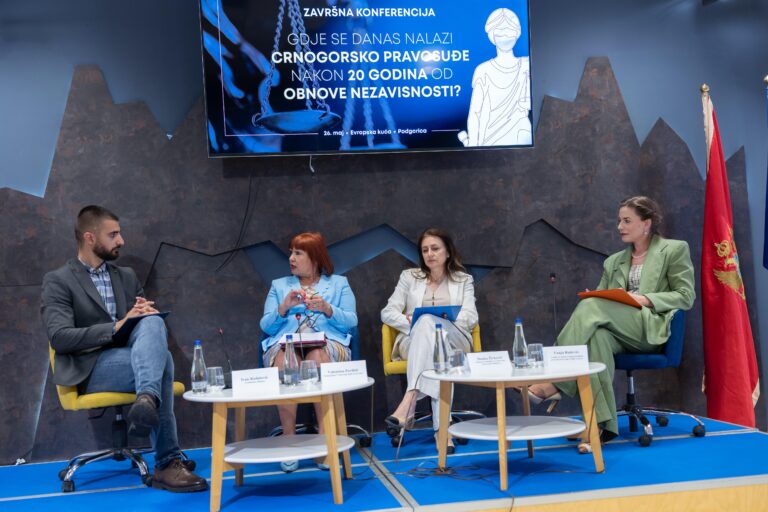
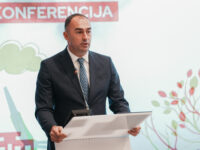
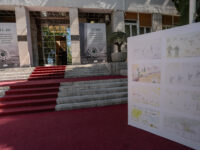
The students of Gymnasium “Slobodan Škerović” talked with “living books” in the “living library” yesterday.
“Living books” were four representatives of vulnerable groups in Montenegro who introduced themselves to these young people, explained to them how they live and work, and what difficulties they face in everyday life. The great interest of young people in learning more about our “living books” and their many questions added to the quality of our living library and inspired good atmosphere.
In this way, we tried our best to increase the understanding of hate speech amongst young people, especially towards vulnerable groups, as well as the importance of anti-discrimination policies of diversity and tolerance. What is important is that these students will pass on their experience to their peers, and try to apply in their daily actions the new knowledge they have acquired and influence both their friends and the entire society in terms of reducing discrimination, intolerance and hate speech.
We would like to thank the management and staff of the “Slobodan Škerović” Gymnasium for their hospitality and excellent cooperation, as well as for recognizing the importance of this activity.
The living library was organized as part of the “Youth in the fight against hate speech” project, implemented by the Civic Alliance with the support of the Council of Europe.